Adi fanera, xam taxta lövhələr və ya standart xalçalar kimi köhnə üsul döşəmə variantları pis hava şəraiti yarananda ciddi problemlər yarada bilər. Keçən il Ponemon İnstitutu tərəfindən nəşr olunmuş araşdırmaya görə, heç bir qoruyucu təbəqəsi olmayan taxta döşəmələr yağışdan islanandan sonra təxminən iki gün ərzində əyilməyə və burulmağa başlayır. Xalçalar isə nəm saxlama baxımından daha pisdir; testlər göstərir ki, güclü fırtınalar zamanı onlar hər kvadrat yarda təxminən 1,4 gallon su udur. Bu ənənəvi seçimləri belə problemli edən şey — yeni döşəmə texnologiyaları tərəfindən daxil edilmiş xüsusi sukeçirməz təbəqələrin tam olaraq olmamasıdır. Belə qoruma olmadan vaxt keçdikcə müxtəlif problemlər yaranır: şişmiş taxtalar, taxtalar arasına zəhərli küflər koloniyası əmələ gəlir və nəticədə bütün sahələr sabitliyini itirir və üzərində gəzmək təhlükəli olur.
Büdcəli portativ döşəmələr hava şəraitinə məruz qaldıqda fəlakətli şəkildə xarab olur:
Sənaye təhlili göstərir ki, portativ döşəmələr üzrə zəmanət iddialarının 63%-i bükülmüş birləşdiricilər və yükgötürən qovşaqların keyfiyyətinin itirilməsi kimi hava şəraitinə bağlı arızalardan irəli gəlir.
Səhər soyuq damcılarla başlayıb gündüz istiliyi ilə davam edən qarışıq şərait portativ ümumi döşəmələrin kritik çatışmazlıqlarını ortaya çıxarır. Tədqiqatlar göstərir:
| Material | Nəm udma sürəti | İstilik Genbəlmə Həddi |
|---|---|---|
| Standart PVC | saatda 1,8% | 10°F dəyişiklikdə 0,12% |
| Kompozit | saatda 0,3% | 10°F dəyişiklikdə 0,04% |
Bu məlumatlar vinil plitələrin dəyişən hava şəraitində baş verən hadisələrin 95%-də formasını saxladığını, ucuz plastiklərin isə yalnız 78%-də saxladığını izah edir (2024-cü il Hadisə Zəminləri Hesabatı). Doğru qarmaq mexanizmləri sahə testlərində dəyişən şəraitdə hava şəraitinə bağlı sürüşməni 40% azaltdı.
Bu gün portativ tədbir döşəmələri, proqnozlaşdırılmayan hava şəraitinə qarşı daha yaxşı müqavimət göstərən xüsusi olaraq hazırlanmış materiallardan istifadə edir. Vinil, suyu təbii olaraq itələdiyinə görə əksər açıq havada keçirilən tədbirlər üçün ən çox seçilən materialdır. Bəzi araşdırmalara görə, bu vinil döşəmələr xaricdə yağış yağsa belə, təxminən %99 suyu bloklaya bilir. Bundan əlavə, köhnə plastik və ağac liflərindən hazırlanmış kompozit plitələr də mövcuddur. Onlar adi təzyiq altında emal edilmiş taxtaya nisbətən küfə qarşı daha yaxşı müqavimət göstərir. Bununla belə, bir çox insan stilləri müxtəlif üslublarla uyğunlaşdıra biləcəyi və görünüşündən zövq aldığını deyərək emal edilmiş taxta ilə qalır. Bunun mənfi cəhəti nədir? Bu taxta döşəmələr uzun müddət ıslanmadan və zədələnmədən qorunması üçün hər mövsüm bir dəfə lakin qaplanmalıdır.
| Material | Su sızdırmama dərəcəsi | UV Sabitliyi | Təmir Tələbləri |
|---|---|---|---|
| Vinil | Mükəmməl | Orta | Aşağı |
| Kompozit | Mükəmməl | Yüksək | Minimal |
| İşlənmiş Taxta | Orta | Aşağı | Yüksək |
2024-cü il Hava Şəraitinə Davamlı Döşəmə Hesabatına görə, kompozit materiallar peşəkar tədbir icarələrinin %62-ni təşkil edir, çünki onlar tarazlıq yaratmış performans göstərir.
Vinil döşəmə su tökmələrini yaxşı qəbul edir, lakin vaxt keçdikcə davamlı möhkəmliyə gəldikdə kompozit plitələr həqiqətən fərqlənir. Üç il ərzində aparılan bəzi real dünya testləri göstərdi ki, kompozit döşəmələr bu qədər gəzinti və təsirlərdən sonra orijinal möhkəmliklərinin təxminən 94%-ni saxlayıb, halbuki adi vinil eyni şəraitdə yalnız təxminən 78% qazana bilib. Fərq ondadır ki, kompozitlər istilik dəyişikliklərindən burulmayı əngəlləmək üçün bir-birinə uyğun çoxlu təbəqələrdən hazırlanıb və bunu vinildən xeyli yaxşı edir. Temperatur 85 °F (29,4 °C) və yuxarı olduqda kompozit materiallar yalnız 0,2 mm qədər termiki genişlənir, halbuki vinil təxminən 1,1 mm qədər daha çox dalğalanma göstərir. Bu, döşəmənin mövsümlər boyu nə qədər düz və sabit qaldığını əhəmiyyətli dərəcədə təsir edir.
UV-ya davamlı örtüklərə malik portativ döşəmələr, xüsusilə çox miqdarda günəş işığı təsir etdiyi yerlərdə təxminən %40 daha uzun müddət dayanır. Bir çox aparıcı brendlər indi məhsullarına keramik topaçlar da əlavə edirlər. Bu kiçik əlavələr həqiqətən zərərli UV şüalarının təxminən %80-ni əks etdirir, beləliklə rənglər canlı qalır və səthlər zamanla qırılganlaşmır. İstilik dəyişikliklərinə davamlılıqla bağlı olaraq, kompozit plitələr adi vinil variantlarına nisbətən həqiqətən fərqlənir. Temperaturda hər 18 °F (10 °C) artım üçün yalnız təxminən %0,3 genişlənir, halbuki standart vinil bu göstəriciyə nisbətən təxminən üç dəfə çox — %0,9 genişlənir. Bu, temperatur dalğalanmalarının tez-tez baş verdiyi uzun müddətli açıq havada keçirilən tədbirlər zamanı böyük fərq yaradır və plitələr arasındakı boşluqların meydana gəlməsini önəmli dərəcədə azaldaraq, hər şeyin düzgün birləşdirilmiş və gözəl görünməsini təmin edir.
Ən son teksturlaşdırma üsulları, nəm olduqda sürtünməyə davamlılıq dərəcəsi təxminən 0,65 olan səthlər yaradır; bu göstərici əslində ADA standartlarının tələb etdiyindən artıqdır. Yuxarı səviyyəli istehsalçıların bu bir-birinə qoşulan plitə sistemləri millimetrlə ölçülən çox dəqiq drenaj kanalları ilə təchiz olunmuşdur və hər kvadrat fut sahədən saatda təxminən 1,2 gallon suyu uzaqlaşdıra bilir. Bazarğa çıxan bəzi çox maraqlı yeni məhsullar da var — suyun damcı şəklində toplanmasına və içəriyə sorulması əvəzinə səthdən sürüşüb getməsinə imkan verən xüsusi örtüklər. Testlər göstərir ki, bu emal edilmiş səthlər adi materiallarla müqayisədə təxminən iki dəfə az su udur; beləliklə, yağışdan və ya sıçramalardan sonra quru və təhlükəsiz qalma qabiliyyətləri çox daha yüksəkdir.
Xarici portativ tədbir zəminlərindən yaxşı nəticələr əldə etmək üçün davamlılıq və elastiklik arasında doğru balansı tapmaq lazımdır. Meyllər haqqında danışdıqda, suyun bir yerdə toplanmasını maneə törətmək üçün əksər mütəxəssislər meylləri 1–3 dərəcə aralığında saxlamağı tövsiyə edirlər. Bir-birinə qoşulan plitə sistemləri, səth tamamilə düz olmasa belə, yerində qalaraq, qeyri-bərabər torpaqda çox yaxşı işləyir. Materiallar haqqında danışdıqda, kompozit materiallar köhnə alternativləri əhəmiyyətli dərəcədə üstələyir. Bu UV-stabilizasiyalı polimer plitələr donma temperaturunun altına düşsə belə və ya temperatur üç rəqəmli qiymətlərə çatsa belə, öz formalını saxlayırlar. Adi ağac bu ekstrem şəraitə davam gətirə bilmir — testlər göstərir ki, eyni şəraitdə ağac təxminən 12% qədər burulur.
Keçən yay, sahil boyu keçirilən bir toy mərasimində həqiqi sınaq doğrudan da təbiətin onlara sürpriz bir fırtınası ilə gəldi. Təşkilatçılar, içərisində kiçik drenaj kanalları olan xüsusi qilitli vinil plitələr seçmişdilər. Göylər açılanda və bir saata yaxın müddətdə təxminən 2,5 düym (63,5 mm) yağış yağdığında, hər kəs nəfəsini tutdu. Lakin bu plitələr möcüzə etdi — suyun demək olar ki, hamısını çox qısa müddətdə çıxardı. Heç kim rəqs meydançasında süzülüb düşmədi və bütün mərasim yağışın şiddətinə baxmayaraq problem olmadan keçdi. Hər şey qurudandan sonra zəmin yoxlanıldı və heç bir zədə izinə rast gəlinmədi. Beləliklə, burulma və ya küf əmələ gəlməsi barədə heç bir işarə belə yox idi. Bu, adi müvəqqəti ağac zəminlərin belə bir suya batmasından sonra başa gətirə biləcəyi şey deyil. Çoxları bu zəminləri söküb tamamilə yenidən başlamağa məcbur olardı.
Yüksək günəş əks etdiriciliyi olan örtüklər səth temperaturunu standart portativ döşəmələrlə müqayisədə 35°F qədər azaldır ki, bu da iştirakçıların rahatlığını və materialların ömrünü artırır. Hava boşluğu izolyasiyası ilə təchiz edilmiş ikiqat təbəqəli dizaynlar istilik keçirilməsini daha da azaldır; bu, temperaturun 104°F-ə çatdığı 7 günlük bir festival zamanı sübut olunmuşdur — iştirakçıların isti döşəməyə dair şikayətləri tək təbəqəli quraşdırmalara nisbətən 81% azalmışdır.
Müasir bir-birinə qoşulan modulyar plitələr irəli səviyyəli material mühəndisliyi sayəsində kvadrat fut başına 500 funtdan artıq yükdaşıma qabiliyyətinə nail olur. 2024-cü ildə aparılan və hesablama modellemesi ilə fiziki yükləmə testlərini birləşdirən yükdaşıma qabiliyyəti analizi göstərdi ki, yüksək sıxlıqlı polietilen (HDPE) plitələri 72 saat ərzində davamlı olaraq 800 funt/ft² yükləmə altında struktur bütövlüyünü saxlaya bilir. Performansı təsir edən əsas amillər aşağıdakılardır:
| Material xassəsi | Yükdaşıma qabiliyyətinə təsiri |
|---|---|
| 1,5" qalınlıq | Ağır yük altında deformasiyanı azaldır |
| 30% Şüşə lifli polimer | Sərtliyi 40% artırır |
| Heksagonal Fayans Şəkli | Yükləri 6 ox üzrə paylayır |
Sənaye testləri, 7 günlük açıq havada keçirilən tədbirləri simulyasiya edir və suya davamlı modul döşəmənin 2 düym yağışa və 95°F temperatur dalğalanmalarına məruz qaldıqdan sonra yükgöndərmə qabiliyyətinin 98%-ni saxladığını göstərir. 24 saat ərzində nəmə məruz qaldıqdan sonra buruşan ənənəvi ağac platformalardan fərqli olaraq, birləşdirilən sistemlər 2023-cü ildə keçirilən musiqi festivalında 15 000-dən çox iştirakçı ilə birlikdə daimi 1200 lb/ft² yükgöndərmə qabiliyyətini nümayiş etdirdi.
Bəzi insanlar hələ də 25 funt kvadrat fut (sqft) yük tutan döşəmənin köhnə məktəb üsulunda 40 funt/sqft materiallarına qarşı davamlı ola bilməyəcəyini düşünürlər, lakin mühəndislik komandaları bu sahədə irəliləyiş əldə etmişlər. Onlar keçən il Polimer Mühəndisliyi sahəsində aparılan tədqiqatlara əsasən, adi alüminiuma nisbətən çəkiyə görə möhkəmliyi təxminən %63 artıran bu inkişaf etmiş polimer qarışıqlarını hazırlamışlar. Bununla belə, qeyd etməyə layiq bir mənfi cəhət də var. İynə kimi sivri topuklu ayaqqabılarla təsir edildikdə yüngül döşəmələr daha ağır versiyalara nisbətən təxminən %18 tez-tez çöküntülərə səbəb olur. Lakin istehsalçılar bu problemin həllinə yönələn həllər tapmışlar. İstehlakçıların test etdiklərindən sonra bildirdiyinə görə, yeni növ toxunma hissi verən döşəmə səthləri bu problemi olduqca azaldır və fərq təxminən %37-ə endirilir.
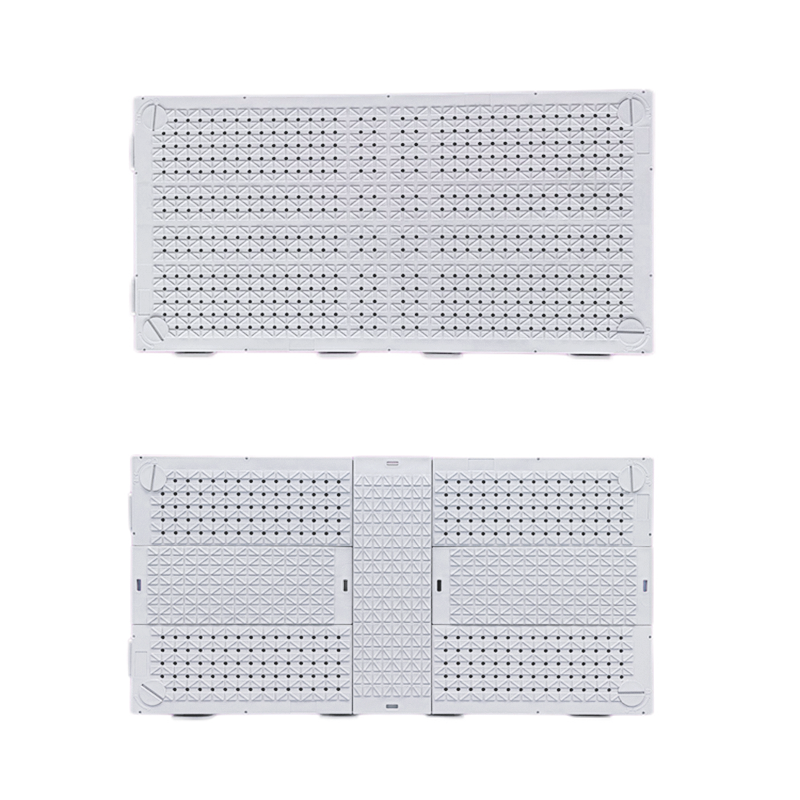
Bugünkü daşınan tədbir zəminləri, əsasən ömür boyu davam edəcək şəkildə hazırlanmış bu qilitli plitələrlə təchiz olunur. Polipropilen və ya rezin kompozitlər kimi möhkəm materiallardan hazırlanmışdır və dondurucu soyuqdan tutmuş qızdırıcı istiliyə qədər bütün hava şəraitinə davam gətirir. Həqiqi sirr isə bu ağıllı dil-çuxur birləşmələrində gizlidir; onlar kütləvi rəqs edərkən belə hər şeyi bir-birinə möhkəm birləşdirir. 2023-cü ilin «Xarici Tədbir Sahələrinin Təhlükəsizliyi Haqqında Son Hesabatına» görə, bu modulyar sistemlərin quraşdırılması köhnəlmiş taxta lövhələrin quraşdırılmasından təxminən üçdə ikisi qədər az vaxt alır. Və bunu bilin: keçən il müxtəlif tədbirlərdə 12 minə yaxın quraşdırma zamanı heç bir halda burulma problemi qeyd edilməmişdir.
Ən yüksək keyfiyyətli bütün hava şəraitləri üçün nəzərdə tutulan sistemlər, saatda hər kvadrat fut üçün təxminən 18–22 gallon suyu daşına bilən yeraltı drenaj kanallarına malikdir; bu da güclü yağış zamanı suyun birikməsini qarşısını alır. Drenaj sistemi, sürtünmə əmsalı 0,65–0,75 aralığında olan xüsusi olaraq hazırlanmış toxuma səthləri ilə birlikdə işləyir və nəmli səthlərdə insanlar üçün təhlükəsizliyi təmin edir. 2023-cü ildə ASTM International tərəfindən aparılan testlər göstərdi ki, bu sistemlər, minlərlə insanın elementlərə baxmayaraq toplaşdığı sahil boyu konsert və festivallarda, pis hava şəraitinə bağlı sürüşmə qəzalarını demək olar ki, 92 faiz azaldır.
Növbəti nəsil döşəmələr indi real vaxt metrikalarını izləyən IoT-ə qoşulmuş sensorları daxil edir:
| Metrik | Ölçmə Aralığı | Xəbərdarlıq həddi |
|---|---|---|
| Səth Nəmi | 0–100% Nisbi Rütubət | 30 dəqiqə ərzində 85% |
| Kafel Təzyiqi | 0–500 PSI | davamlı yükləmədə 400 PSI |
| Alt Döşəmə Stabilitesi | 0–5° meyl | 2° yan yerdəyişmə |
2024-cü ildə Tədbir Təhlükəsizliyi Jurnalı tədqiqat göstərmişdir ki, sensorla təchiz edilmiş döşəmələrdən istifadə edən tədbirlər sahəsində hava şəraiti ilə əlaqəli quraşdırma dəyişiklikləri 41% azaldılmış, yaranan risklərə reaksiya müddəti isə 88% sürətlənmişdir. Bu texnologiya torpaq şəraitinin qeyri-müəyyən şəkildə dəyişə biləcəyi çoxgünlük festivallarda xüsusilə vacibdir.
Fani və adi xalçalar kimi ənənəvi döşəmələr su udur və su keçirməyən qorunma qabiliyyətindən məhrum olduqları üçün nəmli olduqda bükülmüş döşəmələr, küf əmələ gəlməsi və sabitliyin itirilməsi kimi problemlər yaradır.
Müasir daşınan döşəmələr suya davamlı materiallardan – vinildən, emal olunmuş ağacdən və kompozitlərdən istifadə edir; onlar su keçirməyən xüsusiyyətə, UV-şüalara davamlılığa və sabitlik üçün bir-birinə qoşulan sistemlər kimi yeniliklərə malikdir.
Kompozit plitkalar, çoxtəbəqəli quruluşları səbəbilə hava dəyişiklikləri altında möhkəmliyini və formasını daha yaxşı saxlayır və vinilə nisbətən yaxşılaşdırılmış davamlılıq və minimal termal genişlənmə təmin edir.
Zəmin sistemlərinə daxil edilmiş ağıllı sensorlar rütubət səviyyəsini, plitkanın təzyiqini və alt zəminin sabitliyini izləyir və potensial risklərə operativ cavab vermək üçün real vaxtda xəbərdarlıqlar verir.
 Son xəbərlər
2026-09-30
2026-08-24
2026-08-10
2026-07-13
2026-07-10
2026-06-08
 EN
EN
 AR
AR
 FR
FR
 PT
PT RU
RU
 ES
ES
 BG
BG HR
HR
 CS
CS
 DA
DA
 NL
NL
 FI
FI DE
DE EL
EL
 HI
HI
 IT
IT JA
JA
 KO
KO
 NO
NO PL
PL RO
RO
 SV
SV
 CA
CA TL
TL
 ID
ID
 SR
SR
 SK
SK
 UK
UK VI
VI
 HU
HU
 TH
TH
 TR
TR
 MS
MS
 AZ
AZ
 KA
KA
 BN
BN
 LO
LO
 MN
MN
 MY
MY
 UZ
UZ


 EN
EN