 EN
EN
 AR
AR
 FR
FR
 PT
PT RU
RU
 ES
ES
 BG
BG HR
HR
 CS
CS
 DA
DA
 NL
NL
 FI
FI DE
DE EL
EL
 HI
HI
 IT
IT JA
JA
 KO
KO
 NO
NO PL
PL RO
RO
 SV
SV
 CA
CA TL
TL
 ID
ID
 SR
SR
 SK
SK
 UK
UK VI
VI
 HU
HU
 TH
TH
 TR
TR
 MS
MS
 AZ
AZ
 KA
KA
 BN
BN
 LO
LO
 MN
MN
 MY
MY
 UZ
UZ


 EN
EN
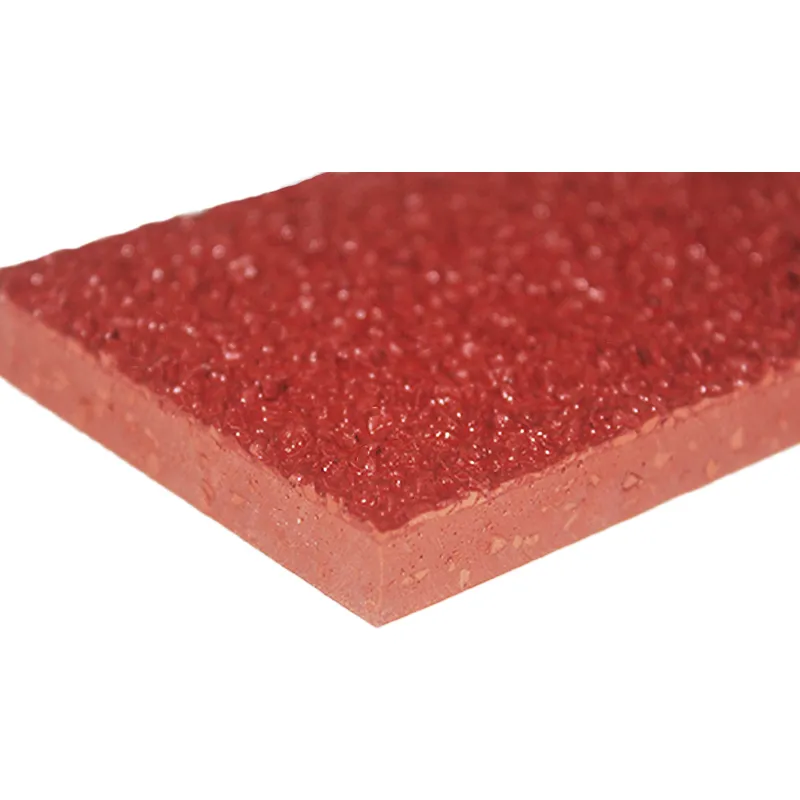
Училище, където пътеката се използваше всеки почивен час
Едно средно училище в Мидландс замени износената тревиста овална пътека с четирилентова атлетическа пътека с налята гумена повърхност. В рамките на един срок на площадката беше отчетена очевидна промяна: ученици, които никога не се включваха в клубове, започнаха да тичат по време на почивките, а отделът по физическо възпитание провеждаше фитнес-упражнения без да отменя часовете поради калното игрище.
Какво промени новата пътека
Атлетическата пътека стана най-използваното имущество на терена, а не просто лента за еднократно събитие като Деня на спорта. Персоналът приписа този ефект на повърхността, която премахна извинението за мокро време, тъй като лентите се отцеждаха за минути и оставаха използваеми през типичната британска зима. Обиколките по време на почивките се превърнаха в навик, а не в специално събитие.
Защо движението съответства на разписанието
Атлетическият пътека, разположена в близост до детския площадка, промени начина, по който училището използва движението. Кратките обиколки се побират в десетминутен промеждутък, затова учителите включват физическата активност между часовете вместо да чакат една седмична възможност. Бягането също е най-достъпната кардиоактивност, която едно училище може да предложи – за нея са необходими само спортни обувки. Следователно атлетическата пътека обслужва ученици, които никога няма да се запишат в платен клуб, а навикът, който се формира там, често продължава и в зряла възраст. Ако атлетическата пътека е разположена близо до детския площадка, тя се използва именно защото бариерата за започване е почти нулева за дете с десет минути свободно време.
Рискове, когато пътеката е второстепенна
Пътека, разположена прекалено далеч от сградите, се използва рядко, защото петминутната разходка изяжда целия почивен интервал. Повърхността, избрана единствено според цената, може да стане твърда при студено време и да увеличи ударното напрежение върху младите колена.
Грешки при избора на местоположение и повърхност
Лошата дренажна система превръща вътрешното игрище в зона, недостъпна през половината от годината. Атлетическият пътека, планирана без план за поддръжка, също избледнява, пуква и става опасност за препъване, която застрахователят в крайна сметка забелязва; в този момент активът струва повече, отколкото някога е спестявал в учебно време.
Стоимостта на пренебрегването на поддръжката
Училище, което третира атлетическата пътека като постоянно украсяване, а не като оборудване, подлежащо на график за поддръжка, я губи постепенно. Пукнатините се разширяват, маркировките се отлепват, а повърхността се затвърдява, докато учениците престанат да я използват. Тихият провал е намаляването на броя на активните деца, а не драматичен отказ, който някой забелязва в деня, в който се случи. Атлетическата пътека, която изглежда добре през септември, може да стане непривлекателна до пролетта, ако никой не я метне или не я провери. Проста рутинна процедура веднъж на срок поддържа лентите отворени и цветовете ярки — именно това всъщност насърчава използването ѝ. Училищата, които регистрират повърхността като оборудване, а не като декорация, получават значително повече години активни почивки от същия инсталиран брой метри.
Какво прави една училищна пътека функционална
Училищната атлетическа писта изисква повърхност, която да е благоприятна за ставите, ясни маркировки на лентите и ширина, позволяваща на цял клас да тича един до друг. Наливни гумени или полиуретанови системи по-добре абсорбират ударите в сравнение с голия асфалт, което предпазва ставите по време на растежните години.
Повърхност и дизайн на лентите
Атлетическата писта трябва да е свързана с полето, така че събитията на открито да споделят едно и също пространство. Правилният наклон и уклон отвеждат водата от повърхността, а контрастният цвят на лентите помага на по-бавните тичащи да запазят правилната си траектория, без да се отклоняват в по-бързото движение. Широчината, определена според най-големия клас, осигурява безопасността на всички едновременно. Добре проектираната училищна атлетическа писта има значително по-дълъг срок на експлоатация в сравнение с евтината — с години. Този продължителен живот се постига благодарение на основа, изградена според характеристиките на почвата, а не според каталог. Училищната атлетическа писта с измерени стойности за плъзгане и амортизиране е по-безопасна и при дъжд. Пистата, на която физкултурният екип има доверие, се използва ежедневно, което подпомага развитието на физическата форма, а добре поддържаната атлетическа писта оправдава инвестициите всяка учебна година.
Отводняване и ежедневно използване
Атлетическият пътека, която се отцежда бързо, остава отворена и по време на дъждовни периоди, когато вътрешното пространство е най-ограничено. Изборът на повърхността трябва да подчертава сцепление при дъжд, а не скорост при слънце, тъй като училищната пътека се използва всеки ден от хора с различни нива на подготовка, а не от обучени спринтьори, които преследват рекорд. Атлетическата пътека също подпомага часовете по физическо възпитание, които иначе биха се преместили в закрито помещение, така че програмата по физическо възпитание оцелява дори при прогноза, която преди това водеше до нейното отмятане. Училищната атлетическа пътека остава първото готово за използване пространство след дъжд, а тази надеждност позволява на персонала да планира седмицата около нея.
Стандарти, избор и грижа
EN 14877 обхваща синтетичните спортни повърхности за употреба на открито, докато насоките на World Athletics определят широчината на лентите, радиуса и маркировката. BS 7044 задава очакванията в Обединеното кралство за системите на пътеки, а EN 1176 се прилага там, където игровото оборудване е разположено близо до пътеката.
Определяне на безопасно строителство
Уточнете повърхност с документирана амортизация на удари и устойчивост към ултравиолетови лъчи, тъй като слънцето и мразът стареят пистата най-бързо. Попитайте за стойност на противоплъзгането, подходяща за влажен климат, и потвърдете, че линиите на пистата използват вграден цвят, а не боя, която се люспи. Атлетическата писта за училище трябва да бъде доставена заедно с график за поддръжка, в който са посочени метене, лечение срещу мъх и инспекция на пукнатини.
Използване и поддръжка на повърхността
Завъртете използването, за да не се износва само една лента, и забранете обувките с шипове, които оставят драскотини по гумата. Метете листата, преди да оставят петна, и третирайте водораслите веднага щом се появят. Лекоатлетическа писта, която се измива с маркуч след сезона на цветен прашец, остава по-светла и по-сцепляваща. Записвайте инспекциите всяка учебна година и правете снимки на пукнатините, за да се засича бавното повреждане още в началото. Доставчици като Flyon посочват класа на повърхността и стъпките за поддръжка за всяка система, което помага на обекта да установи реалистичен график за поддръжка още от първата седмица. Лекоатлетическа писта в училище, която се мети, измива с маркуч и фотографира всяка учебна година, остава безопасна и ярка години наред. Лекоатлетическата писта възнаграждава малко рутинно внимание с дълъг живот на ежедневна употреба, а тази рутина струва по-малко от една загубена учебна седмица. Засичането на малка пукнатина в ранен етап запазва лентата отворена и децата – в движение.
Често задавани въпроси
Въпрос: Колко широка трябва да е лекоатлетическата писта в училище?
Отговор: Училищната атлетическа писта обикновено има четири до шест ленти, всяка с ширина от 1,0 до 1,22 метра. Четирите ленти са подходящи за ежедневни уроци по физическо възпитание, докато шестте ленти поддържат междущолски състезания. Ширината също определя колко ученици могат да тичат безопасно един до друг, затова трябва да се планира за най-голямата класна група, която ще използва лентата едновременно по време на обичайния училищен ден.
Въпрос: Кой тип повърхност е най-безопасен за учениците от началното училище?
Отговор: Наливна гума или система от свързани гумени трески осигуряват най-меко кацане и най-добра амортизация за младите стави. Асфалтът и голият бетон са по-твърди и увеличават ударното натоварване. Училищната атлетическа писта за по-малките деца трябва да поставя преди всичко толерантността над скоростта, тъй като паданията са по-чести в тази възраст и имат по-голямо значение.
Въпрос: Колко дълго служи синтетична писта в училище?
Отговор: Добре изграден атлетически пътека с редовно поддържане обикновено служи от осем до дванадесет години, преди да се наложи ново покритие. Силното слънце, интензивното използване с гумирани обувки и пренебрегнатата дренажна система намаляват този срок. Тримесечните инспекции и незабавният ремонт на пукнатини защитават инвестициите и осигуряват безопасността на повърхността дори по време на най-натоварения период – ваканцията по време на изпитите.
Въпрос: Може ли една пътека да споделя пространството си с футболно игрище?
Отговор: Да, вътрешното поле на атлетическата пътека често се използва за тренировки по футбол, ръндърс или крикет. Изборът на повърхността трябва да отговаря на нуждите на всички тези спортове, затова най-добре се препоръчва комбинирана конструкция – гумирана пътека за бягане и отделно тревисто или изкуствено поле в центъра. Споделянето на пространството позволява една и съща територия да се използва за множество спортове, без училището да има нужда от допълнителна земя.
Въпрос: Какво поддържане е необходимо за училищна пътека на месечна база?
Отговор: Почиствайте отломките, почиствайте водосточните канали, третирайте мъха и проверявайте линиите на пистата всеки месец по време на учебния срок. Атлетическата писта също изисква писмена инспекция веднъж на срок с приложени снимки, за да се следят бавно развиващите се пукнатини. Бързото реагиране при появата на алги или петна от листа предотвратява хлъзгавите участъци, които причиняват най-много избягваеми падания на оживено място.
Въпрос: Струва ли си синтетичната писта за малки училища?
Отговор: За малко училище компактна атлетическа писта с четири ленти все пак се оправдава чрез ежедневната употреба, която запълва празнините, оставени от ограничения обем на спортните зали. Повърхността елиминира отменянето на часовете поради неблагоприятни метеорологични условия и подпомага кардиотренировките без необходимост от специално оборудване. Спечеленото време за уроци е ключовата икономия, а не просто наличието на фасилити, което изглежда впечатляващо по деня на откритите врати за посетителите.