 EN
EN
 AR
AR
 FR
FR
 PT
PT
 RU
RU
 ES
ES
 BG
BG
 HR
HR
 CS
CS
 DA
DA
 NL
NL
 FI
FI
 DE
DE
 EL
EL
 HI
HI
 IT
IT
 JA
JA
 KO
KO
 NO
NO
 PL
PL
 RO
RO
 SV
SV
 CA
CA
 TL
TL
 ID
ID
 SR
SR
 SK
SK
 UK
UK
 VI
VI
 HU
HU
 TH
TH
 TR
TR
 MS
MS
 AZ
AZ
 KA
KA
 BN
BN
 LO
LO
 MN
MN
 MY
MY
 UZ
UZ
 EN
EN
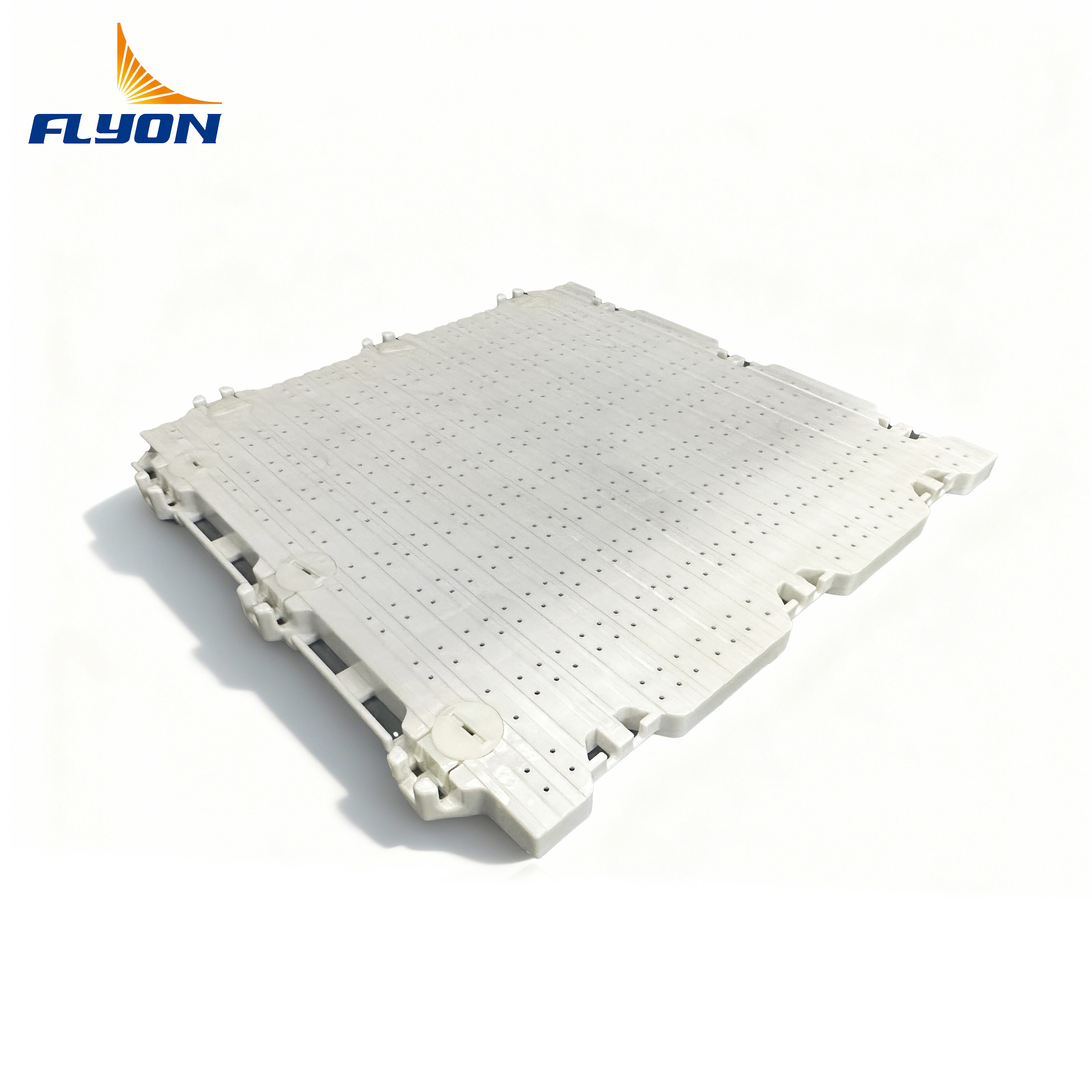
Why Portable Tent Flooring Is Essential for Event Professionals
When event planners try to turn open fields or parks into usable event spaces, they run into some pretty big problems. The ground itself is at risk without good tent flooring solutions. Foot traffic, heavy equipment rolling around, plus rain and sun beating down on it all can really mess things up. One bad day at an event site might leave behind compacted soil, ruined grass roots, and nasty mud patches everywhere. And guess what? Fixing this kind of damage costs around fifteen grand on average, based on what folks in the industry have reported. But there's another side to this too. Portable flooring isn't just good for protecting nature; it makes sure everyone can walk safely across the venue. No more stumbling over bumps or tripping on uneven spots during performances or dinner service.
Looking at how these systems perform on site tells another story. Modular floors go up about 70 percent quicker compared to standard options, which means venues can switch from one event to another much faster. The way they lock together keeps everything stable even on uneven terrain or muddy spots, and they handle weight pretty well too – over 500 pounds per square foot. That kind of strength matters when setting up big stage rigs or lighting equipment. Most companies care about this stuff. A recent survey found that nearly nine out of ten businesses listed having good quality ground surfaces as one of their main concerns when choosing where to host an event. And let's face it, nobody wants to deal with canceled events because rain soaked through the floor during setup. Non porous panels stop water from getting underneath, so shows can still happen despite Mother Nature throwing a tantrum.
Portable flooring turns what could be a headache into something valuable. More event spaces now require some kind of ground protection just to get approved for permits, and people attending events want to walk around without getting stuck in mud or tracking dirt everywhere. The fact that these floors come in modules means we can adjust coverage exactly where needed when tents need expanding or layouts change on short notice something traditional fixed installations simply cannot do. These systems save money in several ways too. They stop damage to surfaces which would otherwise cost thousands to fix later, plus they speed up setup and breakdown times so crews spend less time working overtime. Event organizers see real returns from this investment month after month.
Top Portable Tent Flooring Systems: Performance, Terrain & Load-Bearing Trade-Offs
Interlocking plastic tiles: Lightweight, grass-friendly, and fast to deploy
Ideal for quick installations on delicate terrain, interlocking plastic tiles minimize ground pressure while protecting grass. Their modular design enables rapid deploymentâa 1,000 sq ft area installs in under 2 hours. Key advantages include:
- Ultra-light panels (1.5 lbs/sq ft) reducing labor by 40% versus traditional options
- Permeable bases allowing air and water flow to prevent turf damage
- UV-stabilized surfaces maintaining slip resistance during extended outdoor use
These systems excel at festivals or wedding receptions where preserving lawns is critical. However, their moderate load capacity (300 lbs/sq ft) suits pedestrian traffic best.
Rubber and foam composite tiles: Cushioning, noise control, and uneven-ground adaptability
For events requiring noise reduction and enhanced comfort, rubber-foam composites absorb sound by up to 70% while adapting to irregular surfaces. Their layered construction:
- Compensates for ground variations up to 3" through flexible joints
- Provides ergonomic cushioning, reducing attendee fatigue during prolonged standing
- Supports heavy equipment (500+ lbs/sq ft), including staging and food service stations
A 2023 Venue Safety Study showed these tiles reduce trip hazards by 65% on slopes. Though heavier than plastic alternatives, their vibration-dampening properties make them ideal for concert stages or corporate galas.
Real-World Impact: Turf Protection, Cost Savings, and Client Satisfaction
Case study: Zero turf damage at a 5,000-person festival on sensitive parkland
Event organizers who used modular tent flooring at a big music festival held on protected grasslands saw amazing results. The floor was made of interlocking tiles that spread out the weight so it didn't crush the roots underneath, plus water could still drain through naturally. After the event was over, people checked the area and found no damage whatsoever to the native grasses. That's really important because it helps keep the park's special conservation status intact. Using this system saved money on expensive repairs later on and kept the venue available for future events too. Festival organizers actually reported that clients were much happier overall, clocking in at around 42% better satisfaction ratings than when they used regular mats before.
Data insight: 92% average reduction in post-event ground remediation costs
Portable flooring delivers measurable financial benefits beyond surface protection. Industry analysis shows venues using engineered tile systems reduce ground remediation expenses by 92% on average. For context:
- Traditional turf repair after heavy events costs $7,000â$23,000 annually per acre
- Modular solutions eliminate reseeding and soil-aeration needs
- Reusable systems offer 10+ year lifespans, slashing long-term capital outlays
This operational efficiency directly boosts profitability while meeting rising client demands for sustainable event execution.
Whatâs Next for Tent Flooring: Sustainability, Smart Modularity, and Installation Efficiency
Eco-engineered tiles: High-recycled-content composites with biodegradable underlayment
Tent flooring is getting an eco-friendly makeover these days. Manufacturers are making tiles from stuff like old plastic bottles and rubber scraps mixed together into something surprisingly tough. The cool part? These new materials can hold just as much weight as regular ones but send way less trash to landfills. Some companies have even started using jute or cork underneath their tents. When the event ends, those natural materials just break down on their own instead of leaving behind synthetic junk that sticks around forever, especially important when setting up near parks or nature reserves. Setup has gotten faster too thanks to snap-together designs that cut down on installation time by about a third compared to older methods. Event planners love this green angle because clients want sustainability now more than ever, plus it saves money later when cleaning up after the party. More and more rental companies are jumping on board with modular setups and environmentally conscious design becoming standard practice across the temporary venue business.
FAQ
What are the benefits of using portable tent flooring for events?
Portable tent flooring protects the ground, enhances safety for attendees, speeds up setup and breakdown times, and can adapt to various event sizes and locations.
How do interlocking plastic tiles contribute to event setups?
Interlocking plastic tiles are lightweight, quickly deployable, protect grass, and are ideal for pedestrian traffic, making them perfect for events like festivals and weddings.
Are there eco-friendly options for tent flooring?
Yes, manufacturers are developing eco-friendly tent flooring using recycled materials and biodegradable underlayments that reduce environmental impact.
Table of Contents
- Why Portable Tent Flooring Is Essential for Event Professionals
- Top Portable Tent Flooring Systems: Performance, Terrain & Load-Bearing Trade-Offs
- Real-World Impact: Turf Protection, Cost Savings, and Client Satisfaction
- What’s Next for Tent Flooring: Sustainability, Smart Modularity, and Installation Efficiency
- FAQ