 EN
EN
 AR
AR
 FR
FR
 PT
PT
 RU
RU
 ES
ES
 BG
BG
 HR
HR
 CS
CS
 DA
DA
 NL
NL
 FI
FI
 DE
DE
 EL
EL
 HI
HI
 IT
IT
 JA
JA
 KO
KO
 NO
NO
 PL
PL
 RO
RO
 SV
SV
 CA
CA
 TL
TL
 ID
ID
 SR
SR
 SK
SK
 UK
UK
 VI
VI
 HU
HU
 TH
TH
 TR
TR
 MS
MS
 AZ
AZ
 KA
KA
 BN
BN
 LO
LO
 MN
MN
 MY
MY
 UZ
UZ


 EN
EN
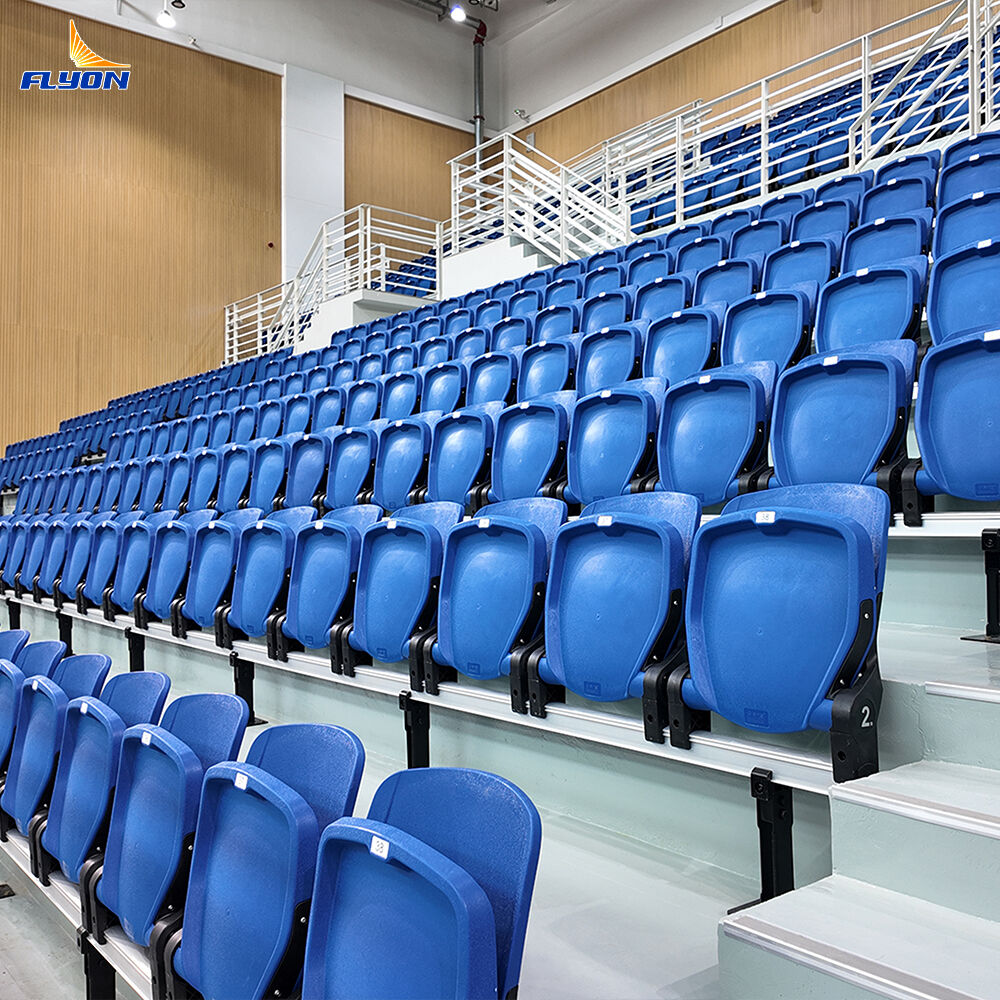
Látóvonal- és térbeli mérnöki megoldások stadionszékekhez
A jó stadiontervezés lényege tulajdonképpen a megfelelő látóvonalak kialakítása és a tér elrendezésének meghatározása. Ami az építészek számára a „C-érték” néven ismert, lényegében azt a függőleges távolságot méri, amely egy ülő személy szemmagasságától a közvetlenül előtte levő, kilátását akadályozó elemig (pl. előtte ülő személy feje) tart. Nagy stadionokban – 50 000-nél több ülőhellyel – a szakértők általában azt javasolják, hogy ezt a távolságot soronként legalább 120 milliméterre állítsák be, így a nézők zavartalanul láthatják a mérkőzést. Kisebb létesítmények esetében 90–110 mm közötti érték általában jól működik. Ne felejtsük el azonban a pálya alakját sem – ennek szintén óriási hatása van arra, hogy a nézők milyen élményt élnek meg a sportesemények élő megtekintésekor.
C-érték számítások és sorok távolsága a helyszín méretétől függően
A gondosan kiszámított függőleges emelkedés soronként (lépcsőmagasság) kiegyensúlyozza a láthatósági szögeket a szerkezeti korlátozásokkal. A futballstadionok – amelyek hosszúkás pályával rendelkeznek – általában sekélyebb szinteket (22–28°-os dőlésszög) alkalmaznak, hogy megőrizzék a széles látószögeket. Ellentétben ezzel a kompakt kosárlabdapályák meredekebb lejtést (30–35°) tesznek lehetővé, ami 15–20%-kal csökkenti az átlagos sorok mélységét anélkül, hogy a kényelmet veszélyeztetné.
Sportág-specifikus geometria: Hogyan változnak a láthatósági szögek futball-, kosárlabda- és atlétikai helyszíneken
Az atlétikai versenyhelyszínek sugárirányú szintelrendezést igényelnek a peremközpontú események miatt, így a vízszintes látószögkúp 12–18°-ra szűkül. A téglalap alakú kosárlabdapályák központi játékterületre összpontosított láthatóságot részesítenek előnytől, lehetővé téve a szélesebb 25–30°-os látószögeket, amelyekkel a szurkolók 90%-a 120 méteres távolságon belül helyezkedik el a történésekhez – ez a mutató összefüggésbe hozható a magasabb szurkolói bevonódással, amit a szakmai szakcikk-ellenőrzött szurkolói viselkedéstudományi tanulmányok is megerősítenek.
Márkaintegráció és a stadionszékek pszichológiai hatása
Színstratégia: A színárnyalat, a kontraszt és a felületi minőség összehangolása a helyszín identitásával
A stadionszékek színválasztása nagy hatással van arra, hogyan érzik magukat a rajongók a mérkőzések alatt, és milyen benyomást tesznek a márkára összességében. A legtöbb sportlétesítmény olyan színeket választ, amelyek illeszkednek a csapat megjelenéséhez: a sötétkék gyakran a professzionalizmust jelzi, a vörös pedig energiát visz a közönségbe. A székek és környezetük többi eleme közötti színkülönbségnek elég erősnek kell lennie – például kb. 4,5-ször intenzívebbnek –, hogy a nézők ténylegesen lássák, hol ülnek, amikor az események idején lecsökkentik a világítást. A kültéri stadionok általában matt polipropilén anyagot használnak, mivel ez kevesebbet tükrözi a napfényt, míg a fedett arénák inkább fényes felületet részesítenek előnyben, mert az élénkebbé teszi a színeket. Egy tavalyi, a Rajongói Élményről készült jelentés szerint a létesítmény egészében egységes színvilág alkalmazása körülbelül egyharmaddal növelte a látogatók által adott minőségi értékelést. Olyan területeken, ahol sokan ismételten ülnek le, a texturált anyag jobban elrejti a folyadékfoltokat, mint a sima felületek. A büfék közelében azonban a legtöbb hely vinilból készült székeket választ, mivel ezeket könnyű letisztítani a koszos étkezés után.
Logó elhelyezési tudomány: optimális láthatósági zónák és szintezett márkakitérítés
A logók pontos elhelyezése a stadionszékekön valójában értékes márkahelyekké alakítja azokat, ha figyelembe vesszük, hová irányulnak az emberek tekintetei. A legjobb helyek a maximális hatás eléréséhez általában a támlák felső harmadának területén találhatók, kb. 60–90 cm-rel attól a magasságtól, ahonnan egy személy általában ránéz. Ez a pozícionálás kiválóan működik a televíziós kamerák számára, amelyek a sporteseményt rögzítik. A karfogantyúk is kitűnő másodlagos helyek, mivel az ott ülők jól láthatják őket nyakuk megfeszítése nélkül. A fő szponzorok kapják a prémium középső járaton elhelyezett székeket – ez a legértékesebb „ingatlan”, míg a szélek másodlagos márkákat fogadnak. Kutatások szerint a logók, amelyek kb. 30 fokos szögben esnek valaki közvetlen látóterébe, 78%-os valószínűséggel maradnak meg az emlékezetben, míg a perifériás látótérben észlelt elemek esetében ez az arány csupán 42%. Ami az alkalmazási módszereket illeti, a kb. 12 szál/milliméteres hímzés biztosítja a minták olvashatóságát akár egy fél focipálya távolságból is. Rövidebb távú igények esetén a hőátadásos nyomtatás gyors megoldást kínál, míg a szublimációs nyomtatás tartós, színálló jelöléseket hoz létre, amelyek idővel nem halványodnak el.
Ergonómiai teljesítmény és szerkezeti integritás egyedi stadionszékekben
Amikor stadionülésekkel van dolgunk, a jó ergonómia minden különbséget jelent azok számára a rajongók számára, akik hosszú mérkőzések alatt is kényelmesen szeretnének maradni. A megfelelő deréktámasz segít fenntartani a gerinc természetes helyzetét, ami különösen fontos azok számára, akik órákon át mozdulatlanul ülnek. A speciális üléspárnák egyenletesen elosztják a testsúlyt, így elkerülhető a nyomás lokális felhalmozódása egy-egy testrészben. Egyes sportlétesítményekből származó tanulmányok szerint ez a megoldás akár 34%-kal is csökkentheti az izmok és a csontok fájdalmát az ilyen maratonmérkőzések alatt. Fontos szerepet játszik az üléspárnák vállakhoz igazított formája is, valamint a háttámla pontos dőlésszöge. Ezek a funkciók segítenek megelőzni a nyakfájdalmat, amely korábban gyakran arra kényszerítette a nézőket, hogy még a mérkőzés vége előtt elhagyják ülőhelyüket.
A szerkezeti ellenállóképesség biztosítja a biztonságot és hosszú élettartamot az intenzív környezeti igénybevételek mellett. A megerősített polimer keretek 300 psi-nél nagyobb ütésállósággal rendelkeznek; a korrózióálló ötvözetek ellenállnak az időjárás hatásainak. A kritikus terhelés alatti csatlakozások többtengelyes csavarozási mintát alkalmaznak, amelyet 50 000 feletti működési ciklusra teszteltek. Az alábbiakban összehasonlítjuk a kulcsfontosságú szerkezeti jellemzőket:
| Teljesítménymutató | Ipari szabvány | Fejlett egyedi megoldás |
|---|---|---|
| Teherbírás | 250 lbs | 400 font |
| UV ellenállás | 5 év élettartam | 15 éves garancia |
| Reprezzentáló rezgés | 30%-os csökkenés | 68%-os csökkenés |
A tartósság a felhasznált anyagokon túl is kiterjed az intelligens mérnöki megoldásokra: a nedvességet elvezető anyagok gátolják a mikrobiális növekedést, és a moduláris alkatrészek lehetővé teszik a gyors, esemény utáni karbantartást. Az ergonómiai pontosság és az ipari minőségű építés szintézise olyan stadionszékeket eredményez, amelyek nemcsak a nézők biztonságát emelik, hanem évtizedekre biztosítják a rendezvényhelyszín működési hatékonyságát.
Gyakran Ismételt Kérdések
Mi a „C-érték” a stadiontervezésben?
A „C-érték” a függőleges távolságot méri egy ülőhely és előtte esetlegesen elhelyezkedő kilátást akadályozó elem között, így biztosítva a nézők akadálytalan kilátását.
Miért fontos a színstratégia a stadionszékek esetében?
A színek befolyásolják a szurkolók élményét és a márkakép megítélését; a stratégiai színválasztás javítja a láthatóságot, és hozzájárul a rendezvényhely személyiségének kialakításához.
Hogyan járulnak hozzá a stadionszékek az ergonómiai teljesítményhez?
Az ergonómiai szempontból tervezett székek ágyék- és deréktámaszt nyújtanak, egyenletesen elosztják a test súlyát, és kényelmes szögben vannak elhelyezve, csökkentve ezzel az izmok és a csontok fájdalmát hosszú ideig tartó mérkőzések alatt.
Milyen anyagokat használnak egyedi stadionszékek gyártására?
Az erősített polimerek, a korrózióálló ötvözetek és a nedvességet elvezető anyagok biztosítják a tartósságot, a biztonságot és az egyszerű karbantartást.