 EN
EN
 AR
AR
 FR
FR
 PT
PT
 RU
RU
 ES
ES
 BG
BG
 HR
HR
 CS
CS
 DA
DA
 NL
NL
 FI
FI
 DE
DE
 EL
EL
 HI
HI
 IT
IT
 JA
JA
 KO
KO
 NO
NO
 PL
PL
 RO
RO
 SV
SV
 CA
CA
 TL
TL
 ID
ID
 SR
SR
 SK
SK
 UK
UK
 VI
VI
 HU
HU
 TH
TH
 TR
TR
 MS
MS
 AZ
AZ
 KA
KA
 BN
BN
 LO
LO
 MN
MN
 MY
MY
 UZ
UZ


 EN
EN
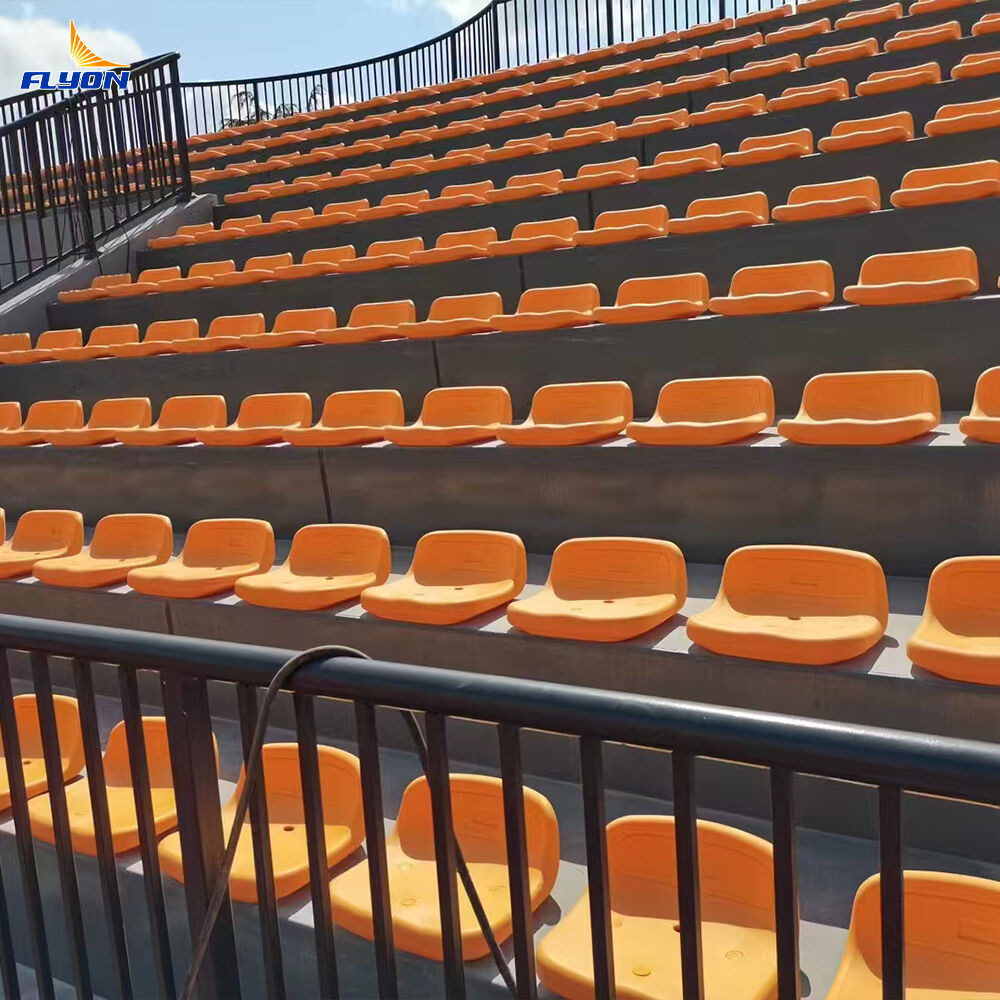
Kluczowa rola projektowania antypoślizgowego w krzesłach do hal sportowych
Fizyka przyczepności na polerowanym betonie i podłogach winylowych
Lśniące podłogi, jakie obecnie widzimy w większości hal sportowych, są w rzeczywistości dość poślizgowe ze względu na ich gładkość na poziomie cząsteczkowym. Dodajmy do tego wodę z rozlanych napojów lub poranną kondensację, a sytuacja staje się jeszcze gorsza. Współczynnik tarcia podłogi spada znacznie poniżej wartości uznawanej przez ekspertów za bezpieczną dla bezpiecznego poruszania się. Dlatego producenci krzesieł do stadionów zaczęli stosować specjalne tekstury na dolnych częściach nóg krzesła. Te teksturowane podstawy działają inaczej niż zwykłe klejące powłoki: tworzą mikroskopijne kieszonki próżniowe przy naciskaniu na podłogę, co zapobiega przesuwaniu się krzesła, gdy osoby nagle się poruszają lub tłum zaczyna się przesuwać do przodu. Zarządzający stadionami bardzo doceniają tę fizyczną sztuczkę, ponieważ zapewnia ona bezpieczeństwo zarówno gościom, jak i pracownikom w tych chaotycznych chwilach między meczami.
Rzeczywisty wpływ: redukcja wypadków po zainstalowaniu teksturyzowanych krzeseł stadionowych z powłoką z PVC
Stadiony, które przechodzą na te teksturyzowane krzesła stadionowe z powłoką z PVC, odnotowują w pierwszym roku eksploatacji około 60 procent mniejszą liczbę poślizgów i upadków, według informacji przekazanych nam przez zarządzających obiektami. Te niewielkie wzory żeber na spodzie każdego krzesła zwiększają siłę przyczepności o około 40% w warunkach wilgotnych lub mokrych w porównaniu do gładkich plastikowych nóżek stosowanych w standardowych krzesłach. Oznacza to, że zwykłe miejsca siedzące stają się częścią systemu bezpieczeństwa, a nie jedynie elementem, na którym ludzie siadają. Obiekty zauważają również rzeczywiste oszczędności finansowe. Instytut Ponemon przeprowadził w ubiegłym roku badania, które wykazały, że obiekty oszczędzają średnio około 740 000 dolarów amerykańskich rocznie na roszczeniach prawnych związanych z wypadkami spowodowanymi poślizgiem po wprowadzeniu tej zmiany.
Materiały odporno na zużycie zaprojektowane specjalnie dla hal sportowych o dużym natężeniu ruchu
Porównanie trwałości: stal z powłoką proszkową, aluminium anodowane oraz wzmocniony polipropylen
Wybór materiału ma bezpośredni wpływ na trwałość w miejscach o dużym ruchu. Badania branżowe (Raport z 2024 r. dotyczący infrastruktury stadionów) ujawniają istotne różnice w okresie użytkowania:
- Stali powlekanej : Trwa 10–15 lat, ale wymaga gruntów epoksydowych, aby zapobiec korozji spowodowanej wilgotnością i rozlanymi napojami.
- Anodowany aluminiowy : Zapewnia 20–25 lat użytkowania przy praktycznie zerowym poziomie koniecznej konserwacji dzięki naturalnej odporności na utlenianie.
- Wzmocniony polipropylen : Oferta 12–15 lat użytkowania, wyróżniając się odpornością na uderzenia wynikające z wandalizmu lub upuszczenia sprzętu.
Ruch pieszy skupia zużycie na poręczach i krawędziach siedzeń, co czyni wzmacniane formuły polimerowe kluczowymi dla stref intensywnego użytkowania — degradacja materiału nie przebiega w sposób liniowy, lecz lokalny i kumulacyjny.
Dodatki odpornościowe na działanie promieni UV oraz kompatybilność ze światłami LED w środowiskach wewnętrznych
Światła LED w nowoczesnych halach sportowych emitują w rzeczywistości niski poziom promieniowania UV, co powoduje szybsze blaknięcie kolorów niż się spodziewano. Dlatego też wysokiej klasy fotele stadionowe zawierają obecnie inhibitory UV już od momentu mieszania polimerów. Te specjalne dodatki pomagają zachować świeże wygląd kolorów w ponad 95% nawet po przebywaniu pod tymi światłami przez około 10 000 godzin, zgodnie z wynikami testów przeprowadzonych zgodnie ze standardami AATCC. Kolejna zaleta? Te same chemikalia zmniejszają temperaturę siedzeń w porównaniu do materiałów standardowych, zwykle o 7–12 stopni. Nie trzeba już się pocąć przez koszulkę podczas długich meczów czy koncertów! Ta sprytna kombinacja chemiczna pozwala kibicom cieszyć się żywnymi kolorami i komfortowym siedzeniem bez obaw o zużycie – niezależnie od liczby wydarzeń, na których będą obecni przez lata.
Poprzez priorytetyzację zastosowania polimerów inżynieryjnych i obróbki stopów, zakłady obniżają koszty wymiany materiałów o nawet 60%, jednocześnie eliminując zagrożenia poślizgu wynikające z degradacji materiału — co dowodzi, że trwałość i bezpieczeństwo są ze sobą nierozłączne.
Innowacja o podwójnym przeznaczeniu: połączenie właściwości zapobiegających poślizgowi oraz długotrwałej trwałości w krzesłach stadionowych
Miejsca siedzące w stadionach muszą dziś zapewniać zarówno bezpieczeństwo, jak i odporność na zużycie przez wiele sezonów. Nowe materiały kompozytowe zmieniają ten stan rzeczy, tworząc tekstury zapobiegające poślizgom bezpośrednio w strukturze samego krzesła. Nie trzeba już wybierać między dobrą przyczepnością a szybkim zużyciem. Zgodnie z najnowszymi badaniami IFMA (2023), obiekty sportowe wyposażone w tego typu miejsca siedzące odnotowują około 72 proc. mniej zgłoszonych upadków. Ponadto wydają one o około 40 proc. mniej na naprawy po dziesięciu latach użytkowania w porównaniu do starszych modeli. Dlaczego to działa? Dzięki specjalnym polimerom, które zachowują przyczepność nawet po setkach tysięcy osób siadających i wstających. Te materiały są również odporne na blaknięcie pod wpływem światła lamp LED wewnątrz aren. Sposób, w jaki te mikroskopijne żeberka wiążą się na poziomie cząsteczkowym, sprawia, że powierzchnia nie odkształca się nawet przy wilgotności czy ekstremalnych temperaturach w miejscach, które przez cały rok organizują koncerty, mecze oraz inne wydarzenia. W świetle szybkiego postępu technologii materiałowych łączenie wielu funkcji w jednym produkcie staje się naturalnym rozwiązaniem redukującym wypadki i utrzymującym koszty operacyjne na znośnym poziomie w intensywnie użytkowanych przestrzeniach publicznych.
Zgodność, certyfikacja i kryteria wyboru krzeseł do hal sportowych
Spełnienie norm ASTM F2656, ISO 9223 (C2) oraz standardów bezpieczeństwa zatwierdzonych przez IAAF
Miejsca siedzące w halach sportowych wymagają odpowiedniego certyfikatu, aby zapewnić bezpieczeństwo użytkowników i gwarantować, że krzesła nie ulegną uszkodzeniu. Norma ASTM F2656 określa poziom poślizgu podłóg przy ich zmoczeniu, co ma szczególne znaczenie na lśniących powierzchniach betonowych lub winylowych. Norma ISO 9223 (C2) ocenia odporność krzeseł na korozję w miejscach, gdzie poziom wilgotności jest kontrolowany. Nie należy również zapominać o akredytacji IAAF, która zapewnia zgodność wszystkich elementów z międzynarodowymi standardami obowiązującymi w obiektach sportowych – od ograniczeń dotyczących udźwigu po trasy ewakuacyjne w sytuacjach nagłych. Obiekty rzeczywiście stosujące wszystkie te przepisy odnotowują około 30% mniejszą liczbę incydentów, jak wynika z raportu „Venue Safety Journal” za ubiegły rok. Łącznie te różne certyfikaty obejmują praktycznie każdy aspekt bezpieczeństwa.
- Odporność na uderzenia (minimalne obciążenie dynamiczne 250 lb/ft²)
- Bezpieczeństwo przeciwpożarowe (materiały ognioodporne klasy A)
- Dostępność (Linie widzenia i odstępy zgodne ze standardem ADA)
Praktyczna lista kontrolna zakupów: co kierownicy obiektów powinni zweryfikować przed zakupem
Przy wyborze krzeseł stadionowych należy przywiązać szczególną uwagę do poniższych kroków weryfikacyjnych:
- Certyfikatów materiałowych : Zweryfikować, czy stal z powłoką proszkową lub aluminium anodowane spełniają normę ISO 9223 (stopień C2) dotyczącą odporności na korozję
- Badania antypoślizgowe : Zażądać danych dotyczących współczynnika przyczepności zgodnych ze standardem ASTM F2656 dla lokalnych typów podłóg
- Warunki gwarancji : Zapewnić minimalne 10-letnie gwarancje dotyczące degradacji przez działanie promieni UV oraz integralności połączeń
- Zgodność z wymogami montażu : Zweryfikować wymagania IAAF dotyczące odstępów (minimalna głębokość rzędu: 24 cala)
- Dzienniki konserwacji : Przejrzeć protokoły czyszczenia zaproponowane przez producenta dla powierzchni teksturanych
Krzyżowe odniesienie tych kryteriów pozwala na obniżenie kosztów wymiany o 22% rocznie („Facility Management Review” 2023), zapewniając jednocześnie bezpieczeństwo użytkowników. Przed zakupem hurtowym zawsze należy fizycznie przetestować próbki jednostek w symulowanych warunkach tłumu.
Sekcja FAQ
Jakie jest znaczenie projektowania antypoślizgowego w fotelach do hal sportowych?
Projektowanie antypoślizgowe ma kluczowe znaczenie dla zapobiegania wypadkom spowodowanym śliskimi podłogami, zwłaszcza gdy są one mokre. Teksturowane podstawy nóg foteli tworzą mikroskopijne kieszonki próżniowe, które zwiększają przyczepność i zapewniają stabilność foteli podczas nagłych ruchów.
W jaki sposób fotele z powłoką z PVC o teksturze zmniejszają liczbę incydentów na stadionach?
Wzory żeber na tych fotelach znacznie zwiększają siłę przyczepności, co przekłada się na około 60% mniejszą liczbę poślizgów i upadków w pierwszym roku użytkowania – według oceny zarządzających obiektami.
Jakie materiały najlepiej nadają się do hal sportowych o dużym natężeniu ruchu?
Stal z powłoką proszkową, aluminium anodowane oraz wzmocniony polipropylen są bardzo odpowiednie ze względu na ich trwałość oraz odporność na zużycie i wandalizm.
W jaki sposób dodatki odpornościowe na działanie promieni UV korzystnie wpływają na siedzenia stadionowe?
Dodatki odpornościowe na działanie promieni UV zapobiegają wypaczaniu barw i obniżają temperaturę siedzeń, zapewniając komfort oraz utrzymanie estetyki przez długi czas, nawet pod wpływem oświetlenia LED.
Jakie certyfikaty powinny spełniać krzesła do hal sportowych?
Istotne jest, aby krzesła stadionowe spełniały normy takie jak ASTM F2656 (odporność na poślizg), ISO 9223 (klasa C2 – kontrola korozji) oraz akredytację IAAF dotyczącą międzynarodowych standardów bezpieczeństwa.
Spis treści
- Kluczowa rola projektowania antypoślizgowego w krzesłach do hal sportowych
- Materiały odporno na zużycie zaprojektowane specjalnie dla hal sportowych o dużym natężeniu ruchu
- Innowacja o podwójnym przeznaczeniu: połączenie właściwości zapobiegających poślizgowi oraz długotrwałej trwałości w krzesłach stadionowych
- Zgodność, certyfikacja i kryteria wyboru krzeseł do hal sportowych
-
Sekcja FAQ
- Jakie jest znaczenie projektowania antypoślizgowego w fotelach do hal sportowych?
- W jaki sposób fotele z powłoką z PVC o teksturze zmniejszają liczbę incydentów na stadionach?
- Jakie materiały najlepiej nadają się do hal sportowych o dużym natężeniu ruchu?
- W jaki sposób dodatki odpornościowe na działanie promieni UV korzystnie wpływają na siedzenia stadionowe?
- Jakie certyfikaty powinny spełniać krzesła do hal sportowych?