 EN
EN
 AR
AR
 FR
FR
 PT
PT
 RU
RU
 ES
ES
 BG
BG
 HR
HR
 CS
CS
 DA
DA
 NL
NL
 FI
FI
 DE
DE
 EL
EL
 HI
HI
 IT
IT
 JA
JA
 KO
KO
 NO
NO
 PL
PL
 RO
RO
 SV
SV
 CA
CA
 TL
TL
 ID
ID
 SR
SR
 SK
SK
 UK
UK
 VI
VI
 HU
HU
 TH
TH
 TR
TR
 MS
MS
 AZ
AZ
 KA
KA
 BN
BN
 LO
LO
 MN
MN
 MY
MY
 UZ
UZ


 EN
EN
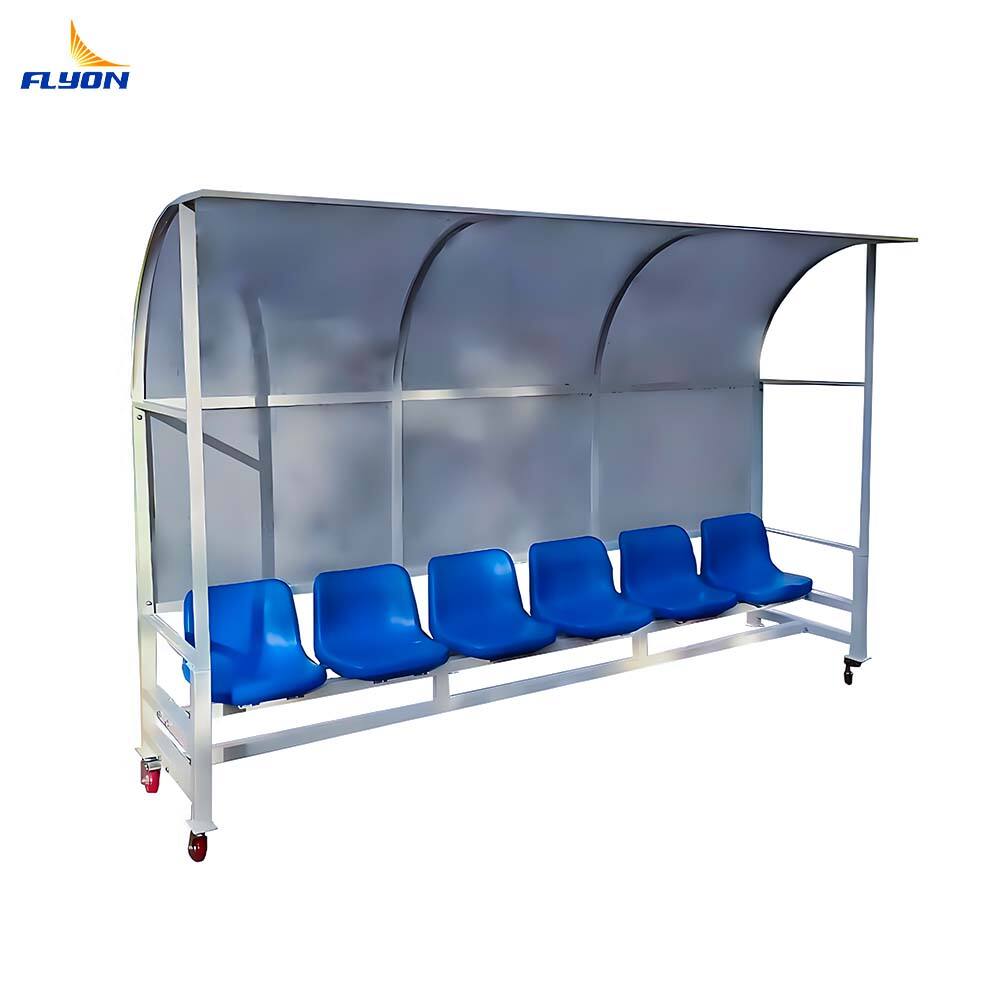
Принципы инженерной механики и науки о материалах
Динамика распределения нагрузок и интеграция конструкционных металлов
Разработка конструкций для ограничения скопления людей, способных плавно адаптироваться к различным архитектурным планировкам, требует глубокого понимания динамики нагрузок на конструкции и металлургического состава материалов. Когда на массовых общественных мероприятиях собираются большие толпы, механические нагрузки, воздействующие на системы сидений, выходят далеко за пределы простого статического веса. Современный дизайн сидений должен учитывать интенсивные динамические временные нагрузки, горизонтальные колебательные силы и равномерное вертикальное давление. Высококачественные переносные трибуны выдерживают эти структурные нагрузки за счёт использования прочных рам из холоднотянутой углеродистой стали в сочетании с сиденьями из экструдированного алюминиевого сплава. Опорная стальная конструкция подвергается передовым автоматизированным процессам сварки методом MIG для формирования единой матрицы, равномерно распределяющей кинетическую энергию по полу объекта. Применение высокопрочных крепёжных элементов и прецизионно обработанных взаимозацепляющихся распорок обеспечивает полную жёсткость всей конструкции при интенсивной эксплуатации, полностью исключая провисание конструкции или усталостное разрушение металла во время мероприятий с высокой посещаемостью.
Усовершенствованные анодированные защитные покрытия и не оставляющие следов механизмы перемещения
Модульные системы сидений работают в тяжелых условиях: их постоянно перемещают между крытыми аренами с деревянным полом и открытыми зонами размещения на асфальте или бетоне. Воздействие внешней среды приводит к повышенной влажности, ультрафиолетовому излучению и перепадам температур, что может быстро привести к деградации немодифицированных металлов. Чтобы противостоять такому воздействию окружающей среды, премиальные алюминиевые сиденья подвергаются специальной бесцветной анодизации. Данная электрохимическая обработка увеличивает толщину естественного защитного оксидного слоя, обеспечивая исключительную стойкость поверхности к царапинам и повреждениям погодными факторами. При использовании в помещениях особое внимание уделяется защите премиальных лакированных спортивных полов от тяжелых катящихся колес. Системы высокого класса оснащаются усиленными поворотными колесами из полиуретана, не оставляющими следов, с интегрированной системой блокировки, управляемой ногой. Такие специализированные колеса равномерно распределяют статическую нагрузку от сложенных секций сидений, позволяя персоналу легко перемещать оборудование по спортивным площадкам без царапин и повреждений дорогостоящих напольных покрытий.
Рамочные нормативные требования и метрики закупочной деятельности
Глобальные стандарты безопасности и структурное управление скоплениями людей
Развертывание инфраструктуры общественных сидячих мест в современных коммерческих объектах требует строгого соблюдения международных строительных норм и региональных стандартов обеспечения общественной безопасности. Надежные модульные системы сидячих мест разрабатываются в соответствии со строгими глобальными требованиями, включая критерии Международного строительного кодекса (IBC) для зрительских мест и нормы ICC 300 для трибун. Эти строгие руководящие документы устанавливают четкие параметры высоты ограждений, одинакового расстояния между ступенями лестниц, минимальной ширины проходов и точных характеристик огнезащитных материалов. Согласование производственных показателей с этими проверенными испытательными критериями позволяет значительно снизить риски управления толпой. Такой всесторонний акцент на структурном проектировании гарантирует, что поставляемые системы сидячих мест без затруднений проходят муниципальные проверки безопасности, строительные инспекции и независимые страховые оценки рисков до начала любого публичного мероприятия.
Техническое аудиторское руководство по закупке сидячих мест оптом
Закупка модульных сидячих мест большой вместимости представляет собой долгосрочные капитальные вложения, требующие тщательного технического аудита производственных мощностей. Корпоративные покупатели не ограничиваются изысканными маркетинговыми материалами и внимательно анализируют реальные инженерные данные и линии автоматизированного производства. Ключевыми параметрами оценки являются анализ профилей провара сварных швов, проверка толщины стенок стальных труб и исследование противоскользящих текстур на напольных настилах. B2B-закупочные команды отдают предпочтение производственным хабам, использующим роботизированные сварочные манипуляторы и автоматические пробойные прессы вместо трудоёмких ручных методов изготовления. Такой высокий уровень автоматизации производства обеспечивает стабильную точность размеров каждого отдельного конструктивного элемента, что позволяет сотням модульных деталей безупречно состыковываться при сборке объекта и поддерживать единый уровень безопасности по всей площадке.
Масштабирование инфраструктуры и глобальная компетентность в области поставок
Тяжёлое промышленное производство и глобальные поставки
Реализация сложных архитектурных решений для систем сидячих мест в масштабах промышленного производства требует партнёра-производителя с мощной производственной инфраструктурой и обширным опытом в сфере международных B2B-логистических операций. Именно такой высокий уровень технической точности и безупречная координация крупномасштабных поставок характерны для признанных отраслевых специалистов, таких как FLYON . Работая на передовых автоматизированных центрах резки конструкционной стали, в высокопроизводительных цехах порошкового окрашивания и в строгих лабораториях механического испытания на прочность, FLYON гарантирует, что каждый отдельный переносные трибуны модуль обеспечивает точное соблюдение физических допусков и структурной целостности, требуемых для развертывания на международных объектах. Промышленная производственная линия без сбоев справляется с крупномасштабными коммерческими заказами, одновременно обеспечивая полное соответствие глобальным стандартам общественной безопасности. Эта надёжная система поставок предоставляет международным закупочным компаниям, операторам стадионов и глобальным дистрибьюторам высоконадёжный источник проверенных сидячих мест, предназначенных для повышения гибкости использования пространства за пределами национальных границ.
Часто задаваемые вопросы
Какие строительные нормы регулируют производство портативных систем сидячих мест?
Высококачественные временные и мобильные системы сидячих мест должны соответствовать международным стандартам, таким как ICC 300 и Международный строительный кодекс (IBC). Эти стандарты устанавливают конкретные требования к расчётным нагрузкам, нескользящим поверхностям ступеней и высоте ограждений, чтобы гарантировать полную безопасность публики.
Как процессы анодирования алюминия предотвращают износ сидячих досок для зрителей?
Анодирование — это электрохимический процесс, при котором внешняя поверхность металла превращается в чрезвычайно прочный защитный слой оксида алюминия. Этот интегрированный слой не отслаивается, не скалывается и не ржавеет даже при интенсивном пешем движении по нему или воздействии суровых погодных условий, сохраняя поверхность гладкой и безопасной.
Почему неоставляющие следов колёса из полиуретана необходимы для внутренних спортивных сооружений?
Колёса из полиуретана сочетают прочность твёрдого пластика с плавностью качения резины. Такая конструкция материала позволяет тяжёлым стальным и алюминиевым конструкциям легко перемещаться по деликатным внутренним поверхностям, таким как лакированные деревянные спортивные площадки, не оставляя царапин, вмятин или глубоких следов.