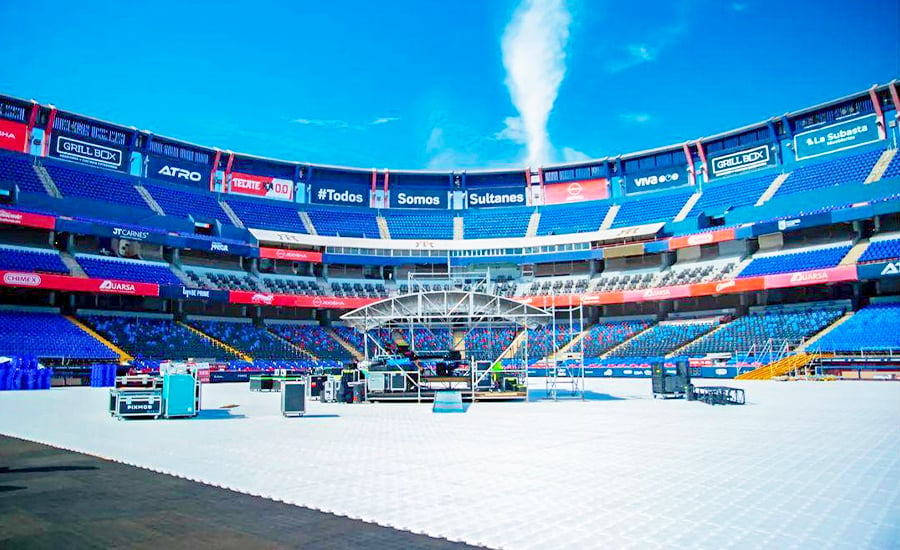
The rise of pop-up shops and seasonal markets is pretty significant these days, making up around 23% of all new retail openings in city areas according to Retail Dive from last year. People just want more experiences when they shop rather than the same old stores. All this activity has actually grown into a massive market worth $6.8 billion for temporary retail setups. Portable flooring solutions have become super important here since brands need spaces that match their image right away without much hassle. Take New York City and LA for instance - both places saw about 34% increase in pop-up permit applications between 2022 and 2023 compared to what was happening before the pandemic hit. And guess what? The flooring needs to work everywhere from empty parking lots to rooftop events where conditions can be quite different each time.
Modular flooring tackles those three big issues event planners always face when setting things up quickly. First off, it goes down super fast – we're talking under two hours for covering 1,000 square feet. Second, these systems really cut down on damage claims from venues, with studies showing around an 80% drop. And third, brands love them because they can customize the look to match their identity. The way these floors lock together means no sticky glues or tapes that ruin concrete or asphalt underneath. Plus, they handle pretty heavy stuff too, standing up to about 400 pounds per square foot. That makes them ideal for places like tech stores where displays need stability or busy food markets where foot traffic is constant throughout the day.
Chicago’s Randolph Street Market reduced vendor setup time by 40% after adopting portable flooring grids. Snap-together tiles enabled customized booth layouts while protecting the historic fairground’s brick pavement. Post-event surveys showed 92% of vendors preferred the professional appearance over bare-floor setups.
Recent innovations include UV-resistant coatings for outdoor durability and drainage-enabled tiles that prevent water pooling. The global modular flooring market is projected to grow at 8.7% CAGR through 2028 (Grand View Research), with 67% of growth tied to pop-up retail and temporary events.
Always verify weight limits (minimum 250 lbs/sq ft for furniture displays) and check venue guidelines—some historic sites require non-penetrating floor systems.
Portable flooring reduces upfront costs by 40–60% compared to permanent installations and can be reused for 10–15 years. Systems withstand 500+ setup cycles without degradation, eliminating disposable alternatives. A 2023 survey found 73% of pop-up retailers reuse flooring across three or more annual events to maximize ROI.
Modern composites like interlocking PVC tiles weigh 25% less than rubber flooring yet maintain 4,500 PSI compressive strength—ideal for heavy foot traffic, food trucks, and temporary stages. These materials perform reliably in extreme temperatures (-20°F to 140°F) and resist UV exposure, making them suitable for multi-season outdoor use.
Portable flooring prevents 92% of subfloor abrasions according to venue maintenance logs, with textured surfaces reducing slip incidents by 67% in wet conditions. Interlocking designs distribute weight evenly, safeguarding delicate surfaces such as museum courtyards and historic plazas from scuff marks and indentations.
A single modular system adapts to seven common venue types:
This flexibility allows planners to standardize equipment across 80% of event types while maintaining consistent brand visuals.
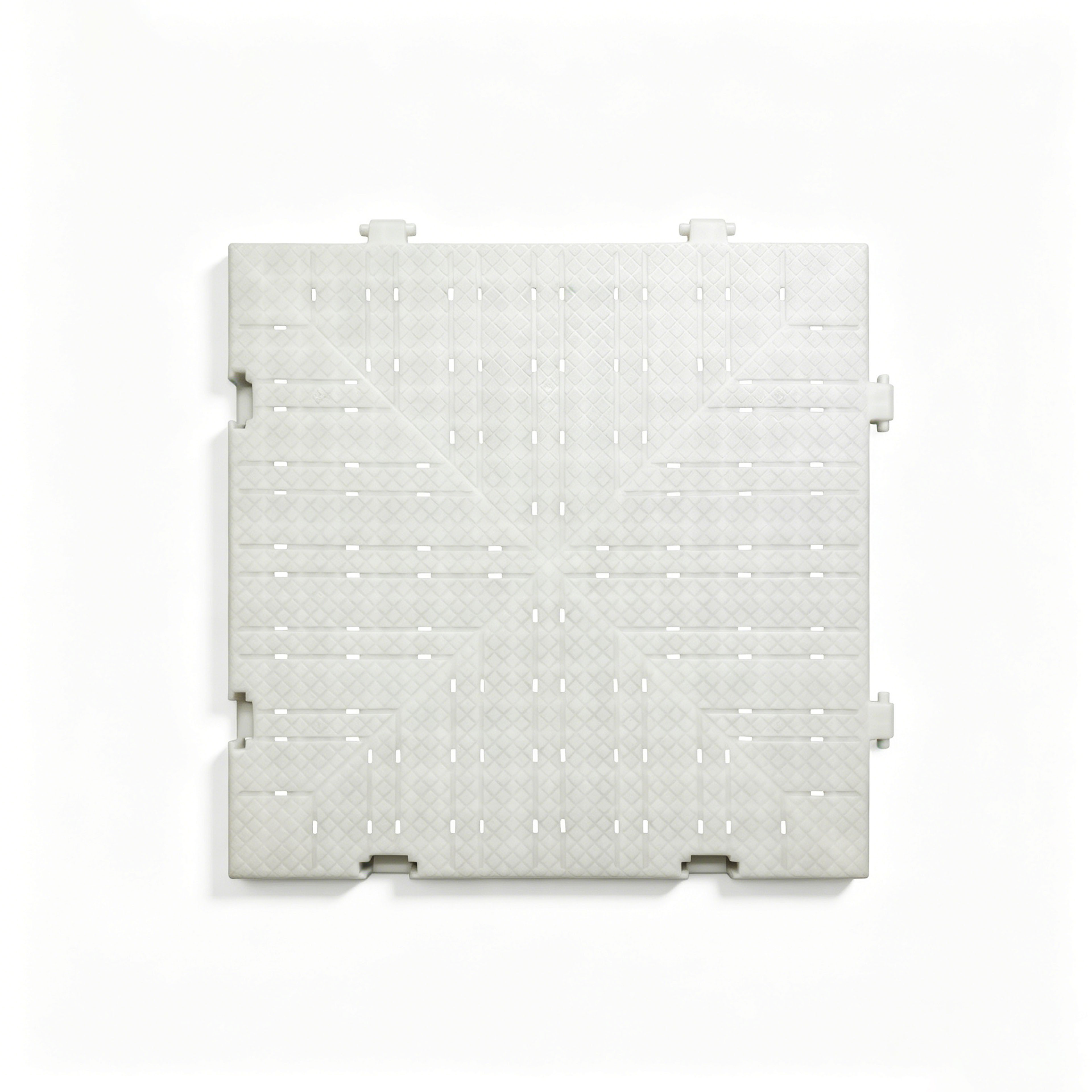
Modern systems use interlocking mechanisms or adhesive-free connections, enabling teams to deploy flooring quickly with basic hand tools. Built-in leveling features accommodate uneven terrain, making them ideal for temporary markets in parks or parking lots where permanent installations aren’t viable.
Event planners report a 40% reduction in setup time compared to traditional methods. Snap-together panels weigh 70% less than permanent materials, allowing one person to transport and reposition sections easily. This efficiency is crucial for pop-ups operating under tight 24–72-hour permits, helping preserve positive relationships with venue operators.
Sections measuring 10 by 10 feet transform easily into L shapes or separate segments within just 15 minutes flat, making them perfect when event planners need to adjust booth sizes or manage unexpected crowd movements. These modular floor systems offer something traditional flooring simply cannot match. Retailers can upgrade specific areas instead of tearing everything out. For instance, putting down non slip tiles where customers grab samples makes sense, while quieter materials work well around performance stages. Market research from 2024 shows that nearly seven out of ten temporary retailers consider this flexibility absolutely critical during extended events lasting multiple days.
Portable flooring comes in more than 25 colors and has about eight different textures, so it matches pretty much any brand colors or event vibe someone might want. The pigments are UV stable, meaning they don't fade when left outside under sun, and there's both matte and glossy options available that actually make walking safer on wet surfaces. Compared to traditional options like carpet tiles or poured concrete, these modular systems allow seasonal businesses to completely change their look without tearing anything apart. Makes total sense for companies running those pop-up stores every three months or so who need something quick to install and just as easy to take down later.
Consistent branding across physical touchpoints boosts recall by 47% (industry studies). Portable flooring supports this through logo-embossed tiles and edge-trimmable panels that frame graphics. One coastal apparel pop-up paired driftwood-textured flooring with wave-patterned borders, increasing dwell time by 33% compared to neighboring booths using standard vinyl rolls.
Dual-purpose designs, such as interlocking dance floors, combine functionality and branding. Ribbed aluminum cores endure 18,000+ pedestrian crossings, while customizable LED-lit surfaces serve fashion runways or product demos. Planners report reusing these systems across 12+ events, cutting per-event staging costs by 62% versus single-use alternatives.
Portable flooring cuts installation costs by 40–60% compared to permanent solutions requiring subfloor prep and skilled labor (Event Production Quarterly 2023). While semi-permanent options like epoxy-coated concrete or modular tile systems need contractors and multi-day setups, portable panels deploy in hours via interlocking technology—ideal for rapidly rotating pop-up locations.
Modern portable systems support 500–800 lbs/sq ft, matching or exceeding traditional vinyl composite tiles. Unlike disposable carpet rolls or protective films, they maintain integrity through 200+ deployments. A 2023 trade show survey found 78% of planners replaced disposable flooring annually, whereas portable floors last 8–10 years with proper care.
While reusability reduces waste, lifecycle impacts vary by material:
Third-party certifications like FloorScore® help identify environmentally responsible choices, though only 12% of suppliers currently meet circular economy benchmarks (Green Build Alliance 2023).
Portable event flooring provides cost-effective, reusable solutions that cut installation costs by 40-60% compared to permanent installations. It's lightweight and durable, suitable for heavy foot traffic, and protects surfaces from damage.
Portable flooring can be reused for 10-15 years and withstand over 500 setup cycles without degradation, making it a sustainable choice for budget-conscious planners.
Modern portable flooring uses materials like interlocking PVC tiles and bamboo composites. These materials provide durability while being lightweight and maintaining environmental sustainability.
Yes, portable flooring comes in various colors, textures, and finishes to match brand identity and event themes. It can also incorporate logo-embossed tiles for enhanced branding.
Absolutely! Portable flooring is designed to withstand extreme temperatures and UV exposure, making it ideal for outdoor events in diverse environments.
 Hot News
2026-09-30
2026-08-24
2026-08-10
2026-07-13
2026-07-10
2026-06-08
 EN
EN
 AR
AR
 FR
FR
 PT
PT
 RU
RU
 ES
ES
 BG
BG
 HR
HR
 CS
CS
 DA
DA
 NL
NL
 FI
FI
 DE
DE
 EL
EL
 HI
HI
 IT
IT
 JA
JA
 KO
KO
 NO
NO
 PL
PL
 RO
RO
 SV
SV
 CA
CA
 TL
TL
 ID
ID
 SR
SR
 SK
SK
 UK
UK
 VI
VI
 HU
HU
 TH
TH
 TR
TR
 MS
MS
 AZ
AZ
 KA
KA
 BN
BN
 LO
LO
 MN
MN
 MY
MY
 UZ
UZ


 EN
EN