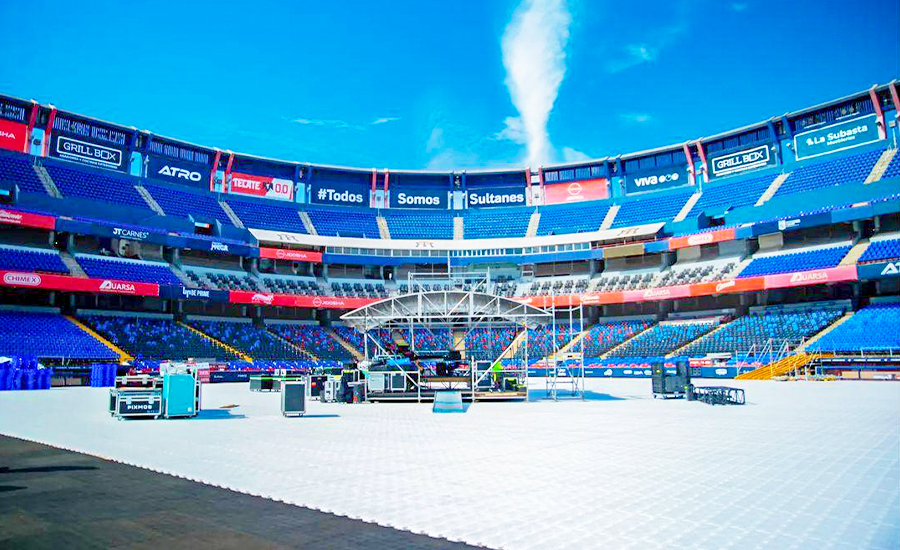
Since 2020 there's been quite a jump in demand for green temporary flooring at events across the country. We're talking about a massive 72% rise in requests from people who care about their environmental impact and venues that are getting pickier about what they allow on site. According to some research from IBM back in 2022, almost 6 out of 10 consumers these days really care about buying stuff that won't hurt the planet. Event planners have taken notice too, switching over to those reusable flooring options whenever possible just to keep up with what clients want. And it makes sense when we look at the numbers from venues themselves. Around two thirds of them now insist that anyone doing business there needs to show actual proof of sustainable practices before getting approved for an event.
The sector has transitioned from single-use plywood decks to materials like HDPE panels (containing 40–100% recycled content) and bamboo flooring. Modern alternatives reduce landfill waste by 83% compared to traditional wood-based systems while maintaining load-bearing capacities up to 1,200 lbs per panel. These innovations support circular economy principles through 15–20 reuse cycles.
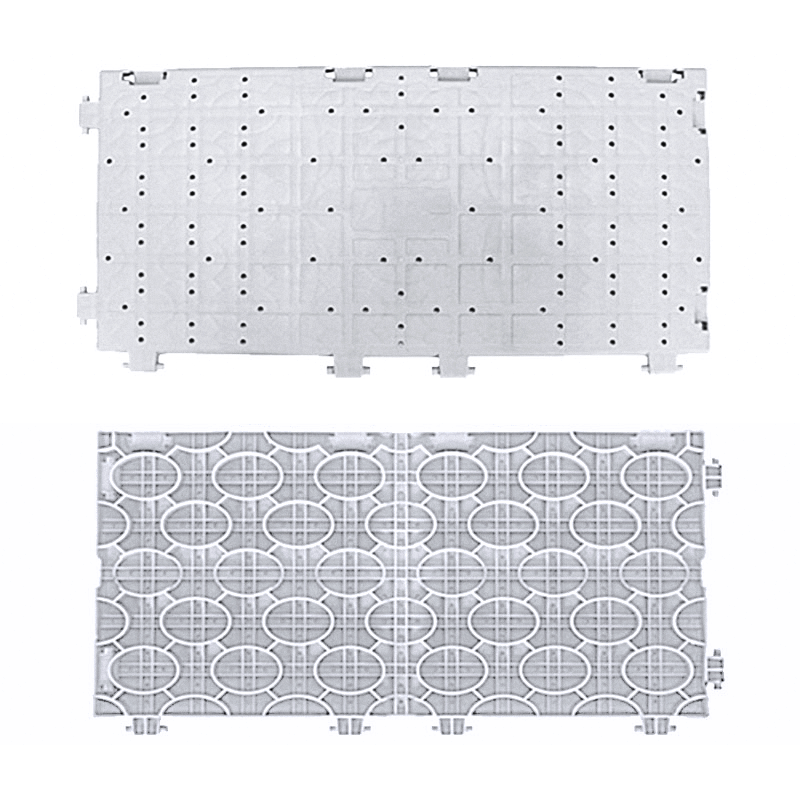
Smart event organizers these days are starting to think about green flooring solutions right from the beginning of their planning process instead of leaving it till later stages. These modular floor systems that click together can actually cut down setup time by around thirty percent compared to regular flooring methods, plus they meet those important accessibility standards too. Looking at data from recent studies in 2023 shows something pretty impressive happening when companies jump on board early with these sustainable options. Events using them tend to leave behind significantly smaller carbon footprints, sometimes cutting emissions nearly half what traditional events produce over their entire lifespan.
Most top manufacturers have switched to HDPE for temporary event flooring these days because panels made from this stuff actually contain between 30 and 100 percent recycled plastic yet still hold up like industrial quality materials should. According to that latest 2024 Industrial Materials Report we all keep hearing about, HDPE floors can take eight times more foot traffic before showing wear compared to regular old plywood. What makes this even better is how the whole system works in a closed loop recycling process. After being used at events for years and years, around 95 percent of these panels get turned back into something useful rather than ending up in landfills like so many wooden floorboards do after just one festival season.
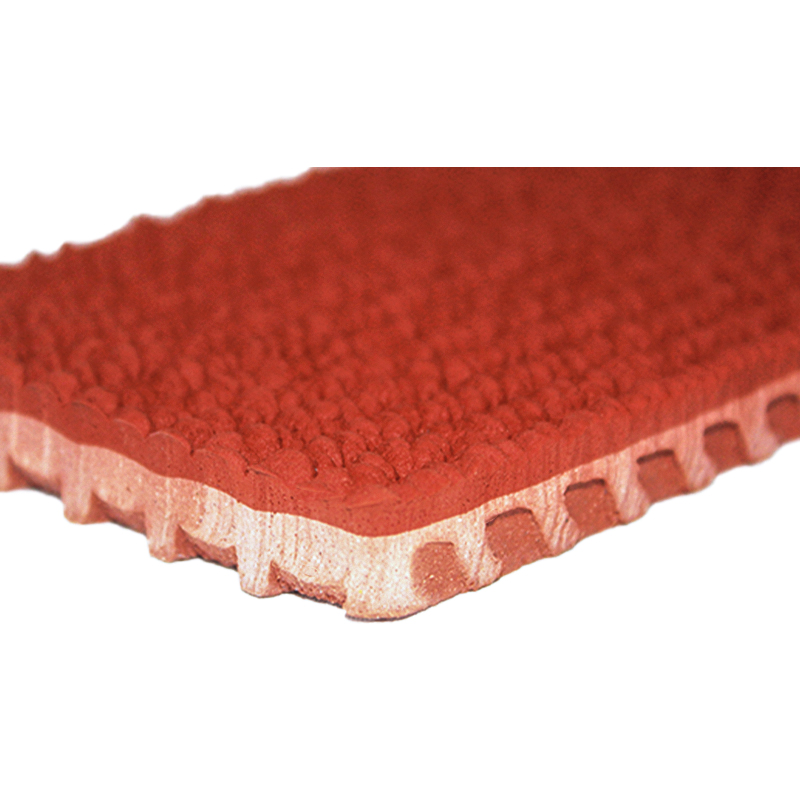
Rubber tiles made from 80% post-industrial tire waste provide slip-resistant surfaces for outdoor festivals, while fully biodegradable carpet tiles decompose within 18 months. This shift reduces landfill contributions by 740 tons annually per large-scale event organizer (Ponemon 2023), aligning with zero-waste certification requirements.
Harvested in 3–5 years—versus decades for hardwood—bamboo planks paired with cork or hemp composites deliver natural aesthetics without deforestation. These materials now account for 22% of luxury outdoor event flooring installations, offering comparable stability to treated wood at half the embodied carbon.
| Material | Carbon Footprint (kg CO2/m²) | Recyclability Rate | Average Lifespan |
|---|---|---|---|
| HDPE | 1.8 | 95% | 15+ years |
| Recycled Polyethylene | 2.1 | 88% | 12 years |
| Marine Plywood | 4.7 | 15% | 3 events |
Data shows HDPE systems reduce lifecycle emissions by 62% compared to wood panels while providing five times longer service life. Their modular design also eliminates the need for chemical sealants required with untreated wood.
The numbers tell an interesting story. According to recent data from the 2024 Event Materials Sustainability Index, reusable temporary event flooring can reduce waste and carbon emissions significantly when compared to single-use options. For instance, reusing modular panels can keep around 3.8 million pounds of waste out of landfills annually for large-scale events, while cutting down transportation emissions by reducing the distance materials need to be shipped. It’s no wonder more and more event organizations have adapted these sustainable solutions.
In a case study outlined in the 2024 Event Materials Sustainability Index, a notable event organizer successfully replaced traditional marine plywood flooring with interlocking HDPE tiles across several international venues. This change not only reduced overall waste from 2,300 pounds per event to 920 pounds but also cut material costs by 60% over three years. The organization met event sustainability goals while simplifying logistics by decreasing setup times and reducing material transportation distances, reflecting a trend toward more sustainable practices industry-wide.
The numbers tell an interesting story about reusable temporary event flooring. Unlike those throwaway mats everyone used to rely on, these modular panels can actually cut down on waste by providing a significant lifecycle advantage. According to the 2023 Circular Events Report, we're keeping around 95 percent of these panels out of landfills by recycling or repurposing them for new products, which reduces the annual waste at large events by hundreds of tons.
A study found that reusable flooring systems reduced lifecycle carbon emissions by 6.8 tCO2e compared to traditional single-use options, as shown in the 2024 Event Materials Sustainability Index. The introduction of hub-based logistics has cut the transport distances for materials by 34%, further driving down the environmental footprint of event setups across the globe.
Why is there a shift towards sustainable temporary event flooring?
The shift towards sustainable temporary event flooring is driven by increasing consumer demand for eco-friendly solutions and venues' insistence on sustainable practices. Event planners are adopting reusable flooring options to meet these demands and reduce their environmental impact.
What are some of the materials used in sustainable temporary event flooring?
Modern temporary event flooring includes materials like High-Density Polyethylene (HDPE) panels, recycled rubber, biodegradable carpet tiles, bamboo, cork, and hemp composites. These materials are favored for their recyclability, durability, and reduced carbon footprint compared to traditional wood-based systems.
What is the environmental impact of using sustainable temporary event flooring?
Using sustainable temporary event flooring significantly reduces landfill waste, carbon footprint, and reliance on virgin materials. Modern alternatives like HDPE panels can maintain high load-bearing capacities, offer extended reuse cycles, and reduce lifecycle emissions by 62% compared to traditional wood-based systems.
How cost-effective are reusable flooring systems compared to traditional options?
Reusable flooring systems can be 15 to 20 percent more expensive upfront than traditional plywood. However, they last around eight years and can be reused multiple times, which ultimately provides long-term cost efficiency and meets sustainability goals.
What are some benefits of eco-friendly temporary event flooring?
In addition to being environmentally sustainable, eco-friendly temporary event flooring offers enhanced safety, stability, and accessibility for attendees. These features help reduce slip accidents, ensure surfaces are level, meet ADA requirements, and reduce total lifecycle costs through reusability and rental models.
 Hot News
2026-09-30
2026-08-24
2026-08-10
2026-07-13
2026-07-10
2026-06-08
 EN
EN
 AR
AR
 FR
FR
 PT
PT
 RU
RU
 ES
ES
 BG
BG
 HR
HR
 CS
CS
 DA
DA
 NL
NL
 FI
FI
 DE
DE
 EL
EL
 HI
HI
 IT
IT
 JA
JA
 KO
KO
 NO
NO
 PL
PL
 RO
RO
 SV
SV
 CA
CA
 TL
TL
 ID
ID
 SR
SR
 SK
SK
 UK
UK
 VI
VI
 HU
HU
 TH
TH
 TR
TR
 MS
MS
 AZ
AZ
 KA
KA
 BN
BN
 LO
LO
 MN
MN
 MY
MY
 UZ
UZ


 EN
EN