 EN
 AR
 FR
 PT
 RU
 ES
 BG
 HR
 CS
 DA
 NL
 FI
 DE
 EL
 HI
 IT
 JA
 KO
 NO
 PL
 RO
 SV
 CA
 TL
 ID
 SR
 SK
 UK
 VI
 HU
 TH
 TR
 MS
 AZ
 KA
 BN
 LO
 MN
 MY
 UZ


 EN
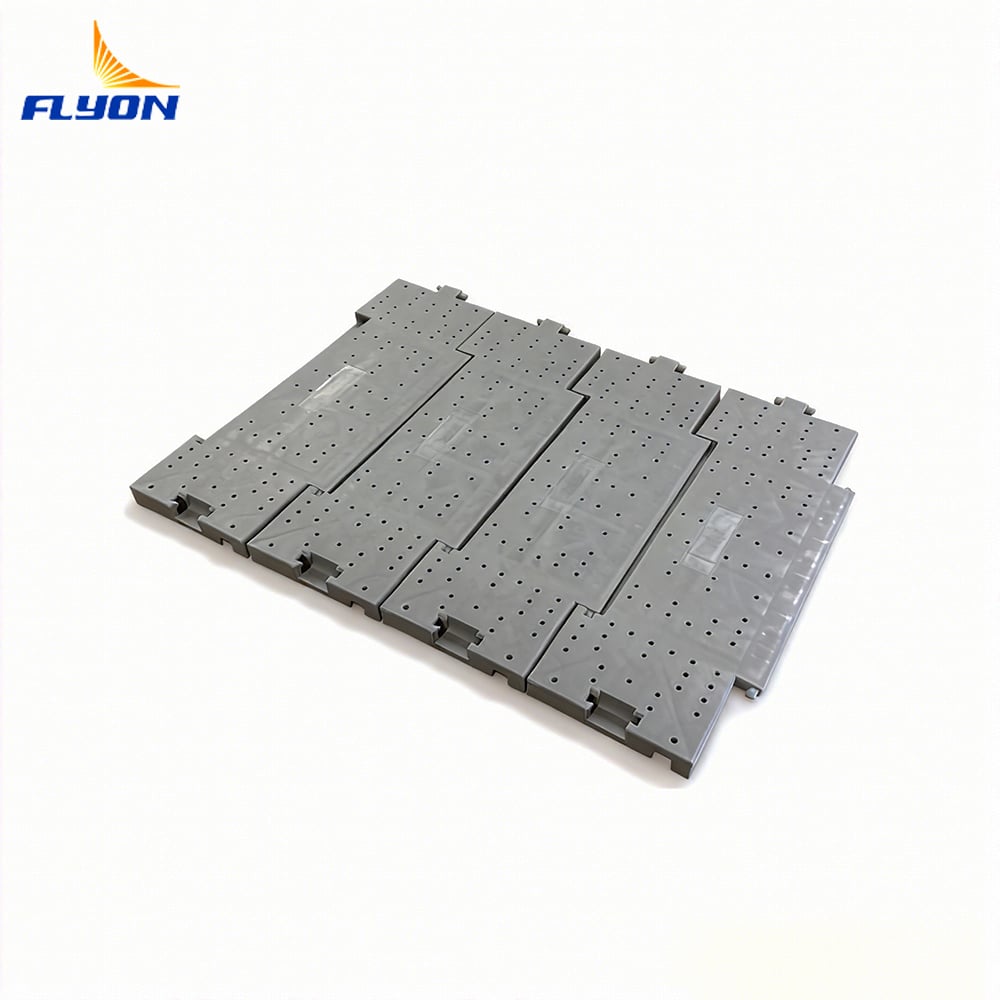
Superior Load-Bearing Strength and Structural Durability of Composite Mats
High-strength performance under extreme dynamic loads (e.g., crane support, multi-ton excavator operations)
Composite mats designed for crane support and multi-ton excavator operations must withstand both static weight and shifting dynamic forces. Standard heavy-duty panels measure 7.5 by 14 feet—with a usable area of 7 by 13 feet—and are 4.0 to 4.25 inches thick, weighing 1,000 to 1,046 pounds. Field specifications rate standard systems at 600 psi and high-strength variants at 650 psi, meaning each square inch supports that pressure before structural failure. Some designs have been tested to handle concentrated loads up to 150 tons; dragline applications have reached 3,000 tons. This resilience stems from a cross-ribbed core and interlocking flange design that distributes pressure across the full panel surface—rather than concentrating it beneath wheels or tracks. In soft, swampy, or sandy ground, this uniform load spread prevents localized sinking, hopping, and lateral shifting during equipment movement. Unlike timber mats—which absorb water and lose dimensional stability under repeated heavy passes—engineered composites maintain consistent thickness and traction. The highest-rated options use dense polyethylene or fiber-reinforced polymers to match or exceed wood’s strength while reducing panel weight. As a result, contractors can deploy multi-ton excavators and mobile cranes over temporary access routes without building continuous stone pads—or risking mat displacement. Independent testing confirms heavy-duty composite mats outperform ordinary HDPE and timber alternatives where maximum dynamic load capacity is critical.
Long-term durability from engineered composites—HDPE, fiberglass-reinforced polymers, and UV-stabilized resins
Engineered composite mats combine HDPE, fiberglass-reinforced polymers, and UV-stabilized resins to deliver service life far exceeding timber. Industry data show composites lasting 10 to 20 years under normal construction use, compared with just 6 months to 2 years for laminated timber mats. HDPE provides a non-porous, chemically resistant shell that repels moisture, fuels, and solvents. Fiberglass reinforcement adds flexural strength, enabling panels to recover fully from repeated heavy loading without cracking or permanent deformation. UV-stabilized resins prevent surface embrittlement and color fade during years of outdoor exposure. Unlike wood, these materials do not absorb water—so they avoid weight gain, rot, splintering, or the need for chemical preservatives. They also retain precise interlocking tolerances after repeated deployment, eliminating the warping or swelling that slows timber handling. The outcome is consistent thickness, safe manual handling, and predictable load performance across dozens of projects—reducing replacement frequency, minimizing job-site downtime, and supporting safer, faster work over multi-year schedules.
Adaptive Flexibility and Rapid Deployment Across Challenging Terrain
Conformability to uneven, soft, or sensitive ground without rutting or displacement
Composite mats flex under multi-ton loads to conform to ground contours—distributing pressure more evenly than rigid steel or timber. Field tests on saturated clay found standard composite mats reduced rut depth by 58% versus oak mats under equivalent 40-ton tracked excavator passes. HDPE and fiberglass-reinforced skins allow reversible bending without permanent deformation, so panels return flat once the load passes. This controlled flex prevents displacement on soft soils and protects ecologically sensitive areas—including pipeline rights-of-way, wetland edges, and newly seeded restoration zones. It also lowers dynamic point loads at crane outrigger pads, cutting sudden settlement risk by up to 35% in field trials. Operators can lay composites directly over uneven rock or frozen ground without grading—each panel bridges minor voids while maintaining full contact. No splintering, warping, or steel lip curling occurs—even after hundreds of flex cycles. Unlike steel plates that slide and tear turf, composites grip and move with the ground, making them ideal for temporary access roads and work platforms where aggregate fill or extensive site prep would otherwise be required. Their high recovery modulus ensures continued stability through thaw events and heavy rainfall—keeping site access uninterrupted without costly rework.
Lightweight design enabling single-person handling and fast setup—reducing labor and downtime
Standard composite mat panels weigh 18–45 kg per unit—light enough for one worker to carry, position, and align without mechanical assistance. A four-person crew can install 1,000 m² of temporary access in under three hours—less than half the time needed for bolted timber mats (2025). Because no crane or forklift is required, crews avoid equipment queueing and reduce hand and back injury risks associated with lifting heavier steel plates. Interlocking edges snap together tool-free, allowing rapid reconfiguration around obstacles or along curved paths. When relocating work sites, composites lift, stack, and redeploy in a fraction of the time needed for timber or steel. This speed cuts non-productive labor hours and keeps cranes, drilling rigs, and excavators operational sooner. Labor savings alone often offset the higher initial mat cost within the first year of active use. Shorter setup windows also improve responsiveness to weather delays—enabling rapid re-deployment after rain or thaw.
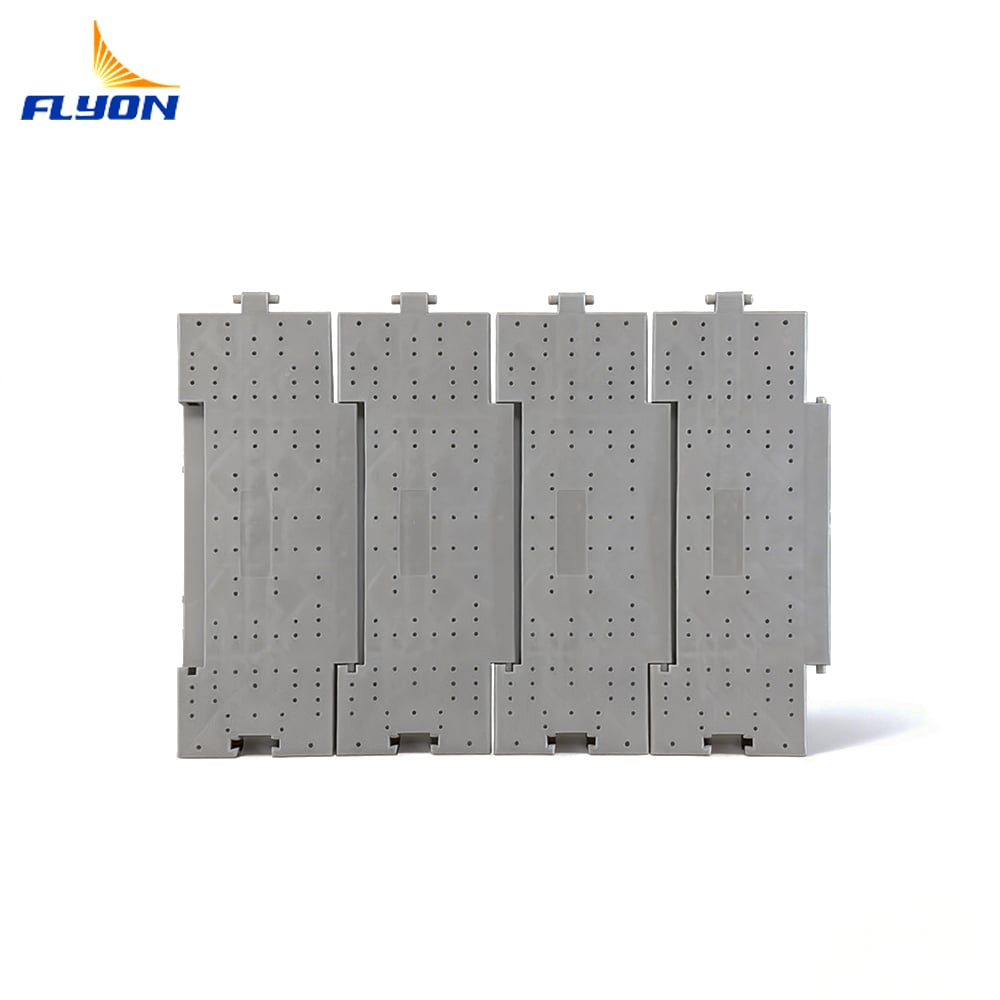
Strategic Advantages of Composite Mats vs. Traditional Timber and Steel Alternatives
A composite mat fundamentally shifts the trade-off between load performance and handling cost. Timber mats are inexpensive upfront but absorb water, rot, warp, and require frequent replacement. Steel mats offer high strength—but their extreme weight demands mechanical lifting, introduces slip and spark hazards, and increases transport costs. Composites deliver comparable load-bearing capacity in a lighter, non-absorbent, non-conductive form—enabling faster installation, lower freight weight, and fewer site delays. The table below summarizes key operational differences:
| Criterion | Timber Mats | Steel Mats | Composite Mats |
|---|---|---|---|
| Weight per unit | High | Very high | Low to moderate |
| Moisture resistance | Poor; absorbs water, swells, and rots | Good but may corrode | Excellent; does not absorb liquids |
| Electrical conductivity | Low but can conduct when wet | High; conductive | Non-conductive |
| Surface safety | Splinters, shifts, and degrades | Slippery when wet; spark risk | Non-sparking, stable interlocking surface |
| Lifecycle cost | Higher from replacement and disposal | High from transport and handling | Lower from durability and reusability |
| Environmental impact | Requires chemical treatment; disposal issues | High energy use; heavy transport | Recyclable and no chemical preservatives |
In practice, these differences reduce total project costs: crews install composites without heavy equipment, shorten setup time, and avoid disposal fees tied to damaged timber or corroded steel. For temporary roadways, crane pads, and staging areas, the strategic advantage lies in combining structural reliability with faster, safer, and cleaner deployment.
Total Cost of Ownership and Sustainability Benefits of Composite Mats
Lifecycle cost analysis: reduced replacement, maintenance, and transport expenses
Total cost of ownership for composite mats improves through longer service life, lower freight demand, and fewer replacement cycles. Engineered composites typically last 10–20 years—compared with 6 months to 2 years for timber mats—according to industry durability data. Freight efficiency also shifts significantly: composites deliver 3,380–4,095 sq ft per truckload, versus just 1,536–2,048 sq ft for timber—cutting per-square-foot transport cost and improving access to remote sites. Their impermeable construction prevents water absorption, keeping deployed weight stable and avoiding the increased outbound trucking costs that occur when timber mats gain 20–30% weight in wet conditions. Maintenance is limited to basic cleaning—no periodic inspection, soil removal, or damage repair is needed. Over multiple project cycles, these advantages lower labor, replacement, and demobilization expenses—even when the initial rental rate is higher.
Environmental advantages: recyclability, zero splintering, and no chemical preservatives
Sustainability benefits arise from material design and end-of-life recovery. Most composite mats are fully recyclable: they can be ground and remolded into new matting, extending useful life by another 10–20 years instead of entering landfill. They’re manufactured without chemical preservatives used in some treated timbers—eliminating leaching concerns and regulatory reporting burdens. Their impermeable surface prevents absorption of soil, seeds, spores, fungi, and contaminants—reducing cross-site transfer and supporting biosecurity compliance. Uniform load distribution also minimizes soil compaction, while zero splintering eliminates both worker injury risk and debris contamination on sensitive ground. These features collectively reduce cleanup effort, disposal liability, and environmental oversight—making composites a compliant, responsible choice for modern infrastructure and restoration projects.
FAQs
What are composite mats made of?
Composite mats are typically made of high-density polyethylene (HDPE), fiberglass-reinforced polymers, and UV-stabilized resins. These materials provide long-term durability, chemical resistance, and structural flexibility.
How do composite mats compare to timber and steel mats?
Composite mats are lighter, non-conductive, and moisture-resistant compared to timber and steel mats. Unlike timber mats, they do not absorb water or rot, and they outperform steel mats in handling and deployment efficiency.
What is the lifespan of composite mats?
Composite mats generally last 10 to 20 years, far exceeding the lifespan of timber mats, which last only 6 months to 2 years under normal use.
Can composite mats be recycled?
Yes, most composite mats are fully recyclable and can be remolded into new matting, extending their life cycle.
What are the environmental benefits of using composite mats?
Composite mats are free of chemical preservatives, do not splinter, and offer recyclability. They reduce soil compaction, contamination, and the environmental burden often tied to timber and steel mats.
Table of Contents
- Superior Load-Bearing Strength and Structural Durability of Composite Mats
- Adaptive Flexibility and Rapid Deployment Across Challenging Terrain
- Strategic Advantages of Composite Mats vs. Traditional Timber and Steel Alternatives
- Total Cost of Ownership and Sustainability Benefits of Composite Mats
- FAQs