 EN
 AR
 FR
 PT
 RU
 ES
 BG
 HR
 CS
 DA
 NL
 FI
 DE
 EL
 HI
 IT
 JA
 KO
 NO
 PL
 RO
 SV
 CA
 TL
 ID
 SR
 SK
 UK
 VI
 HU
 TH
 TR
 MS
 AZ
 KA
 BN
 LO
 MN
 MY
 UZ


 EN
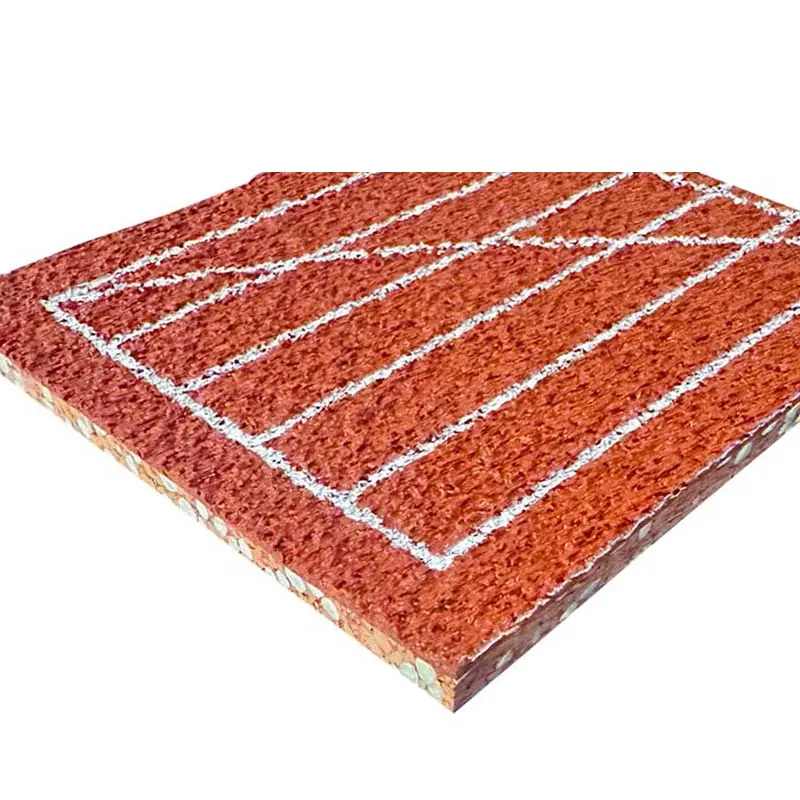
A Build That Failed Its First Winter
A new athletics track opened in autumn looking perfect, then cracked along the bend by January. The cause was a thin sub-base laid over clay soil that heaved with frost. The installer had skipped the ground report and used a standard slab.
What the Winter Revealed
A proper athletics track installation would have deepened the base and added a drainage layer. The repair meant closing the lane for a month and spending more than the original saving. The lesson cost the club a season, not just money, because the surface failed exactly where the base had been cut thin to save time.
Why the Shortcut Cost More
The athletics track then needed a full patch that never matched the original colour, leaving a visible seam. Members lost trust in the build and the committee lost the use of the lane mid-winter. A few days of extra base work at the start would have prevented every hour of the later closure and the argument over who paid for it. An athletics track installation that respects the ground report avoids this exact story at other sites. The athletics track that skips the base to save time pays in lost use and a patch that never matches. Builders who measure first protect the venue from a winter that exposes every corner cut made during the hurry of the handover.
Risk of Skipping Inspection
Most failures start below the surface, not on it. An athletics track installation over poor drainage ponds water that freezes and lifts the rubber.
Faults That Hide Below
Uneven fall sends runners toward the inside edge and pools silt on the line. Weak joints between pours show as ridges that catch spikes. Skipped line embedding leaves paint that peels within a term. Each fault is cheap to prevent at build and expensive to fix after handover, when the lane is already in use and the claim window has closed. An athletics track installation that documents each joint and line at pour time catches drift before it sets. The athletics track that is checked only by eye misses the camber that sends water to the wrong edge. Writing the inspection as the work proceeds turns a later dispute into a simple record anyone can read and defend when asked.
The Blame Game Without a Baseline
An athletics track opened without a measured check can hide a camber that is too steep or a radius that fails timing certification. Without a written inspection, the venue also lacks proof for the insurer and the local authority, so the first complaint becomes a dispute with no baseline to defend the build against when it matters most.
What a Correct Installation Covers
A sound athletics track installation begins with a ground report that sets base depth and drainage. The sub-base is compacted and falls to documented camber.
Base, Pour and Line Work
The surface is poured in matched batches with rolled joints, then line colour embedded, not painted. Radius and lane width follow the agreed geometry. The athletics track is cured before use, because rushing the open day traps moisture that blisters the top within weeks of the first frost and ruins the finish the school paid for. An athletics track poured in matched batches also avoids the colour seams that mark a rushed job. The athletics track that is lined by measure, not by eye, passes the survey first time, which keeps the opening date the venue promised.
Cure Time Protects the Top
An athletics track that opens too early shows bubbles and soft patches that never recover. Builders set the cure window for a reason, and the venue should hold it, banning studs during those early weeks so the rubber sets hard. Patience at handover costs less than a resurface in the first spring of use. An athletics track installation held to the cure window keeps its grip and colour for the seasons that follow. The athletics track rushed open bubbles and softens where the studs land first, and that wear never evens out. Giving the surface its full set time is the most valuable quality control step, done before a single race.
Standards and Inspection Points
EN 14877 sets requirements for synthetic outdoor sports surfaces, and World Athletics guidelines define lane geometry for certified tracks. BS 7044 covers UK synthetic systems, while EN 14904 applies to indoor options for an athletics track build.
Measuring Against the Standard
An athletics track installation should record slip resistance, shock absorption and UV stability per the chosen standard. Inspect against these references turns a visual pass into a measured one that survives audit and weather alike. Suppliers such as Flyon provide grade data and line specs per system, which the inspector ticks against the installed reality rather than trusting the sales sheet. An athletics track checked this way stays within standard for years, and that record protects the venue if a question ever arises about the build.
Handover and Early Care
Agree a snag list with the builder and a cure period before heavy use. An athletics track should open with a written inspection file holding every measurement. Ban studs for the first weeks so the surface sets. Sweep and clear drains through the first autumn. Log the baseline photos so later cracks are compared, not guessed, and the build stays defensible. An athletics track handed over with photos and measures lets the venue judge later cracks against a true baseline. The athletics track cared with a termly log stays safe and bright through heavy use. Keeping the install record close means the next inspection compares facts, not memory, and that discipline protects both the surface and the people who run on it.
Frequently Asked Questions
Question: How long should a track cure before use?
Answer: A new athletics track installation usually needs one to three weeks of cure before full use, depending on system and weather. Rushing the open day traps moisture that blisters the top at first frost. Builders set the window, and the venue should hold it, banning studs during those early weeks so the surface hardens properly.
Question: What does the ground report change?
Answer: The report sets base depth, drainage and fall, because soil type decides what sits underneath. An athletics track installation over clay needs a deeper, drained base than one over gravel. Skipping it risks heave and cracks, as several failed winter builds have shown. The report is the soundest insurance in the whole project.
Question: How is line quality checked?
Answer: Lines should be embedded colour, not paint, and measured against the drawing for width and radius. A proper athletics track inspection photographs each line and checks the radius with a tape. Painted lines peel within a term and drift off spec, so the embed method and the measure are the two points that matter most at handover.
Question: What slip value should the surface meet?
Answer: The wet slip resistance should match the climate and the user, with a documented value in the spec. An athletics track installation in a rainy region needs a higher grip than a dry one. The inspector tests the cured, wet surface, because that is the condition where most avoidable slips actually happen during a training session.
Question: Who certifies a competition track?
Answer: A certified athletics track follows World Athletics geometry and is measured by a recognised surveyor who issues a certificate. The installation must meet lane width, radius and marking rules. Without that measure, records set on the lane may not count, so the certifier is engaged before the build, not after a dispute over a finish.
Question: What belongs in the handover file?
Answer: The file should hold the ground report, base certificate, slip and shock values, line measures, joint photos and a drainage test. A complete athletics track installation record proves the build met standard and gives the venue a baseline to judge later cracks. Skip it and the first complaint becomes a fault with no defence to fall back on.