 EN
EN
 AR
AR
 FR
FR
 PT
PT
 RU
RU
 ES
ES
 BG
BG
 HR
HR
 CS
CS
 DA
DA
 NL
NL
 FI
FI
 DE
DE
 EL
EL
 HI
HI
 IT
IT
 JA
JA
 KO
KO
 NO
NO
 PL
PL
 RO
RO
 SV
SV
 CA
CA
 TL
TL
 ID
ID
 SR
SR
 SK
SK
 UK
UK
 VI
VI
 HU
HU
 TH
TH
 TR
TR
 MS
MS
 AZ
AZ
 KA
KA
 BN
BN
 LO
LO
 MN
MN
 MY
MY
 UZ
UZ


 EN
EN
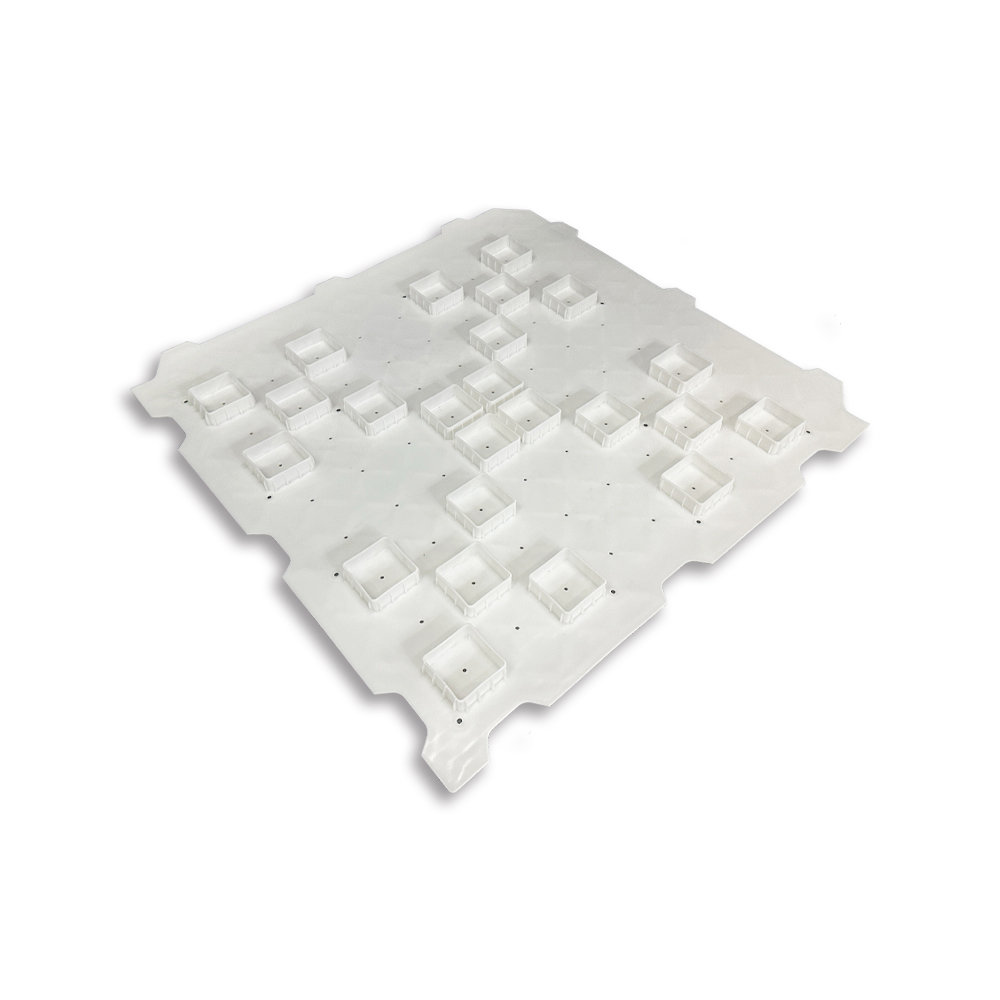
Between the Event and the Grass: How Ground Protection Mats Preserve Venue Surfaces Under Heavy Traffic
A weekend music festival draws 30,000 attendees across a municipal park's manicured lawn. Without proper ground protection, the combination of heavy foot traffic, food vendor carts, generator placement, and staging equipment turns the grass into compacted dirt within 48 hours—triggering restoration costs that can easily exceed the festival’s site-rental deposit.
The same engineering challenge applies to indoor and semi-permanent venues: a trade show forklift moving exhibition booths across a polished concrete floor, or a luxury wedding tent set up on a country club's putting green. Each scenario creates concentrated pressure that far exceeds the natural design tolerance of the underlying surface.
Ground protection mats solve this dilemma by distributing the point load of feet, wheels, and heavy machinery across a much larger surface area. Borrowing structural principles from construction-site access roads and scaling them down for event-industry demands, modern matting systems support tons of distributed weight while remaining modular and efficient to deploy. This guide explores the engineering mechanics behind high-performance ground protection and how event organizers safeguard venue surfaces without sacrificing site aesthetics.
The Engineering Behind Quality Ground Protection
Load Distribution Mechanics
A vehicle tire or a high-heeled shoe concentrates immense weight onto a tiny contact patch measured in square centimeters. For instance, a stiletto heel exerts pressure comparable to an elephant's foot due to its minimal surface area.
Ground protection mats reduce effective pressure by spreading the weight across the mat's full surface footprint and transferring it through engineered interlocking edges to adjacent tiles, forming a continuous load-distribution platform.
The Interlocking Advantage: Mats that flex independently under load create localized pressure ridges at their edges. Properly interlocked systems distribute weight evenly across neighboring tiles, mitigating sub-surface damage.
High-Capacity Formulations: Heavy-duty portable event flooring often utilizes high-impact polypropylene (PP) compounds designed to achieve extreme load capacities (frequently exceeding 150+ tons per square meter). This robust threshold safely handles scissor lifts, loaded pallet jacks, and heavy stage scaffolding.
Environmental Resilience: UV-stabilized chemical formulations prevent embrittlement and degradation under direct sunlight, ensuring structural longevity across multi-season outdoor deployments.
Ventilation, Drainage, and Sub-Surface Health
A common pitfall of cheap temporary flooring is an airtight seal that traps moisture, heat, and gases, destroying natural turf through suffocation within 24 to 48 hours and promoting mold growth on indoor hard floors.
Professional-grade ground protection systems incorporate underside ventilation channels—such as raised standoffs or open-grid matrices—that permit continuous air circulation and water drainage. Following a sudden rainstorm during an outdoor event, an engineered channel grid lets water drain naturally rather than pooling on top, minimizing slip-and-fall hazards for attendees while preventing the anaerobic soil conditions that kill grass roots.
Furthermore, chemical inertness (resistance to fuel, cleaning fluids, and food acids) and compliance with safety benchmarks (such as UL 94 fire ratings for tented or indoor structures) ensure these systems adapt safely to diverse applications, from concert flooring and VIP pathways to heavy vehicle access roads.
Real-World Application: Case Study Insights
Following extensive turf damage after summer festival seasons, a major metropolitan parks department instituted a mandatory ground protection policy for all commercial events on public green spaces.
Initially met with resistance due to perceived logistical costs, a benchmark trial shifted perspective. An event organizer deployed approximately 1,200 square meters of heavy-duty interlocking ground protection flooring, installed by a four-person crew in under three hours. Post-event inspections revealed zero structural damage to the underlying turf, completely bypassing the municipal turf-restoration penalty. Within two seasons, integrated ground protection transitioned from a regulatory mandate into an industry best practice for sustainable event management.
Frequently Asked Questions
How much weight can ground protection mats support?
High-quality interlocking mats support heavy distributed loads up to 160 tons per square meter, making them safe for delivery trucks, scissor lifts, and forklift traffic. Note that ultimate system capacity also depends on sub-grade soil conditions; saturated or loose soil beneath the mats will compress under extreme weight.
How fast is the installation process?
An experienced four-person crew typically installs between 3,000 to 4,000 square feet (approx. 280–370 square meters) per hour using tool-free snap-together tile configurations. Teardown and removal are generally 20% to 30% faster.
Can ground protection mats handle uneven ground?
Interlocking systems feature controlled flexibility to conform to minor ground undulations (typically up to 25–30 mm of variation per tile length). For severely uneven terrain, laying a foundational leveling layer of sand or fine gravel prevents bridging and localized stress fractures.
Do temporary mats kill or damage the grass underneath?
For short-term activations (1–5 days), ventilated mats leave turf healthy and intact. Events exceeding 5–7 days may induce mild, temporary yellowing due to light deprivation, but natural recovery typically occurs within 10–14 days post-removal, provided the mats feature proper underside ventilation channels.
Are ground protection mats reusable?
Yes.
What fire safety ratings should event flooring meet?
For temporary structures, tents, or near catering zones, event flooring should comply with at least a UL 94HB standard. For stringent indoor venue compliance, UL 94V-2 rated materials offer enhanced self-extinguishing flame-retardant properties.