 EN
EN
 AR
AR
 FR
FR
 PT
PT
 RU
RU
 ES
ES
 BG
BG
 HR
HR
 CS
CS
 DA
DA
 NL
NL
 FI
FI
 DE
DE
 EL
EL
 HI
HI
 IT
IT
 JA
JA
 KO
KO
 NO
NO
 PL
PL
 RO
RO
 SV
SV
 CA
CA
 TL
TL
 ID
ID
 SR
SR
 SK
SK
 UK
UK
 VI
VI
 HU
HU
 TH
TH
 TR
TR
 MS
MS
 AZ
AZ
 KA
KA
 BN
BN
 LO
LO
 MN
MN
 MY
MY
 UZ
UZ


 EN
EN
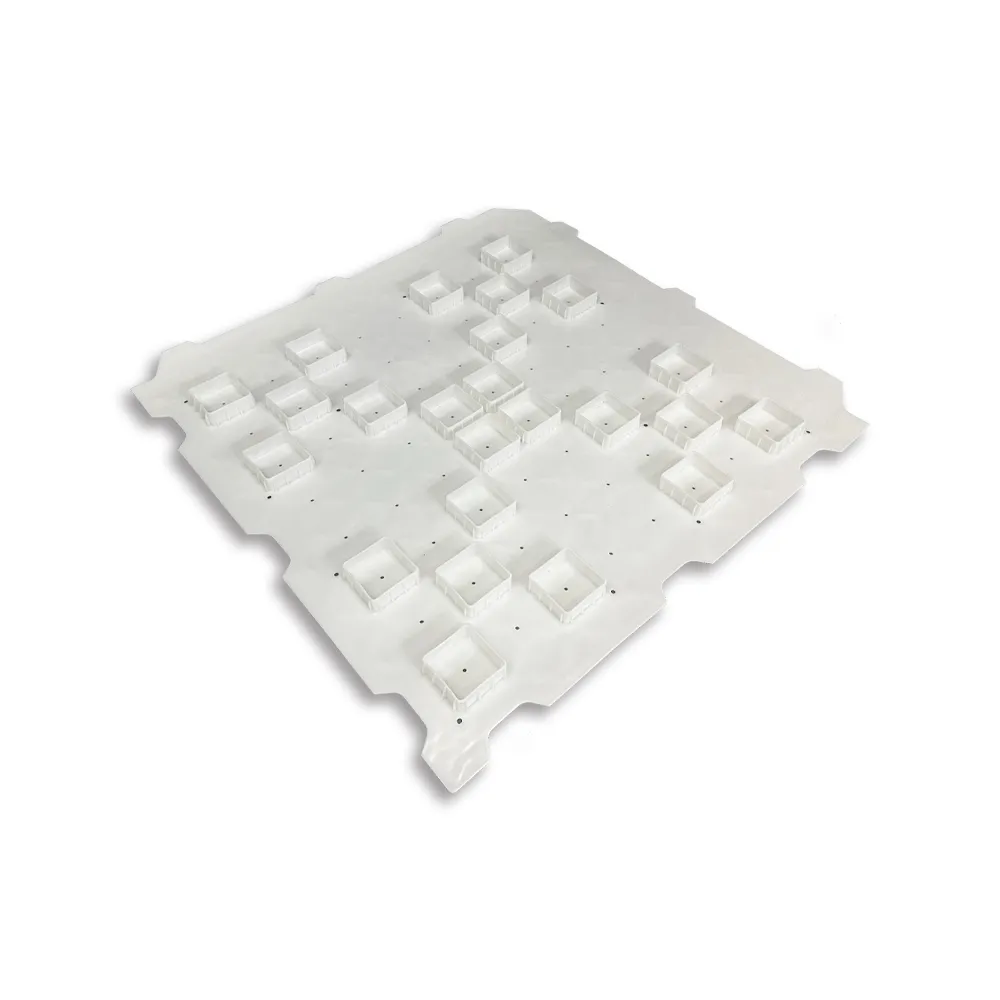
One Mat, Every Surface: How Customizable Ground Protection Adapts to Grass, Sand, Concrete, and Turf
A concert on a beach presents a fundamentally different ground protection challenge than a trade show on a convention center floor. Sand shifts under load, requiring wider mats to prevent sinking. Polished concrete needs a non-slip underside to prevent the mats from sliding under foot traffic. Synthetic turf compresses differently than natural grass, requiring mats with softer underside profiles to avoid imprinting the turf fibers. A ground protection mat that works perfectly on one surface can fail — or cause damage — on another.
Customizable ground protection mats address this variability through material choices, surface textures, color options, and underside geometry configured for the specific ground type and event application. The customization is not aesthetic — although branding colors are an option — but functional: matching the mat's physical properties to the surface it protects and the traffic it supports.
Surface-Specific Design Features
Natural Grass: Ventilation First
Grass is a living surface that requires light, air, and water exchange. A mat that seals against the grass suffocates it within 48–72 hours. For grass applications, the critical customization is underside ventilation — a grid or channel pattern that creates an air gap between the mat and the soil surface, allowing the grass to breathe and drain. The mat material should also be light-colored (gray is standard) to reflect sunlight rather than absorb it, reducing the heat buildup under the mat that accelerates grass stress.
Flyon Sport's portable event flooring incorporates these design features in its standard product, with additional customization available for extended-duration events requiring enhanced ventilation or translucent mat options that allow partial light transmission to the grass below. The standard interlocking tile system connects without tools and can be arranged in configurations matching the event layout — straight runs for pathways, full coverage for tent floors, and perimeter strips for stage areas.
Sand and Loose Soil: Wide Footprint, Low Ground Pressure
Sand compresses and shifts under concentrated loads, causing narrow mats to sink unevenly. Ground protection on sand requires wider tiles with textured undersides that resist lateral movement. The interlocking system must maintain connection under shifting substrate conditions — a design requirement that favors robust connection mechanisms over friction-fit systems that separate when the ground moves underneath.
Customization for sandy environments includes: wider tile formats for increased flotation, enhanced interlocking mechanisms, and optional edge anchoring systems that stake the perimeter of the mat installation to prevent the entire platform from shifting under wind or wave action. Flyon Sport provides application-specific recommendations for surface types, with color customization (gray, blue, and custom-matched tones) available for event branding or aesthetic integration with the venue environment.
Hard Surfaces: Grip and Scratch Prevention
Concrete, hardwood, and tile floors need ground protection mats that will not slide under traffic and will not scratch the surface underneath. The customization requirement is an underside profile that maximizes friction without abrasion — typically a fine-textured or rubberized contact surface that grips the floor without leaving marks. The mats' top surface should also provide slip resistance for pedestrians, especially when the event involves food and beverage service where floor spills are inevitable.
Flyon Sport's heavy-duty event flooring achieves hard-surface compatibility through its polypropylene material formulation, which provides inherent slip resistance without abrasive additives that could mark polished floors. For particularly sensitive surfaces — historic wood floors, high-gloss architectural concrete — the company offers consultation on additional underlayment options.
Practical Customization Options
Beyond surface-specific features, ground protection mat customization includes: color selection (standard gray and blue, plus custom-matched colors for event branding or venue integration), fire-rating selection (UL 94HB standard or UL 94V-2 for stricter venue requirements), and accessory options (edge ramps for accessibility compliance, corner pieces for finished perimeters, and storage racks for efficient transport and warehousing).
Frequently Asked Questions
What customization options does Flyon Sport offer for ground protection mats?
Color customization (gray, blue, and custom-matched tones), fire-rating selection (UL 94HB and UL 94V-2), and application-specific recommendations for surface type compatibility. The tile size remains standardized at approximately 90 cm × 20 cm for interlocking compatibility across all installations.
Can the mats be used on synthetic turf without damaging it?
Yes — the underside geometry of quality ground protection mats distributes weight without creating permanent imprints on synthetic turf fibers. Mats should be removed within 5–7 days for synthetic turf to allow the infill material to redistribute. Longer installations may require periodic lifting and repositioning to prevent fiber compression memory.
How many colors are available for custom orders?
Gray and blue are standard stock colors. Custom-matched colors are available for volume orders — typically 500+ square meters. Custom coloring uses UV-stabilized pigments integrated into the polypropylene material during manufacturing rather than surface-applied paint, ensuring color durability through years of outdoor use.
Do the mats require different installation methods for different surfaces?
The interlocking connection method is the same across surfaces — snap tiles together by hand without tools. The difference is in site preparation: grass requires mowing short before installation; sand requires leveling to remove major undulations; hard surfaces require sweeping to remove debris that could be trapped under the mats.
Can edge ramps be added to make the flooring wheelchair-accessible?
Yes — edge ramp accessories create a sloped transition from ground level to the mat surface, providing ADA-compliant wheelchair access and reducing trip hazards at the mat perimeter. Ramps interlock with the same connection system as the mats and are available in matching colors.
What is the minimum order quantity for custom-colored mats?
Custom color runs typically require a minimum production volume of approximately 500 square meters. For smaller event-specific needs, the standard gray and blue options can be combined with branded carpet runners or vinyl overlays on top of the mats to achieve branding objectives without custom tile production.