 EN
EN
 AR
AR
 FR
FR
 PT
PT
 RU
RU
 ES
ES
 BG
BG
 HR
HR
 CS
CS
 DA
DA
 NL
NL
 FI
FI
 DE
DE
 EL
EL
 HI
HI
 IT
IT
 JA
JA
 KO
KO
 NO
NO
 PL
PL
 RO
RO
 SV
SV
 CA
CA
 TL
TL
 ID
ID
 SR
SR
 SK
SK
 UK
UK
 VI
VI
 HU
HU
 TH
TH
 TR
TR
 MS
MS
 AZ
AZ
 KA
KA
 BN
BN
 LO
LO
 MN
MN
 MY
MY
 UZ
UZ


 EN
EN
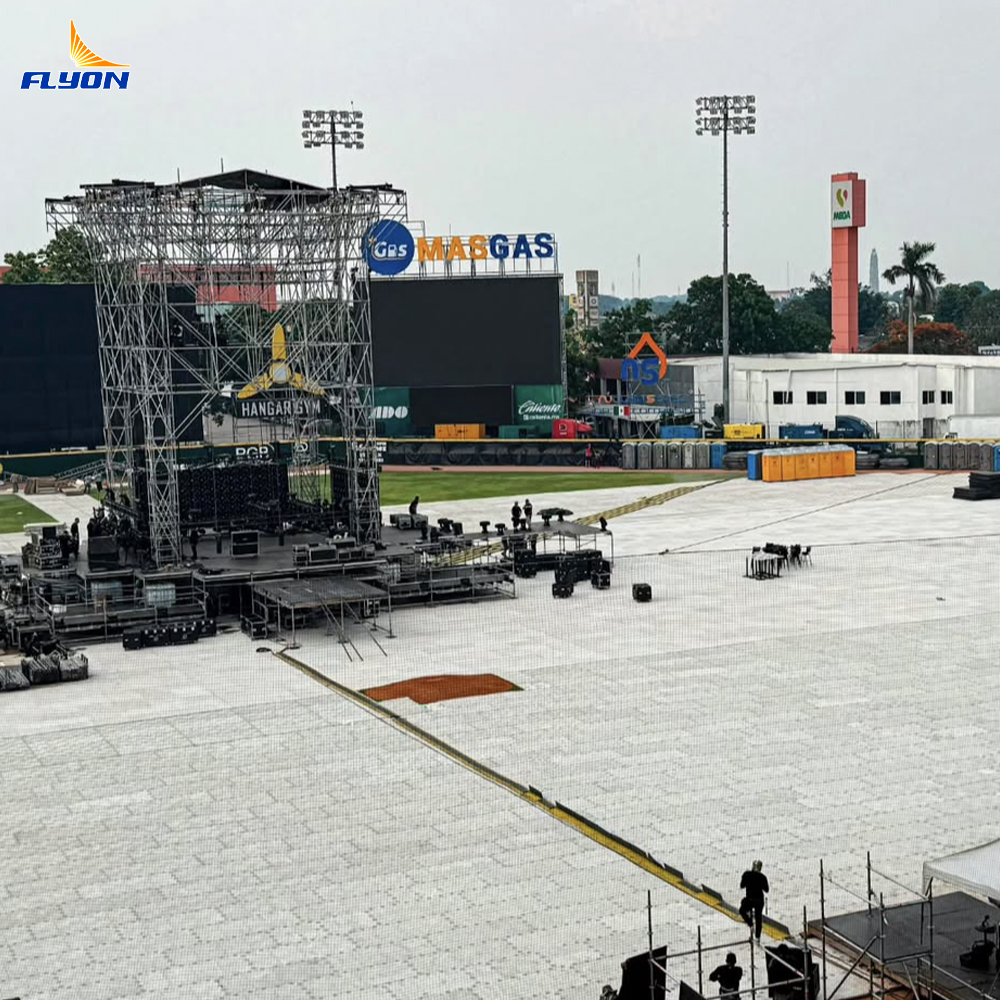
The Best Solution for Venue Ground Protection
Composite mats protect venue surfaces from damage by combining precision engineering with durable design. Many mats (like traditional wood mats) warp and splinter; concrete mats may crack under load. Composite mats use high-density polymers to distribute loads consistently across mats. This eliminates concentrated pressure points that can damage turf and subgrade. Composite mats have an interlocking design that can be deployed on uneven surfaces quickly, providing a seamless, non-porous barrier against mud and soil compaction. Timber mats cost up to 40% more per load, but support 200 tons/m2 loads. Event managers need mats that retain turf for multi-day events, and mats protect turf from compaction and mats support heavy machinery. Composite mats absorb water and resistant to chemicals, which makes them useful for events with adverse weather. Composite mats also support sustainability, as they are made with up to 95% recycled material and meet leachate safety standards EN 13432.
How Composite Mats Spread Load and Avoid Damage to the Surface
Mechanics of Load Distribution on Non-Porous, High-Modulus Structures
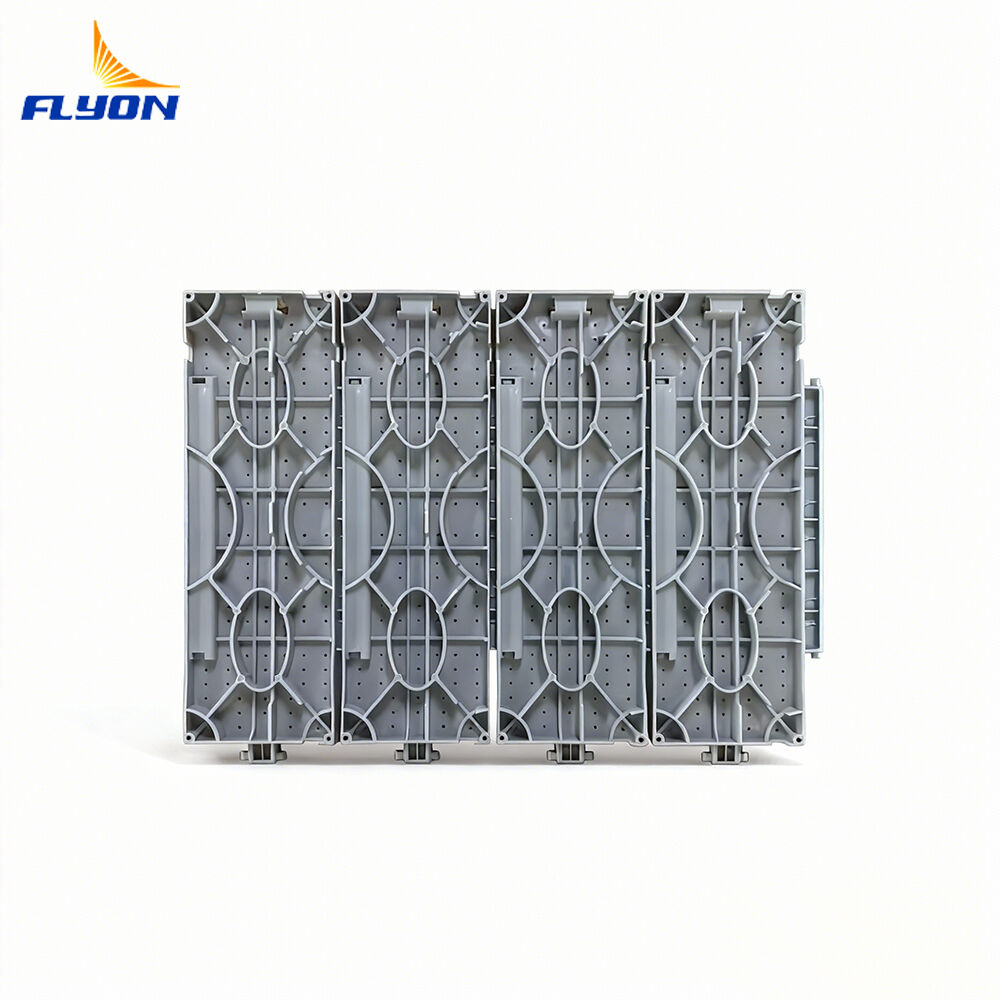
Composite mats use rigid, non-porous (and therefore soil saturating) designs that convert concentrated loads into distributed pressure. With their high-modulus polymer lattice, they achieve uniform load transfer across every square inch, thus achieving a reduction in ground pressure of up to 85% in comparison to mats placed in direct contact with the ground. This leads to an advantage mechanics-wise, preventing rutting of the soil and soil compaction. Their non-porous design also prevents water from being absorbed, which lowers the subgrades and brings the load-bearing capacity of the soil down even during the heavy rain. These mats spread the load across their entire footprint, thus preventing damage to soil and retaining root systems even when they are subjected to heavy machinery.
Real-World Validation: Protection of Turf at Global Events
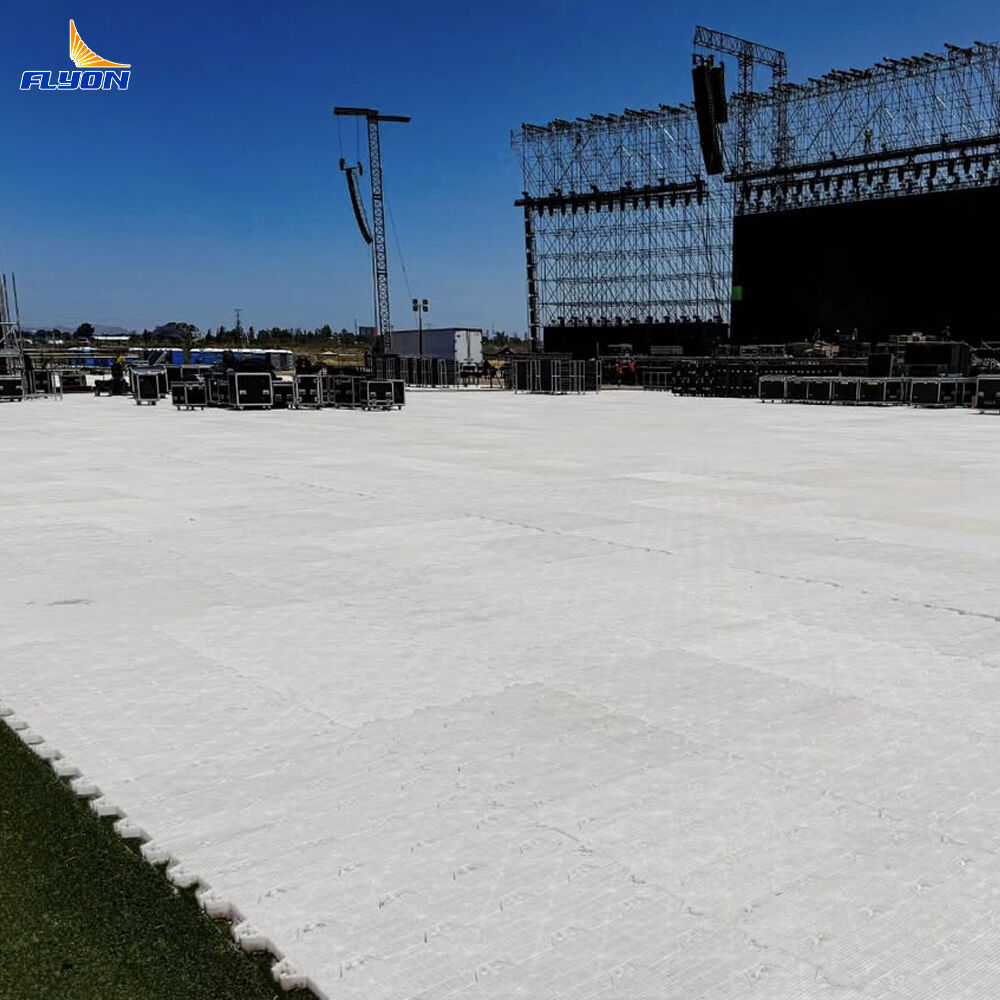
A post-event analysis at the UEFA Champions League 2023 showed the effectiveness of composite mats due to the extreme conditions they faced. 72 hours of heavy machinery as well as more than 60,000 spectators having crossed the barrier between the approaches and the venue, the turf was still 97% intact in a review conducted by an independent organization. The controlled pressure distributed by the mats and the root shearing and soil displacement are all due to the mats, preventing further damage to the protected areas. During the demobilization process, composite turf mats caused zero turf replacement in the areas protected by the mats, while 15 tons of sod replacement was needed for the areas that had not been protected by the mats. This is a real-life example of how the mechanics of load distribution translate into real impacts.
Deploying Composite Mats in Rapidly Changing Event Environments
Composite mats modularize the logistics of events beyond just entrance and exit points, especially when the venue allows for only limited, low-impact surface alterations and still requires rapid changes. Their design flexibility also helps in ensuring ground preservation, which is a matter of principle in many applications.
Rapid Construction and Reconfiguration of Modulated Surfaces On Sensitive Subgrades
Interlocking panels allow crews to deploy protective surfaces efficiently on fragile turf or sod. The modular design allows for last-minute stage or pathway shifts effective without compromising subsoil. Event managers report set up times up to 60% faster than traditional methods. The design prevents root compaction and disruption of soil drainage and has proven to be effective based on post event turf assessments.
Logistical Benefit: Easy to Handle and Compact Less Than Timber
Composite mat systems weigh 70% less than timber systems. Reduced weight translates to lowered transportation costs and operational carbon emissions. The mat systems also make fuel costs and emissions a fraction of timber systems, as one flatbed truck can carry the same amount of composite mat systems as three timber mat shipments. Smaller crews can handle the systems themselves, which allows for easier operation in spaces that are more constrained. Less bulky mats take up to 80% less space than mats made with timber. The mats also retain their capacity and contribute to minimizing disruption and costs.
Sustainability and Safety: Environmental Performance of Composite Mats
Balancing Reusability, Recycled Content, and Leachate Compliance (EN 13432, ASTM D6400)
Composite mats integrate the principles of responsible lifecycle management and material science to yield positive ecological impacts. With an estimated lifespan over 50+ deployments, composite mats are reusable and significantly more environmentally friendly than single-use mats. With manufacturers using up to 95% recycled polymers, composite mats save plastics from landfills and slash carbon emissions by 60% compared to the processing of virgin materials. Particularly important in producing these mats is compliance with international leachate standards EN 13432 and ASTM D6400, as they are extensively and rigorously evaluated by third parties for leachate and soil contamination. Testing has shown no heavy metals or toxic leachate, even for extreme exposure weather. When taken together, the durability of these mats with circular flows of materials and leachate sustainability makes composite mats a great option for environmentally responsible venues.
Key Features
Reusability: 50+ event cycles minimize replacement needs
Recycled Content: Up to 95% post-consumer plastics reduce demand for virgin materials
Certified Safety: Zero-leachate compliance protects ecosystems
FAQ
What are composite mats made of?
Composite mats are made of high-density polymer-based materials with as much as 95% of the material being recycled.
How do composite mats distribute weight?
Composite mats employ high-modulus polymer structures that convert concentrated loads into pressure that is homogeneously distributed across the surface.
Are composite mats eco-friendly?
Yes. Composite mats are eco-friendly because they contain a high level of recycled materials, are reusable, and are compliant with international leachate safety standards.
Can composite mats support heavy machinery?
Yes. Composite mats can support more than 200 tons per square meter and are designed for harsh conditions.
What is the speed of the installation of composite mats?
Setup time can be drastically reduced compared to conventional deployment methods because of the modular interlocking design.