 EN
EN
 AR
AR
 FR
FR
 PT
PT
 RU
RU
 ES
ES
 BG
BG
 HR
HR
 CS
CS
 DA
DA
 NL
NL
 FI
FI
 DE
DE
 EL
EL
 HI
HI
 IT
IT
 JA
JA
 KO
KO
 NO
NO
 PL
PL
 RO
RO
 SV
SV
 CA
CA
 TL
TL
 ID
ID
 SR
SR
 SK
SK
 UK
UK
 VI
VI
 HU
HU
 TH
TH
 TR
TR
 MS
MS
 AZ
AZ
 KA
KA
 BN
BN
 LO
LO
 MN
MN
 MY
MY
 UZ
UZ


 EN
EN
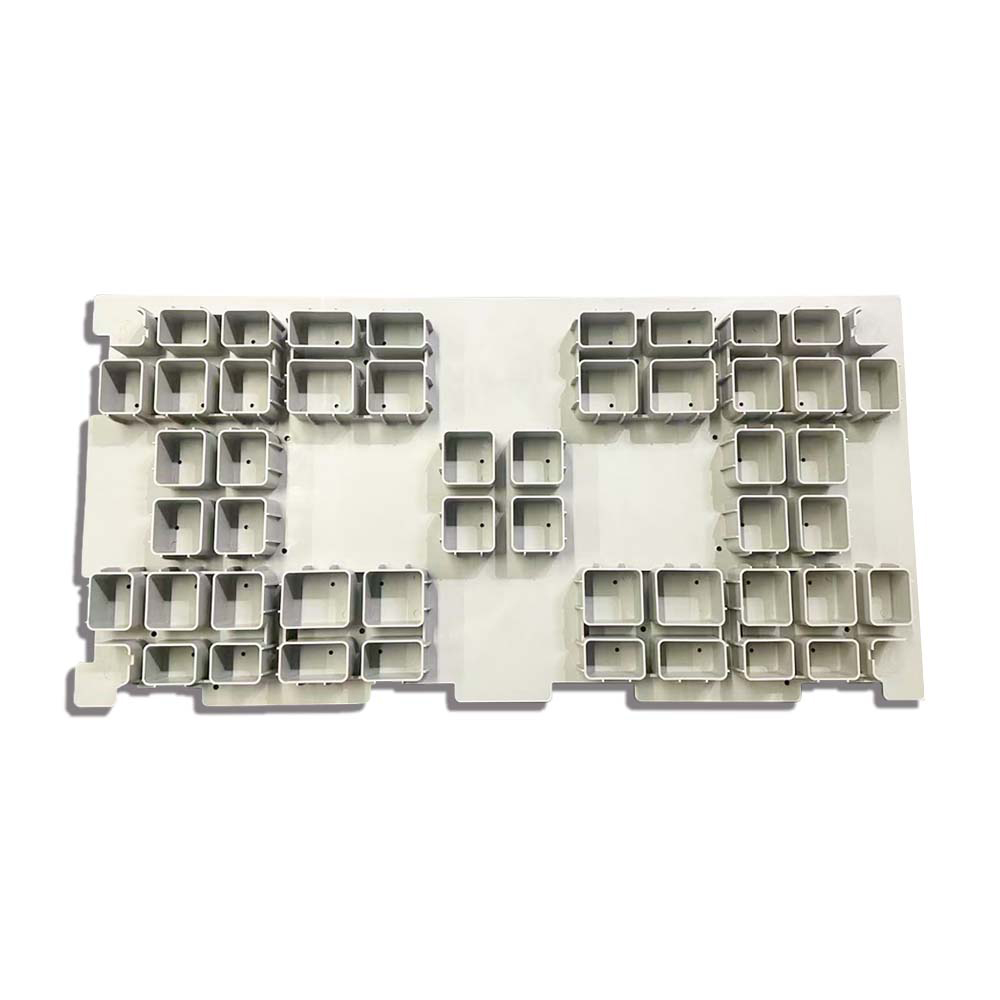
Why Turf Breathability Is Critical in Synthetic Stadiums Turf Protection
The Science of Gas Exchange: How Oxygen, CO₂, and Moisture Flow Sustain Surface Integrity
Synthetic turf systems depend on continuous gas exchange to preserve structural integrity and long-term performance. Oxygen must reach the infill and backing layers to sustain beneficial microbial activity and prevent anaerobic conditions that accelerate material degradation. Simultaneously, carbon dioxide and moisture vapor require unimpeded escape paths—otherwise, trapped humidity promotes fiber fatigue, adhesive failure, and mold growth. A breathable base enables natural air circulation, moderating subsurface temperatures and minimizing condensation. This airflow also helps disperse volatile organic compounds (VOCs) released during high-heat exposure. Without adequate permeability, the turf functions as a thermal and moisture barrier, intensifying heat retention and degrading component resilience. Crucially, the backing layer’s perforation pattern governs this balance: larger or more frequent holes enhance ventilation but must be engineered alongside drainage capacity. Field data from installations with optimized breathability consistently show improved fiber longevity and reduced replacement frequency.
Consequences of Poor Breathability: Compaction, Heat Buildup, and Accelerated Degradation
Restricted airflow triggers three interrelated failures that compromise synthetic stadiums turf protection. Compacted infill reduces pore space, stifling gas exchange and trapping heat—surface temperatures can rise up to 7°C above breathable alternatives, hastening polymer breakdown in fibers and backing. Trapped moisture fosters mold development and delamination between layers, while diminishing shock absorption increases athlete injury risk. Over time, the system becomes harder and less responsive as heat-induced rigidity sets into the backing. These compounding effects shorten service life and drive up lifecycle costs through premature replacement. Integrating breathability at the design stage is not optional—it’s foundational to durability, safety, and cost efficiency.
Key Components Enabling Breathability in Synthetic Stadiums Turf Protection Systems
Perforated Backing Layers: Design Standards for Optimal Air and Water Permeability
The backing layer is the primary enabler of breathability in synthetic stadiums turf protection. Modern perforated backings use a multi-layer architecture—typically a woven polypropylene primary layer, a polyurethane secondary layer, and an optional tertiary shock-absorption layer—to create controlled micro-channels that facilitate bidirectional movement of oxygen, CO₂, and moisture vapor. Industry design standards now specify a minimum open area of 15–20% across the backing surface, ensuring sufficient airflow without sacrificing fiber anchorage strength. These systems achieve water permeation rates exceeding 30 inches per hour—40% faster than legacy single-layer latex backings—while actively preventing moisture entrapment and associated anaerobic decay.
Infill Selection Matrix: Silica Sand, TPE, and Hybrid Blends Ranked by Porosity and Thermal Conductivity
Infill composition directly influences both thermal behavior and air movement through the turf profile. Silica sand offers the highest porosity (35–40%), supporting strong drainage and gas exchange, though its moderate thermal conductivity can contribute to heat retention. TPE (thermoplastic elastomer) infill delivers superior thermal regulation due to its lower conductivity coefficient, reducing surface temperatures by 2–4°C versus crumb rubber. Hybrid blends strategically combine silica sand’s drainage advantages with TPE’s cooling properties, achieving balanced porosity (30–35%) and enhanced heat dissipation—making them especially effective under high-traffic, high-heat conditions. Selecting the right infill matrix ensures breathability remains functional over time and supports full compliance with ASTM F2772 for athletic safety and performance.
Performance Outcomes: Linking Breathability to Real-World Benefits
Heat Mitigation: Measured Surface Temperature Reductions (3–7°C) in High-Breathability Installations
Breathable synthetic turf delivers measurable thermal relief in real-world stadium environments. Installations designed with optimized airflow consistently record surface temperature reductions of 3–7°C compared to conventional systems during peak usage hours. This mitigation lowers player core temperature stress, delays polymer fatigue, and sustains consistent playability—even during extended summer events or midday competitions.
Drainage Efficiency: Achieving ≥1,200 mm/hr Permeability While Supporting ASTM F2772 Compliance
High-breathability systems deliver exceptional dual functionality: they maintain rapid water evacuation and uphold critical performance benchmarks. Advanced turf constructions achieve permeability rates of ≥1,200 mm/hr—well above the 800 mm/hr minimum required by ASTM F2772—ensuring surfaces remain playable during and immediately after heavy rainfall. This level of drainage efficiency, combined with robust airflow, preserves surface stability, minimizes hydroplaning risk, and reinforces long-term structural integrity.
| Performance Metric | Minimum Standard | High-Breathability Outcome |
|---|---|---|
| Permeability Rate | 800 mm/hr | ≥1,200 mm/hr |
| Thermal Regulation | - | 3–7°C reduction |
| Compliance Certification | ASTM F2772 | Full compliance |
FAQs
Why is breathability essential for synthetic turf protection?
Breathability ensures proper gas exchange, controls subsurface moisture, reduces heat retention, and mitigates material degradation, prolonging the life of the synthetic turf system.
What happens when synthetic turf lacks breathability?
Poor breathability leads to compaction, mold growth, heat-induced degradation, and reduced shock absorption, ultimately shortening the turf's lifespan and increasing replacement costs.
How do perforated backing layers enhance breathability?
Perforated backing layers create micro-channels for bidirectional airflow, ensuring oxygen, CO₂, and moisture can move freely, while maintaining water drainage efficiency and anchor strength.
What is the role of infill composition in turf breathability?
Infill composition affects porosity and thermal conductivity. Silica sand promotes drainage, while TPE improves cooling, and hybrid blends combine both benefits for better performance.
How does breathability improve athletic safety and performance?
Enhanced airflow reduces surface temperatures, prevents rigidity, and ensures compliance with ASTM F2772 standards, improving playability and reducing injury risks.