 EN
 AR
 FR
 PT
 RU
 ES
 BG
 HR
 CS
 DA
 NL
 FI
 DE
 EL
 HI
 IT
 JA
 KO
 NO
 PL
 RO
 SV
 CA
 TL
 ID
 SR
 SK
 UK
 VI
 HU
 TH
 TR
 MS
 AZ
 KA
 BN
 LO
 MN
 MY
 UZ


 EN
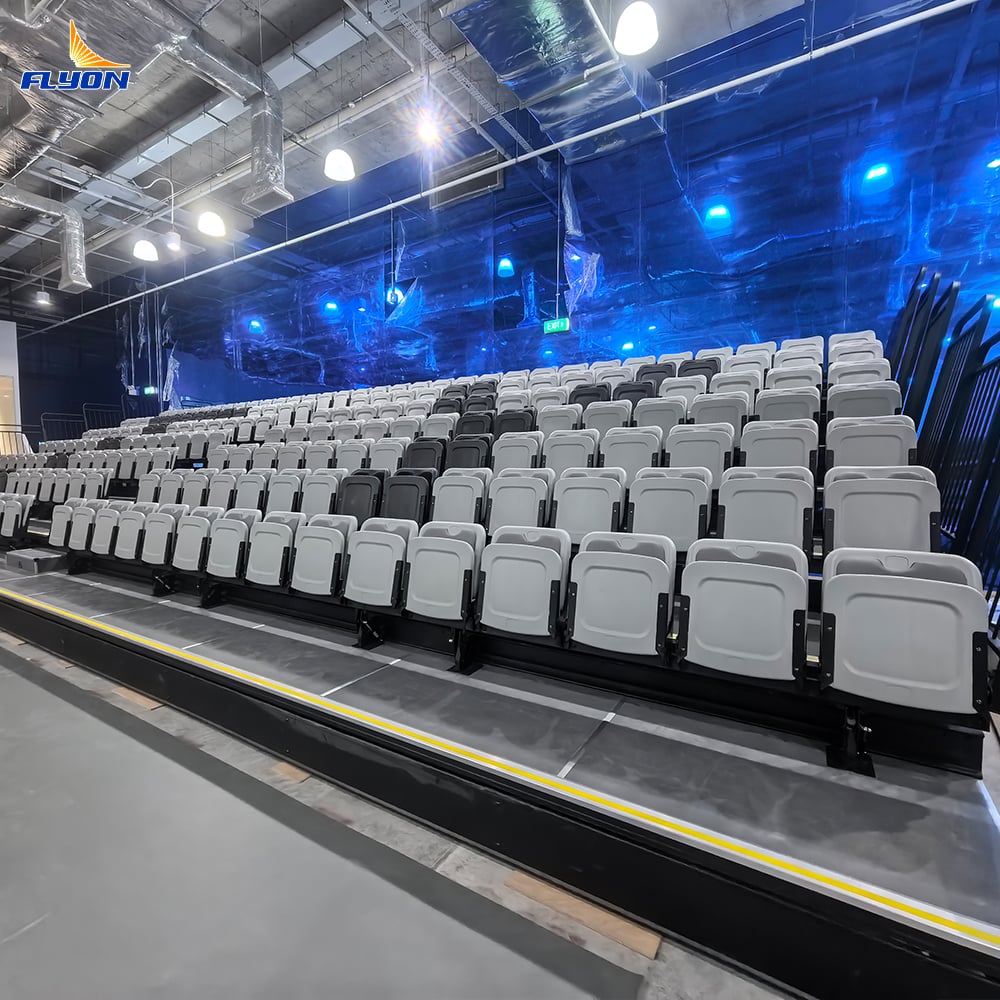
Why Folding Stadium Chairs Are the Optimal Seating Solution for Modern School Gyms
Meeting evolving facility demands: Multipurpose use in K–12 gymnasiums
Modern K–12 gymnasiums serve as athletic venues, assembly halls, exam spaces, and community event centers—often within the same week. Fixed bleachers hinder rapid transitions; folding stadium chairs enable a gym to shift from a volleyball match to graduation or a science fair in minutes. This agility is critical in aging school buildings where every square foot must support multiple programs. Integrated nesting, mobility features, and intuitive storage allow custodial staff to deploy or stow seating without specialized tools. Facility directors report measurable reductions in setup time and scheduling conflicts. When thoughtfully deployed, these systems function as a flexible asset across physical education, performing arts, and public events—letting schools align seating capacity precisely with demand rather than reserving permanent space for occasional peak use.
Ensuring safety, accessibility, and full ADA compliance
Safety starts with stable, non-slip footing and rounded edges—but true compliance requires intentional design. Folding stadium chairs built for K–12 environments must meet ADA standards for accessible routes, seat dimensions, companion seating, and integrated wheelchair positions. Removable or fold-down armrests and designated, level-accessible spaces ensure inclusive layouts during assemblies and games. Because units can be arranged to preserve clear egress paths, they support safe evacuation without compromising spectator capacity. Maintenance teams should inspect locking mechanisms and frame joints before each deployment. As emphasized by the U.S. Access Board, accessible seating must be integrated, not isolated—a goal readily achieved with portable systems in multipurpose venues. Some districts specify models with high-contrast aisle edging and slip-resistant treads to further reduce fall risk. Pairing compliant hardware with brief, standardized training for setup crews minimizes misuse-related injuries.
Durability and Low Maintenance: Built for High-Traffic Educational Environments
Robust construction: Powder-coated steel frames and UV-stabilized polypropylene seating
Folding stadium chairs in school gyms face daily student use, equipment impacts, and repeated folding cycles. Powder-coated steel frames deliver corrosion resistance, scratch durability, and long-term structural integrity—especially at pivot points and bolted joints exposed to humidity. UV-stabilized polypropylene seats and backs retain color, flexibility, and impact resistance even near sunlit courts or windows, preventing brittleness or warping over time. The result is safe, comfortable seating that maintains performance across thousands of deployments. Maintenance is equally straightforward: smooth surfaces wipe clean with mild detergent; no upholstery, padding, or wood components trap odors or require refinishing. For district facility managers, this translates to fewer repairs, consistent appearance, and extended service life—supporting both ADA-compliant sightlines and long-term budget goals.
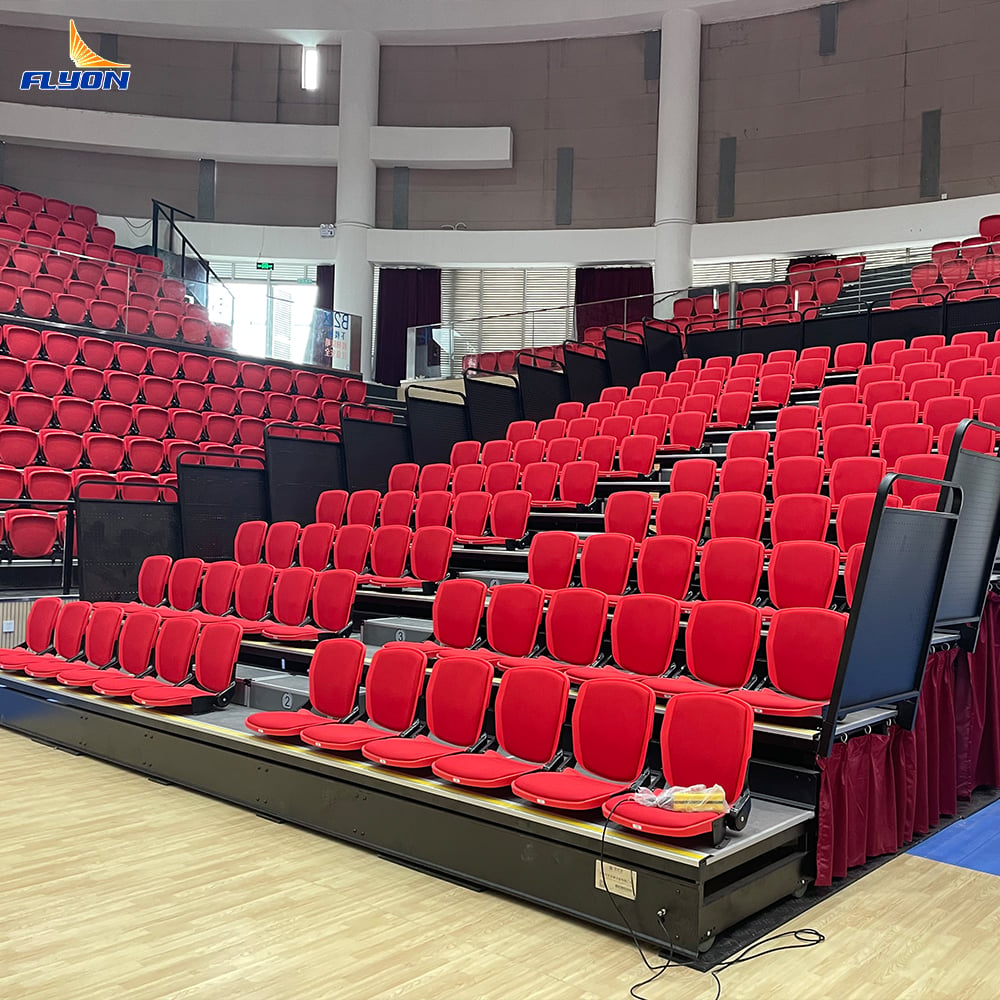
Space Efficiency: Smart Storage and Flexible Layout Options
Solving storage deficits: How folding stadium chairs reclaim up to 28% of gym floor space
Fixed bleachers occupy valuable square footage year-round—even when idle. Folding stadium chairs reverse that inefficiency. When collapsed or rolled away, they fully liberate the court, walkways, and warm-up zones. Facility audits across K–12 gymnasiums show folding and retractable systems reclaim 20–28% of total floor space compared to permanent tiered seating. That recovered area supports daily PE instruction, lunch service, and community rentals. Because units fold flat or roll on locking casters, staff can transition from assembly mode to open play in under five minutes—reducing scheduling bottlenecks and increasing overall facility utilization without sacrificing spectator capacity. Success hinges on selecting systems with smooth, reliable folding mechanisms and clearly defined storage lanes.
Configurable deployment: Nesting, stacking, and wall-mounted solutions
One size doesn’t fit all gym layouts. Leading manufacturers offer three proven deployment formats:
- Nesting chairs, which slide together into compact rows and store flush against walls, ideal for gyms with narrow corridors or limited alcoves;
- Stacking chairs, which collapse vertically and move efficiently on dollies to closets or storage rooms;
- Wall-mounted units, which fold flat against high walls—preserving 100% of floor space when not in use.
Each option accommodates different ceiling heights, door widths, and staff availability. Facility managers should weigh daily transition time, floor protection needs, and existing storage infrastructure—not just initial cost—when selecting the right system. The optimal choice keeps the gym consistently available for instruction, practice, and community engagement.
Total Cost of Ownership and Funding Alignment for School Districts
5-year TCO advantage over permanent bleachers
Total Cost of Ownership (TCO) includes acquisition, installation, cleaning, repair, storage, and replacement over time. For most K–12 gymnasiums, folding stadium chairs demonstrate a clear five-year TCO advantage over permanent bleachers. Their modular design allows targeted replacement of damaged seats or sections—avoiding costly full-row rebuilds. Cleaning is faster and more thorough, since floors remain fully accessible. Installation is less disruptive: pre-assembled steel frames minimize on-site labor and downtime. Facility management benchmarks (2023) indicate folding units can reduce total seating-related costs by 12–18% over five years—driven primarily by lower labor, parts, and floor-access expenses.
| Cost factor | Folding stadium chairs | Permanent bleachers |
|---|---|---|
| Initial setup | Lower freight and faster installation | Heavier materials, longer site work |
| Repair | Modular seat/frame replacement | Full-row or welded-section repair |
| Floor access | Folding units expose floors for cleaning | Fixed understructure blocks access |
| Five-year TCO | Often 12–18% lower | Higher labor and replacement costs |
Leveraging ESSER and facility modernization grants for folding stadium chairs
Many districts have successfully funded folding stadium chairs through ESSER (Elementary and Secondary School Emergency Relief) allocations and state facility modernization grants. These programs prioritize investments that enhance safety, adaptability, and operational resilience—exactly what flexible seating delivers. To strengthen applications, facility directors should submit documented five-year TCO analyses, manufacturer warranty details, and maintenance schedules. Grant reviewers also value evidence linking seating to broader priorities: improved cleanability supports health protocols; reconfigurability enables physical distancing and indoor air circulation planning; and multipurpose use expands community access. Framing folding chairs not as an equipment purchase—but as a strategic facility upgrade—helps districts reduce local capital burden and accelerate approval.
FAQ
Why are folding stadium chairs suitable for modern school gyms?
Folding stadium chairs are versatile, portable, and space-efficient, making them perfect for multipurpose school gymnasiums. They allow quick transitions between events such as sports games, assemblies, exams, or community gatherings.
How do folding stadium chairs support ADA compliance?
These chairs are designed with ADA standards in mind, offering accessible routes, seat dimensions, companion seating, and integrated wheelchair positions, ensuring that layouts are inclusive and safe.
Are folding stadium chairs durable for high-traffic environments?
Yes. With powder-coated steel frames and UV-stabilized polypropylene seats, folding stadium chairs are built to withstand daily student use, environmental exposure, and frequent folding.
Can folding stadium chairs save gym floor space?
Absolutely! Folding stadium chairs can reclaim up to 28% of gym floor space by folding flat, nesting, stacking, or mounting on walls, allowing for flexible usage of gymnasiums.
Are folding stadium chairs cost-effective?
Yes. Folding stadium chairs demonstrate a 12–18% cost advantage in Total Cost of Ownership (TCO) over five years compared to permanent bleachers. They also allow for targeted repairs and require less labor and maintenance.
How can schools finance the purchase of folding stadium chairs?
Schools can utilize ESSER funds and state facility modernization grants to purchase these chairs. Documenting cost-efficiency, maintenance plans, and alignment with broader benefits can aid in grant application approval.
Table of Contents
-
Why Folding Stadium Chairs Are the Optimal Seating Solution for Modern School Gyms
- Meeting evolving facility demands: Multipurpose use in K–12 gymnasiums
- Ensuring safety, accessibility, and full ADA compliance
- Durability and Low Maintenance: Built for High-Traffic Educational Environments
- Space Efficiency: Smart Storage and Flexible Layout Options
- Total Cost of Ownership and Funding Alignment for School Districts
- FAQ