 EN
 AR
 FR
 PT
 RU
 ES
 BG
 HR
 CS
 DA
 NL
 FI
 DE
 EL
 HI
 IT
 JA
 KO
 NO
 PL
 RO
 SV
 CA
 TL
 ID
 SR
 SK
 UK
 VI
 HU
 TH
 TR
 MS
 AZ
 KA
 BN
 LO
 MN
 MY
 UZ


 EN
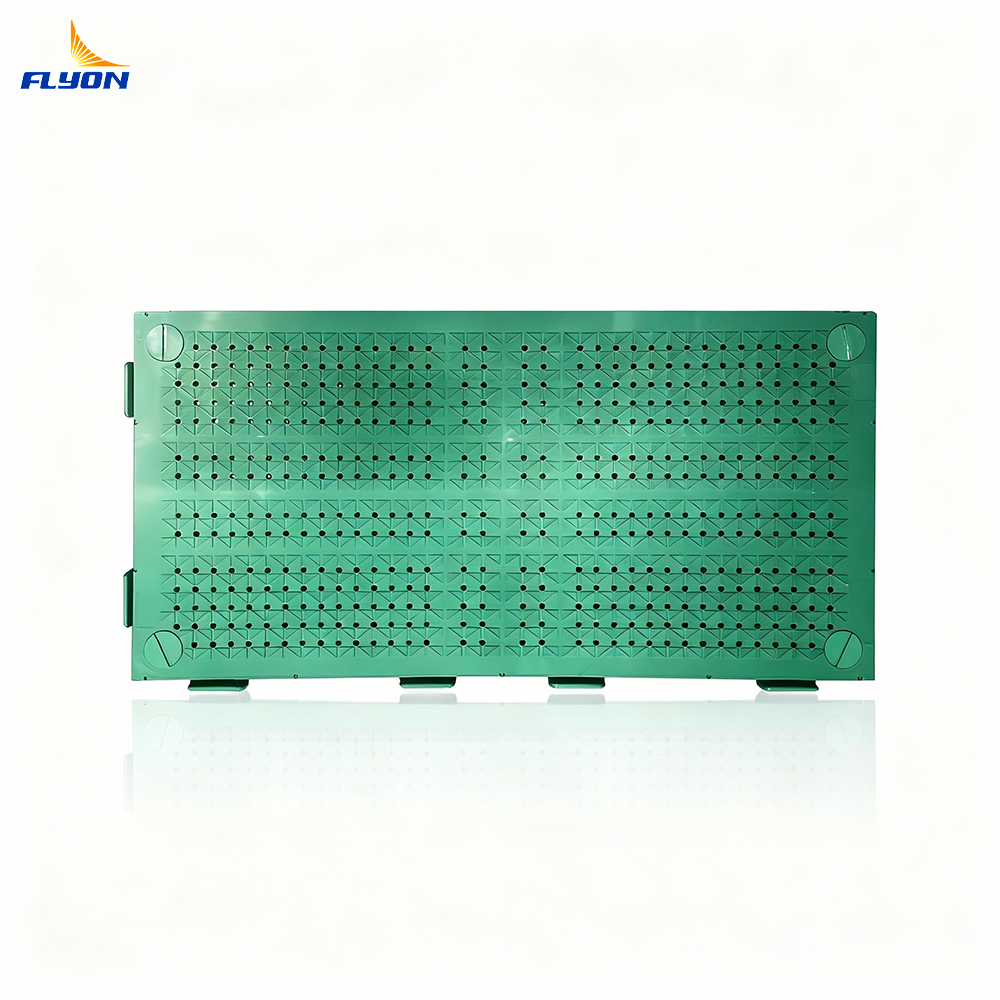
How Do High-Quality Grass Protection Mats Preserve Lawns During Sports Events?
A sports venue's turf is a playing asset, and its condition is visible to every spectator, broadcaster, and visiting team. Concerts, ceremonies, corporate events, and even heavy training loads put that asset at risk, and the damage is measured in re-sodding costs, postponed fixtures, and reputational damage that outlasts the event itself. High-quality grass protection mats preserve lawns during sports events by distributing loads that would otherwise rut and compact the surface, while allowing light and water to keep the root zone alive under cover. The protection system is chosen for the load it must carry and the recovery the turf must achieve, and those two requirements drive every specification decision.
Real-World Industry Case / Scenario
A Stadium Hosting Concerts and Matches
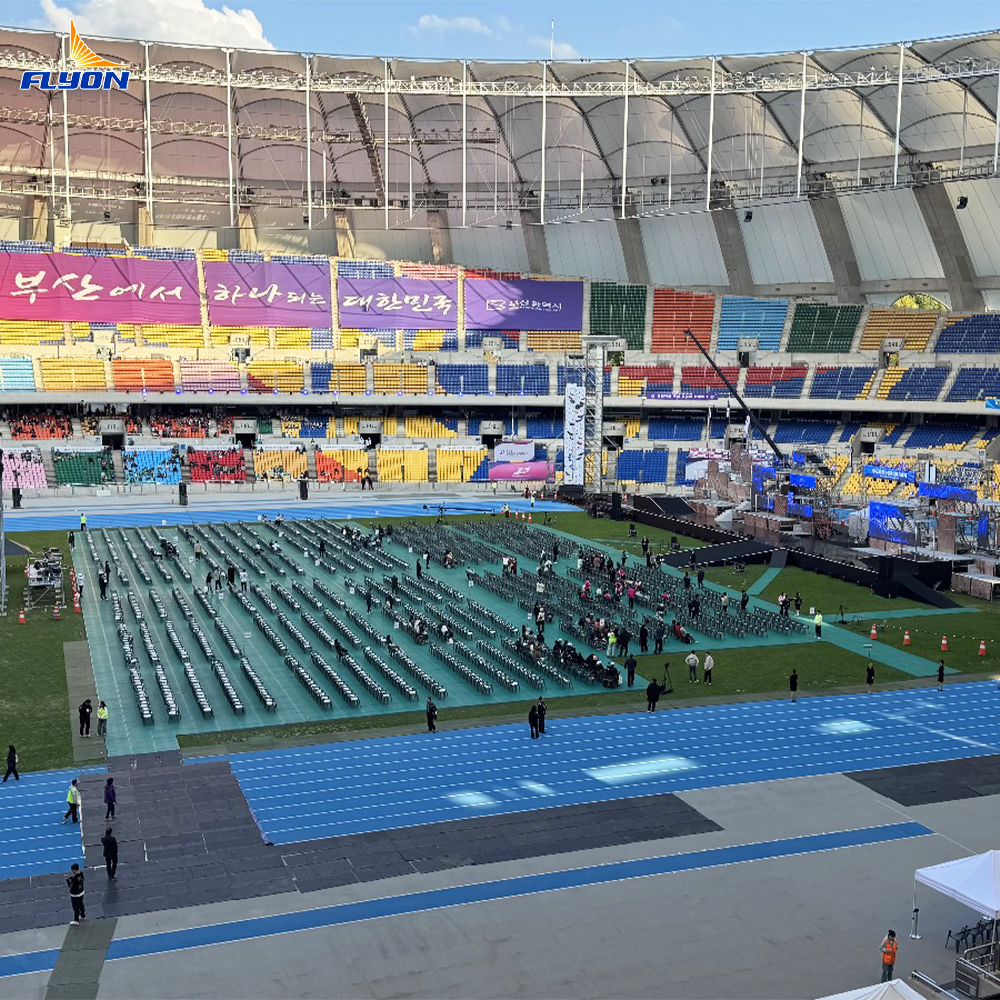
A multi-use stadium hosting both fixtures and summer concerts documented turf condition across two event seasons. In the first season, concert staging and vehicle routes ran on plywood and unprotected turf. The pitch showed rutting along vehicle routes, compaction in staging areas, and wear patterns where foot traffic concentrated. Recovery took weeks of intensive maintenance, and two early-season fixtures were relocated because surface quality was below the club's standard. In the second season, the stadium deployed a full system of grass protection mats across vehicle routes, staging footprints, and pedestrian corridors.
The difference was measurable. Vehicle route rutting disappeared entirely under the mats, since load spread across the mat footprint instead of concentrating at tire contact patches. Staging areas showed surface wear but no compaction, and the permeable mats allowed irrigation and rainfall to reach the turf throughout the covered period. Recovery time after the concert season shortened from weeks to days of routine maintenance, and no fixtures were relocated. The stadium's grounds team attributed the result to load distribution and permeability working together, and the club incorporated the grass protection mats into its standard event budget.
Risk & Failure Mode Analysis
Rutting, Compaction, and Wear Patterns
Turf damage from events follows predictable patterns. Rutting appears where vehicles turn or brake, because lateral forces concentrate at the contact patch. Compaction develops under static loads such as staging, equipment pads, and crowd barriers, where sustained pressure closes soil pores and reduces infiltration. Wear patterns emerge where pedestrian traffic funnels through narrow points, scuffing the surface and exposing soil. Each pattern responds to a different protection measure: routed matting with turning zones for vehicles, load-rated mats under static equipment, and continuous pedestrian corridors for foot traffic. Grass protection mats designed without these distinctions leave the predictable damage to occur exactly where expected.
The heaviest damage often comes from point loads rather than distributed traffic. Stage footings, generator pads, satellite trucks, and cooling equipment concentrate weight on small areas, and unprotected turf fails immediately beneath them. Grass protection mats rated for the specific static load are the standard mitigation, with load ratings verified against equipment weights rather than assumed. Chemical risks accompany physical ones: fuel, hydraulic fluid, and stage chemicals stain and kill turf on contact, so drip trays and containment belong in the event plan alongside the grass protection mats. A complete protection strategy addresses load, containment, and traffic as separate controls.
Technical Principles & Standard Compliance
How Protection Preserves the Root Zone
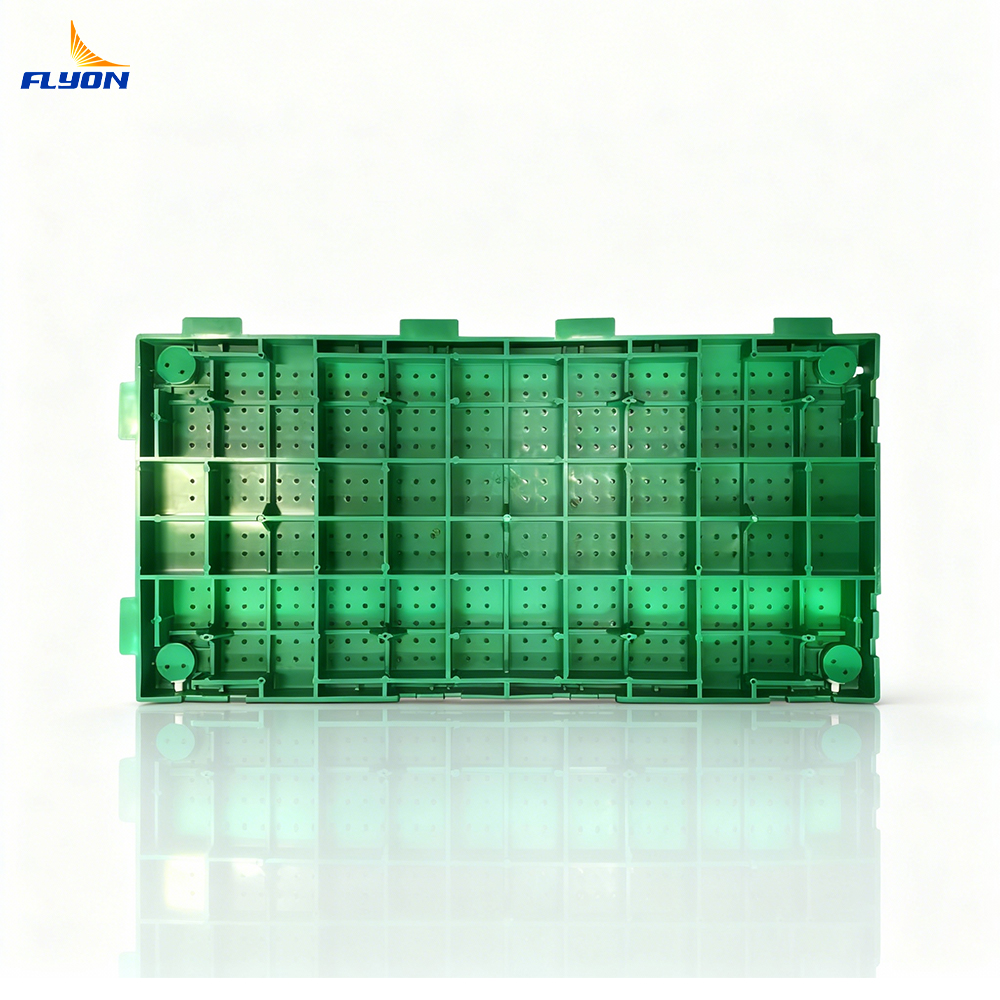
Turf health depends on the root zone, and root zones fail through mechanical and physiological routes. Mechanical failure is rutting and compaction, which grass protection mats address by distributing load over a larger area and reducing peak ground pressure below the turf's tolerance. Physiological failure occurs when cover blocks light and water for extended periods, starving the grass and inviting disease. Permeable grass protection mats address the second route while managing the first. The combined effect is turf that survives the event and recovers quickly afterward, which is the outcome venues actually purchase.
Permeability, Light, and Recovery Time
Permeability specifications matter as much as load ratings. Grass protection mats that pass light and water keep photosynthesis and irrigation active under cover, and they prevent the anaerobic conditions that produce disease in covered turf. Recovery time after removal depends on how well the root zone was maintained during the event, which is why venues with permeable grass protection mats return to play faster than venues with solid coverings. Where events span multiple days, the difference compounds, and the grounds team's workload after removal becomes the metric that justifies the specification.
Actionable Buyer & Maintenance Guide
Specifying Grass Protection Mats
Specification begins with the event load map: vehicle routes and weights, static equipment locations and footprints, pedestrian volumes, and duration of cover. Vehicle routes require grass protection mats rated for the heaviest vehicle with margin, plus turning-zone treatment where lateral loads concentrate. Static loads require mats with verified static ratings, and long-duration cover requires high permeability. Installation planning should include edge securing, gap management, and marked corridors that keep traffic on protected routes. Suppliers of sports event ground protection such as Shenzhen-based Flyon Sport provide load ratings and permeability data that allow grass protection mats to be matched to specific products.
Installation and Removal Discipline
Grass protection mats perform only as well as their installation. Gaps between mats concentrate wheel load and defeat the distribution the mat provides, so interlock engagement must be complete along every route. Edges at traffic entry points need securing against curl and displacement, and pedestrian corridors need edge treatment against trips. Removal discipline matters as much as installation: grass protection mats should be lifted rather than dragged, since dragging scuffs turf and damages the mats. Post-event inspection of the turf beneath the mats identifies any wear early, while the surface is still responsive to remedial treatment.
Frequently Asked Questions
Question 1: How much weight can grass protection mats support?
Answer: Load ratings vary by mat design, thickness, and material, and they are published per product for both rolling vehicle loads and static loads. Vehicle routes require rating for the heaviest vehicle with margin, and static equipment such as staging or generators requires a verified static rating rather than a rolling rating. The load map for the event should be matched to published ratings before purchase of grass protection mats rather than estimated on site.
Question 2: How long can turf stay covered without damage?
Answer: With permeable mats that pass light and water, turf can remain covered for the duration of most events, including multi-day festivals, with recovery measured in days of routine maintenance. Solid or impermeable coverings cause physiological damage within days, since blocked light and water starve the root zone. Permeability percentage and light transmission are therefore stated specifications when selecting grass protection mats.
Question 3: Do protection mats work for pedestrian traffic as well as vehicles?
Answer: Yes, but pedestrian and vehicle routes are different specifications. Pedestrian corridors need continuous coverage, secure edges, and trip-free transitions, while vehicle routes need load ratings, turning-zone treatment, and gap management. Mixing a pedestrian mat into a vehicle route fails under load, and using a heavy vehicle mat for pedestrians wastes money and handling labor. Load mapping separates the two requirements before grass protection mats are selected.
Question 4: What should be inspected after an event on protected turf?
Answer: Inspect the turf beneath the grass protection mats for wear points, particularly at traffic entry, turning zones, and static load locations, since early intervention while the surface is still responsive prevents lasting damage. Check the mats themselves for cracks, warping, and damaged interlocks before returning them to inventory. Record recovery time and any remedial treatment, since that data validates the protection specification for future events.