 EN
EN
 AR
AR
 FR
FR
 PT
PT
 RU
RU
 ES
ES
 BG
BG
 HR
HR
 CS
CS
 DA
DA
 NL
NL
 FI
FI
 DE
DE
 EL
EL
 HI
HI
 IT
IT
 JA
JA
 KO
KO
 NO
NO
 PL
PL
 RO
RO
 SV
SV
 CA
CA
 TL
TL
 ID
ID
 SR
SR
 SK
SK
 UK
UK
 VI
VI
 HU
HU
 TH
TH
 TR
TR
 MS
MS
 AZ
AZ
 KA
KA
 BN
BN
 LO
LO
 MN
MN
 MY
MY
 UZ
UZ


 EN
EN
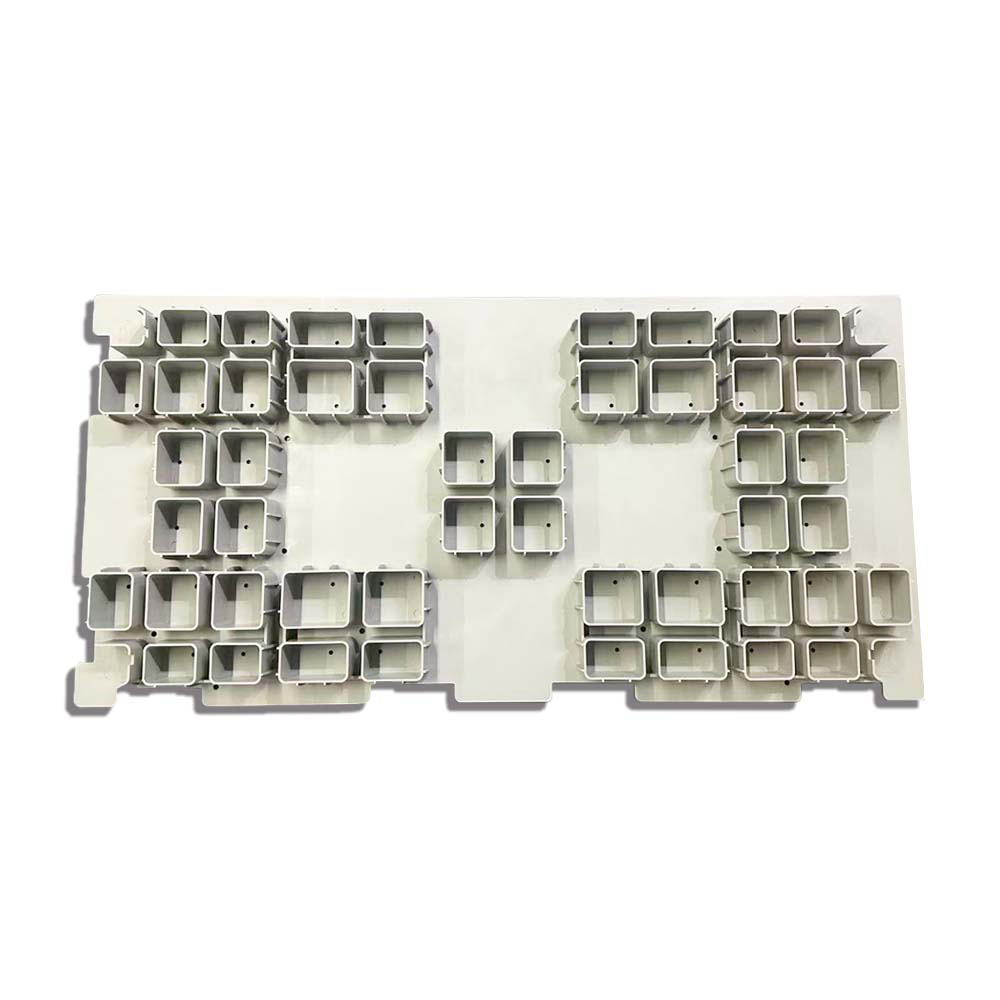
Why Lightweight Composite Mats Excel in Rapid Deployment Logistics
Material Science Advantage: High Strength-to-Weight Ratio and Modular Interlocking Design
Lightweight composite mats leverage advanced material science—integrating high-strength fibers with durable polymer resins—to deliver steel-equivalent load-bearing capacity at less than 20% of the weight. This exceptional strength-to-weight ratio eliminates reliance on cranes or forklifts; a single worker can carry and position a standard mat manually. Their modular interlocking design enables tool-free, secure connection in seconds, forming a continuous, stable surface without the time-intensive bolting, leveling, or alignment required by timber mats. Field teams can lay temporary roads or worksite pads at walking pace—making composite mats the optimal solution for emergency response, military operations, and remote construction where speed, minimal manpower, and operational agility are critical.
Real-World Impact: U.S. Army Corps of Engineers Cut Site Setup Time by 67% with Composite Mats
The U.S. Army Corps of Engineers validated this advantage in a controlled field trial: switching from timber to lightweight composite mats reduced site setup time by 67%. That translated to hours saved per deployment—reducing crew exposure to environmental hazards and accelerating mission readiness. Weight savings also enabled smaller transport vehicles and fewer trips, lowering fuel use and logistical overhead. Crucially, the interlocking system allowed mats to be unloaded directly from trucks and laid in sequence—no staging area needed. This real-world result confirms that composite mats deliver not just theoretical efficiency, but measurable, mission-critical speed gains where infrastructure must be established in hours—not days.
Transport Efficiency: How Composite Mats Streamline Logistics and Field Deployment
Standardized Palletization and Helicopter-Sling Compatibility for All-Terrain Access
Composite mats are engineered to standard 4 ft × 8 ft pallet dimensions, enabling dense, stable stacking across flatbed trucks, cargo aircraft, and ISO shipping containers. At roughly 120 lb per mat—just one-sixth the weight of a comparable timber mat—they maximize payload efficiency. A single CH-47 Chinook helicopter can sling up to 30 mats per flight, thanks to integrated side rails and central lift points that ensure rigging stability even in high winds. Their uniform footprint eliminates custom rigging, while direct-sling capability provides unimpeded access to swamps, mountains, and disaster zones inaccessible to ground vehicles—cutting delivery time by up to 40% and removing secondary transloading entirely.
Fleet Integration Protocols for Seamless Dispatch and On-Site Assembly
Composite mat systems integrate natively into existing logistics infrastructure. Standardized tie-down slots and stacking frames align precisely with military 463L pallet rails, commercial flatbed stake pockets, and container corner castings—requiring no vehicle modification. Dispatch teams pre-configure loads using digital site blueprints, and on-site assembly follows an intuitive, color-coded interlocking system that needs no tools or specialized training. A crew of four can install a 200-ft temporary road in under two hours—less than one-quarter the time required for timber mats. Pre-deployment checklists and illustrated assembly guides minimize first-time errors, and full disassembly and reload can be completed within a single shift—keeping deployment cycles tight and operational tempo high.
Total Cost of Ownership: Why Composite Mats Outperform Timber and Steel Alternatives
42% Lower Lifetime Logistics Expenditure vs. Traditional Mats (Per ASTM D7566-22)
Composite mats reduce total cost of ownership by up to 42% over their lifecycle compared to timber or steel alternatives, as verified in ASTM D7566-22. This stems from three core advantages: dramatically lower transportation costs due to ultra-lightweight construction; near-zero maintenance requirements; and extended service life. Unlike timber mats—which degrade rapidly in moisture, UV, or freeze-thaw conditions—or steel mats, which demand ongoing corrosion mitigation and are vulnerable to impact damage—composite mats retain structural integrity for years across extreme environments. The elimination of frequent repairs, anti-corrosion treatments, and premature replacements delivers consistent, predictable budget relief across large-scale, multi-year deployments.
Key Applications Driving Demand for Lightweight Composite Mats
Lightweight composite mats are transforming temporary surface solutions across sectors defined by urgency, terrain constraints, and environmental sensitivity. In construction and infrastructure, they provide instant, low-impact access roads over soft soils and wetlands—protecting both equipment and ecologically sensitive ground. Event managers deploy them for high-traffic staging, parking, and pedestrian routes that install and remove in hours, minimizing disruption and site restoration costs. In renewable energy, they serve as repositionable assembly pads for wind turbine components and durable access corridors across expansive solar farms. For military logistics, their helicopter-portability enables forward operating bases and expeditionary landing zones to be established in minutes—not days. And in emergency response, they form rapid-deploy corridors for search-and-rescue, medical staging, and supply distribution in flood, earthquake, or wildfire zones. This convergence of speed, versatility, and resilience continues to accelerate adoption across temporary access, clean energy, and national security applications.
FAQ
What makes lightweight composite mats superior to traditional mats?
Lightweight composite mats are superior due to their high strength-to-weight ratio, modular interlocking design, and significantly reduced transportation and deployment time compared to timber and steel alternatives.
How do composite mats improve logistics efficiency?
Composite mats improve logistics efficiency through standardized palletization, helicopter-sling compatibility, and seamless integration with existing logistics infrastructure, enabling faster deployment and lower transport costs.
What is the lifetime cost advantage of using composite mats?
Composite mats reduce total cost of ownership by up to 42% due to lower transportation costs, minimal maintenance, and extended durability compared to traditional timber or steel mats.
In which industries are composite mats commonly used?
Composite mats are used in construction, renewable energy, military logistics, events, and emergency response operations for temporary roadways, staging areas, and infrastructure access.
Are composite mats eco-friendly?
Yes, composite mats are eco-friendly as they protect ecologically sensitive terrains and require less fuel for transport, reducing their overall environmental impact.
Table of Contents
- Why Lightweight Composite Mats Excel in Rapid Deployment Logistics
- Transport Efficiency: How Composite Mats Streamline Logistics and Field Deployment
- Total Cost of Ownership: Why Composite Mats Outperform Timber and Steel Alternatives
- Key Applications Driving Demand for Lightweight Composite Mats
- FAQ