 EN
EN
 AR
AR
 FR
FR
 PT
PT
 RU
RU
 ES
ES
 BG
BG
 HR
HR
 CS
CS
 DA
DA
 NL
NL
 FI
FI
 DE
DE
 EL
EL
 HI
HI
 IT
IT
 JA
JA
 KO
KO
 NO
NO
 PL
PL
 RO
RO
 SV
SV
 CA
CA
 TL
TL
 ID
ID
 SR
SR
 SK
SK
 UK
UK
 VI
VI
 HU
HU
 TH
TH
 TR
TR
 MS
MS
 AZ
AZ
 KA
KA
 BN
BN
 LO
LO
 MN
MN
 MY
MY
 UZ
UZ


 EN
EN
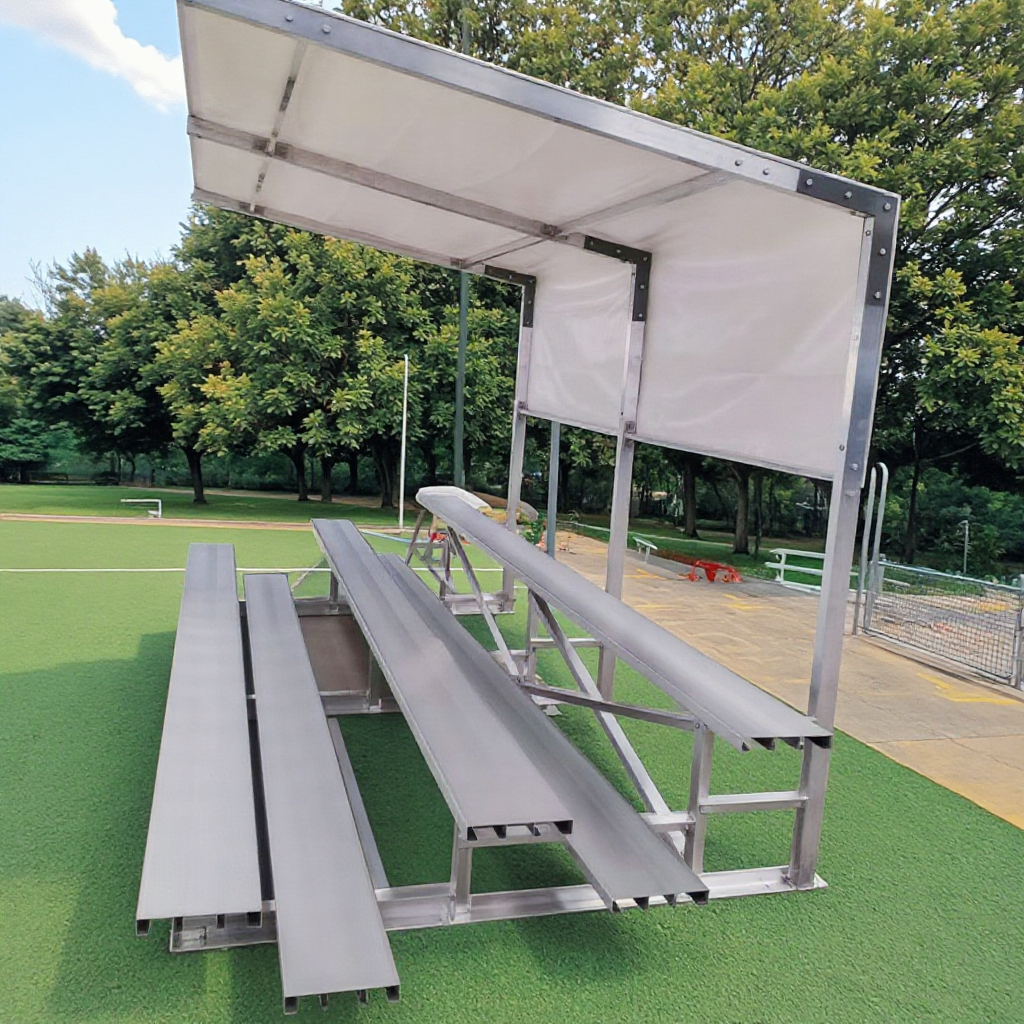
Pre-Installation Planning for Grandstand Structural Integrity
Site Assessment: Ground Conditions, Drainage, and Load-Bearing Capacity
A rigorous site assessment is the foundational step in ensuring long-term grandstand integrity. Engineers must evaluate soil type, compaction, groundwater levels, and the presence of underground utilities—factors that directly influence settlement risk and foundation stability. Poorly drained or expansive soils, for example, can cause differential movement that stresses structural connections and compromises spectator safety. A certified geotechnical survey determines the site’s load-bearing capacity, informing decisions on foundation depth, reinforcement needs (e.g., gravel piers or micropiles), and whether deep foundations are required. Addressing drainage early—through grading, French drains, or perforated pipe systems—prevents water accumulation that accelerates steel corrosion and undermines concrete durability. These assessments not only prevent costly redesigns and construction delays but also reduce lifecycle maintenance costs and extend service life by decades.
Engineering Compliance: Anchoring Systems and Local Building Code Alignment
Engineering compliance must be embedded into design—not treated as an afterthought. Anchoring systems must be engineered to resist uplift from wind loads (per ASCE 7 standards) and lateral forces from crowd-induced sway, with safety factors calibrated to local seismic and climatic conditions. Anchor solutions range from cast-in-place concrete footings for permanent structures to helical ground screws for modular or temporary installations—each selected based on verified soil data and code-mandated load paths. Local building authorities enforce jurisdiction-specific requirements for egress width, railing height, live load allowances (typically 100 psf minimum per IBC), and accessibility under ADA or EN 17210. Securing permits and scheduling third-party structural reviews before installation begins avoids stop-work orders and ensures traceable conformance. Comprehensive documentation—including stamped calculations, material certifications, and inspection sign-offs—supports both regulatory audits and future maintenance planning.
Grandstand Installation Methods: Modular vs. Permanent Solutions
Advantages, Limitations, and Use-Case Fit for Each Approach
The choice between modular and permanent grandstands should align with operational priorities—not just budget. Modular systems excel in flexibility: they deploy rapidly (often in under 72 hours), relocate efficiently across venues, and scale incrementally for seasonal or multi-event facilities. Their standardized components simplify inventory management and reduce skilled labor dependency during setup. However, repeated assembly cycles increase wear on connection hardware, necessitating more frequent torque verification and visual inspections—especially at hinge points and base plates. Permanent grandstands deliver unmatched rigidity, higher seating density, and seamless integration of amenities like lighting, sound, and accessibility features. They support heavier static and dynamic loads, enabling larger capacities and longer design lives (50+ years with proper maintenance). Yet their higher upfront cost, extended permitting timelines, and irreversible site impact make them best suited for dedicated sports complexes or municipal stadiums. For venues hosting diverse events with fluctuating attendance—such as county fairs, collegiate fields, or music festivals—modular solutions offer optimal balance of safety, speed, and adaptability.
Proactive Grandstand Maintenance for Ongoing Safety and Performance
Scheduled Inspections: Identifying Corrosion, Fastener Loosening, and Wear Points
Proactive inspection is the most effective safeguard against catastrophic failure. Because open-air grandstands face cumulative exposure to UV radiation, freeze-thaw cycles, and airborne chlorides (near pools or coastal areas), a tiered inspection schedule is essential. Quarterly visual checks should target fasteners—particularly at column bases, beam connections, and stair stringers—using calibrated torque wrenches to verify tension retention. Semiannual inspections require closer scrutiny: weld seams for fatigue cracking, aluminum extrusions for pitting, steel members for rust penetration beyond surface discoloration, and concrete for spalling or rebar exposure. Annual inspections by a qualified structural engineer must include non-destructive testing (e.g., ultrasonic thickness gauging) where high-risk elements are identified. All findings feed directly into a centralized maintenance log, enabling predictive replacement of high-wear components before performance thresholds are breached.
Cleaning, Coating, and Weather Resilience Strategies
Cleaning and coating are not cosmetic—they’re structural preservation measures. Biannual low-pressure washing (≤1,500 psi) with pH-neutral detergent removes organic debris and salt deposits that retain moisture and initiate galvanic corrosion at dissimilar metal interfaces. Immediately following cleaning, recoat all exposed ferrous surfaces with a zinc-rich primer followed by a polyurethane topcoat rated for UV resistance and thermal cycling. Aluminum components benefit from chromate conversion coatings prior to clear anodizing or fluoropolymer finishes. Anti-slip, UV-stabilized coatings on walkways and seating decks reduce slip hazards while resisting chalking and delamination. In snow-prone or marine environments, annual coating renewal is non-negotiable; neglecting it can cut protective lifespan by up to 60%. For timber bleachers, water-repellent sealants with fungicidal additives mitigate rot and checking—especially at end-grain cuts and fastener entry points. These interventions consistently extend service life by 15–20 years and defer major rehabilitation by over a decade.
Regulatory Compliance and Documentation for Grandstand Safety
Regulatory compliance is an active, continuous responsibility—not a one-time certification. Facility owners must adhere to current editions of the International Building Code (IBC), ICC AC368 for temporary grandstands, and jurisdiction-specific amendments governing live loads, railing strength (400 lb concentrated load minimum), egress capacity, and accessible route continuity. Annual visual inspections and biennial comprehensive evaluations by a licensed professional engineer are standard requirements—and must be documented with dated photos, torque logs, NDT reports, and corrective action records. Accessibility compliance extends beyond ramps: it includes sightline benchmarks for wheelchair spaces (IBC Section 1108.2.2), tactile warnings at level changes, and emergency communication provisions. Maintaining this audit-ready record trail demonstrates due diligence, supports insurance renewals, and provides legal protection in liability claims. When documentation is systematic and evidence-based, compliance becomes a strategic asset—enhancing public trust, simplifying facility upgrades, and reinforcing the venue’s reputation for responsible stewardship.
FAQ Section
What are the key steps in grandstand pre-installation planning?
Key steps include a rigorous site assessment of ground conditions, drainage, and load-bearing capacity, ensuring compliance with local building codes, and selecting the appropriate anchoring systems.
What are the advantages of modular grandstands?
Modular grandstands are highly flexible, can deploy quickly, relocate efficiently, and scale with ease. They are cost-effective for venues that host diverse events with fluctuating attendance.
How can facility owners ensure regulatory compliance?
Facility owners must follow standards set by the International Building Code (IBC), maintain accessible designs under ADA guidelines, and document all inspections and evaluations thoroughly.
What maintenance strategies help extend grandstand lifespan?
Scheduled inspections, cleaning, coating, and weather resilience strategies like routine low-pressure washing, re-coating with UV-resistant topcoats, and using fungicidal sealants for timber extensions are essential.
Why is documentation important for grandstands?
Maintaining systematic documentation helps during regulatory audits, legal liabilities, insurance renewals, and demonstrates responsible stewardship.