 EN
 AR
 FR
 PT
 RU
 ES
 BG
 HR
 CS
 DA
 NL
 FI
 DE
 EL
 HI
 IT
 JA
 KO
 NO
 PL
 RO
 SV
 CA
 TL
 ID
 SR
 SK
 UK
 VI
 HU
 TH
 TR
 MS
 AZ
 KA
 BN
 LO
 MN
 MY
 UZ


 EN
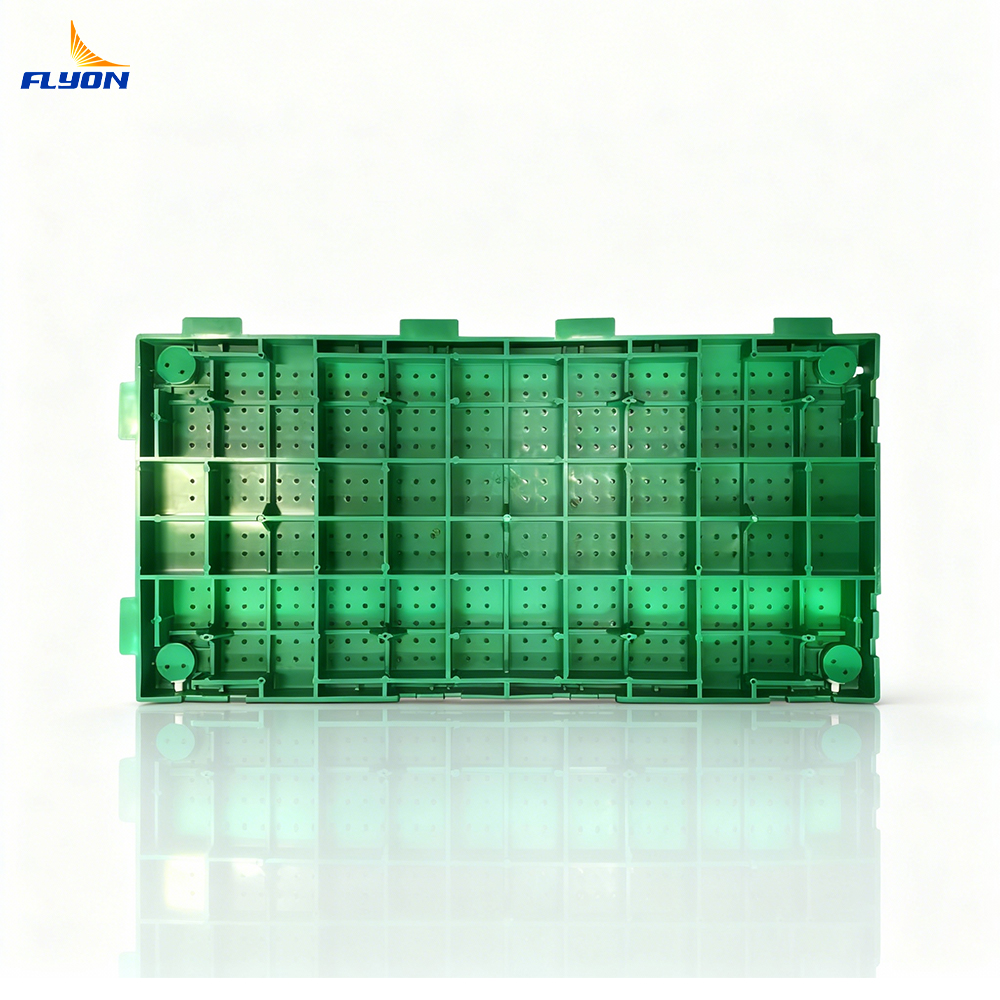
Installation labor is one of the largest costs in any event ground protection budget, and it scales directly with mat weight. A crew laying several thousand square meters of heavy matting spends hours that a lighter system compresses into a fraction of the time. Lightweight grass protection mats reduce handling strain, speed installation and removal, and shrink transport volume between events. The trade-off is load capacity, since lighter mats carry less weight than heavy rubber or composite alternatives, so the engineering task is matching mat weight to the traffic the mat will actually see. Where the match is right, lightweight grass protection mats deliver the lowest total cost per square meter installed.
Real-World Industry Case / Scenario
A Festival Installing 5,000 Square Meters
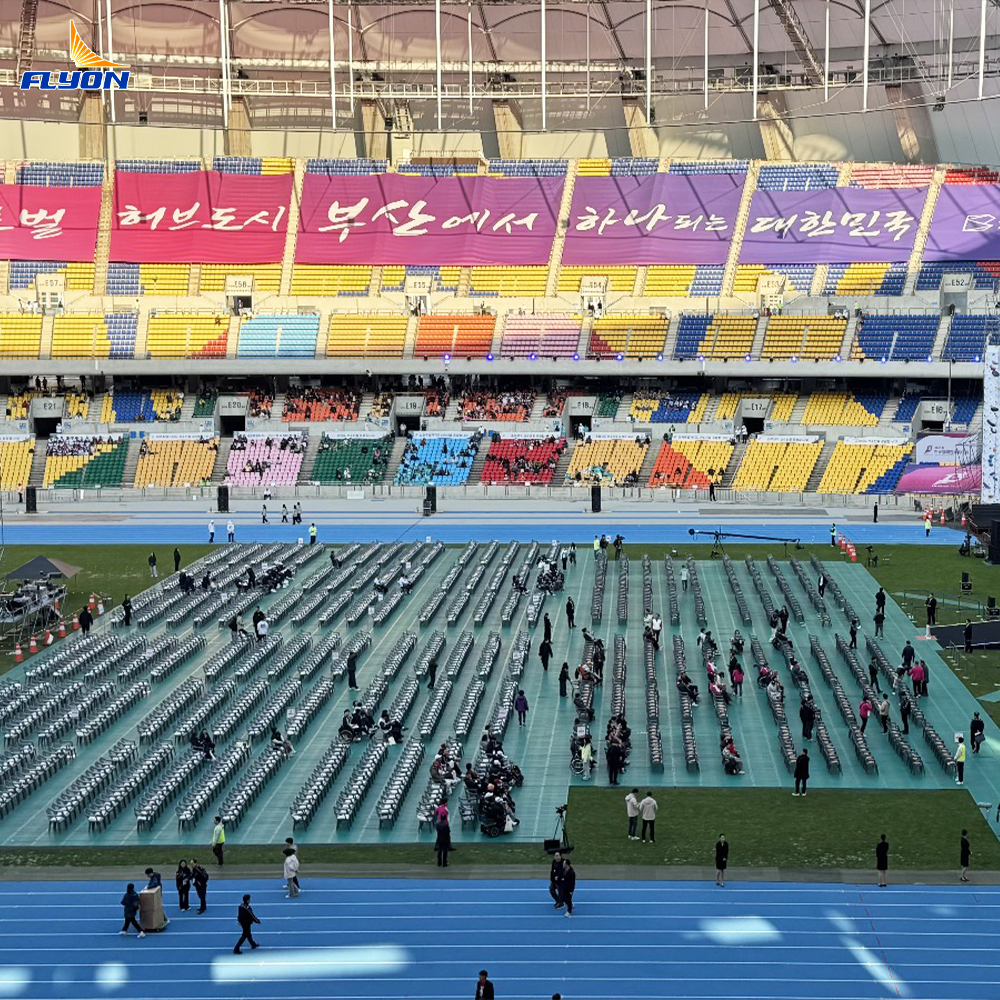
A music festival protecting its main arena and access routes installed roughly 5,000 square meters of lightweight grass protection mats across pedestrian corridors and light vehicle routes. The mat specification weighed close to 12 kilograms per unit, light enough for one crew member to carry and interlock without mechanical assistance. The installation crew of six completed the pedestrian network in a single shift, and removal after the three-day event took less than half the installation time. Transport between the festival site and the storage facility required one fewer truck than the previous year's heavier system had needed.
The festival's operations lead tracked the numbers across two seasons. The lightweight grass protection mats reduced installation labor by roughly 40% compared with the heavier system previously used, and the reduced transport volume lowered logistics cost in both directions. Removal speed mattered as much as installation, since the venue required the site cleared within 24 hours of the final performance. The lightweight grass protection mats also reduced handling injuries, which the festival's insurer had flagged under the older, heavier system.
Risk & Failure Mode Analysis
Load Limits and Vehicle Access
Weight savings come at the expense of capacity. Lightweight grass protection mats are specified for pedestrian traffic and light vehicle duty, and routing heavy staging vehicles, trucks, or buses across them concentrates load beyond the mat's rating, which produces cracking, sinking, and rutting beneath. The control is routing discipline: heavy vehicles stay on routes protected by rated heavy-duty mats or engineered access roads, and the event traffic plan marks those routes before installation begins. Grass protection mats that fail mid-event cannot be repaired in place, and the failure appears on the turf rather than on the equipment.
Light mats move more readily than heavy ones. Wind gets beneath unsecured mats and lifts them, and traffic entering at route ends can displace an unsecured run. Displaced grass protection mats create trip hazards for pedestrians and expose the turf they were installed to protect. Edge securing at traffic entry points, complete interlock engagement along every run, and perimeter weighting where exposure demands it are the standard controls. Removal has its own discipline: mats should be lifted rather than dragged, since dragging both scuffs turf and abrades the mat underside.
Technical Principles & Standard Compliance
Weight, Thickness, and Load Capacity
Mat weight follows from material density and thickness. Thin polyethylene sections minimize weight and suit pedestrian routes, while thicker sections and composite constructions carry light vehicles at higher weight. The specification should state the traffic class the mat must serve, and the weight should be the lowest that meets it, since every kilogram is handled dozens of times across an installation. Lightweight grass protection mats are usually interlocking, because a positive mechanical connection between units resists displacement better than weight alone, and the interlock geometry determines how quickly a crew can lay a square meter.
Interlock Design and Edge Security
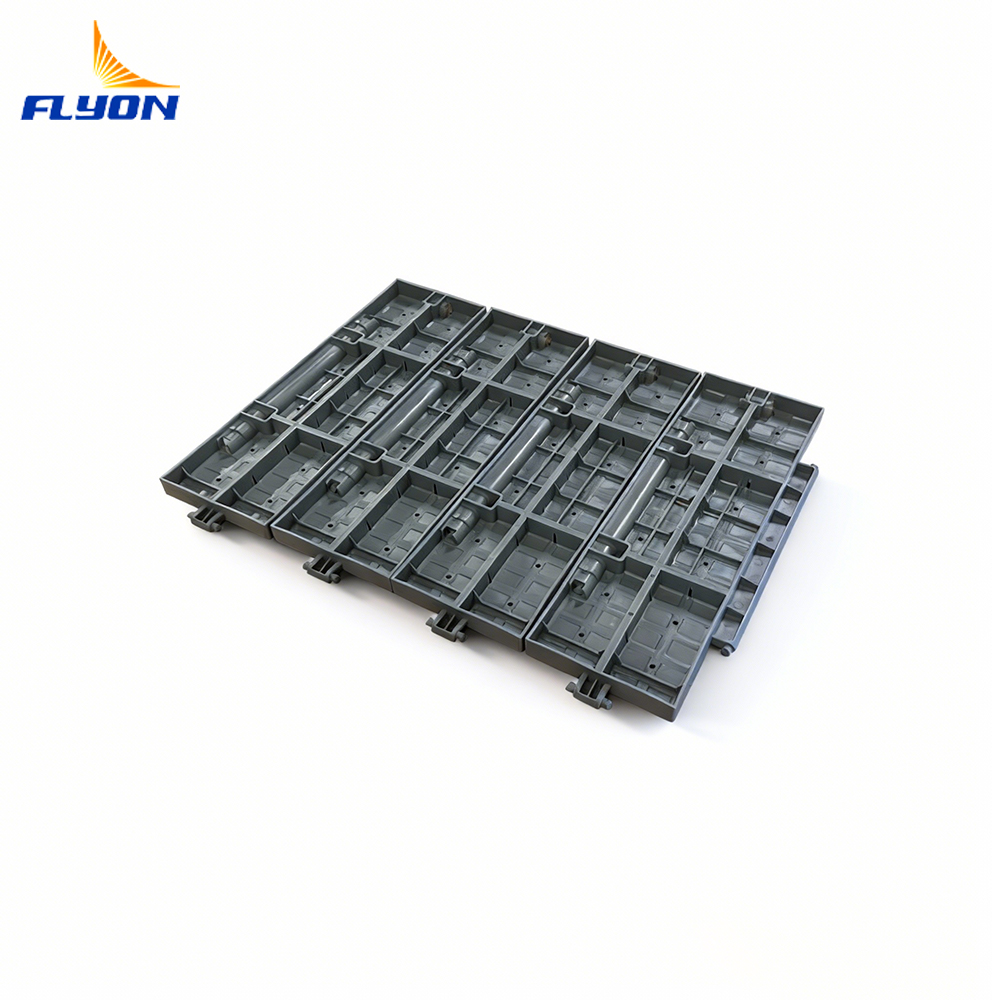
Interlock design is what makes lightweight grass protection mats practical. A positive, self-aligning connection lets a crew member place and lock a unit in seconds without bending to align edges, and the connection holds the run together under traffic and wind. Grass protection mats secure best when the interlock is engaged completely along every edge, since a partially engaged joint concentrates load and works loose under vibration. Edge treatment at route ends and perimeters completes the system, and the specification should name the securing method rather than leaving it to improvisation on site.
Actionable Buyer & Maintenance Guide
Matching Grass Protection Mats to the Application
Selection should begin with the traffic map: pedestrian volumes, light vehicle routes and weights, and any heavy equipment that requires separate protection. Pedestrian corridors need light, fast-interlocking mats; light vehicle routes need a rated heavier section; heavy staging needs either heavy-duty mats or engineered roads. Verification points include the published load rating, the interlock engagement method, weight per unit, and the documented reuse cycle rating. Suppliers of lightweight grass protection mats such as Shenzhen-based Flyon Sport publish these parameters, which allows mat weight to be matched to duty rather than chosen on handling convenience alone.
Handling, Storage, and Inspection
Grass protection mats last longer when handling is disciplined. Mats should be lifted and stacked rather than dragged, stored on pallets out of standing water, and cleaned between events to remove soil that abrades the interlock and stains turf. Inspection after each event catches cracked units, warped stacks, and damaged interlocks before they return to inventory. Tracking damage rates against installation counts validates the reuse cycle rating and tells the operation when the lightweight grass protection mats inventory needs partial replacement rather than continued patching.
Frequently Asked Questions
Question 1: How much do lightweight grass protection mats weigh?
Answer: Lightweight pedestrian mats typically weigh in the range of 10 to 15 kilograms per unit, light enough for one person to carry and interlock without mechanical assistance. Heavier sections rated for light vehicles weigh considerably more, and rubber or composite heavy-duty mats more still. The right weight is the lowest that meets the traffic class the mat will serve, since every kilogram is handled dozens of times across an installation.
Question 2: Can lightweight mats handle vehicles?
Answer: Only where the mat is rated for it. Lightweight grass protection mats are generally specified for pedestrian traffic and light vehicle duty, and routing heavy staging vehicles, trucks, or buses across them concentrates load beyond the mat's rating, which produces cracking and rutting beneath. The traffic plan should route heavy vehicles onto rated heavy-duty mats or engineered access roads and mark those routes before installation begins.
Question 3: How fast can a crew install lightweight mats?
Answer: A crew of six can typically lay several thousand square meters of pedestrian network in a single shift, and removal is usually faster than installation because the interlock releases quickly. Speed follows interlock design: a positive, self-aligning connection lets a crew member place and lock a unit in seconds. Grass protection mats with partially engaged joints concentrate load and work loose, so engagement quality matters as much as placement speed.
Question 4: What keeps lightweight mats from shifting or blowing away?
Answer: Complete interlock engagement along every edge is the primary control, since the connected run resists displacement better than weight alone. Edges at traffic entry points need securing against curl and displacement, and perimeter weighting handles exposure where wind gets beneath unsecured mats. Removal discipline matters too: mats should be lifted rather than dragged, since dragging scuffs turf and abrades the mat underside.