 EN
EN
 AR
AR
 FR
FR
 PT
PT
 RU
RU
 ES
ES
 BG
BG
 HR
HR
 CS
CS
 DA
DA
 NL
NL
 FI
FI
 DE
DE
 EL
EL
 HI
HI
 IT
IT
 JA
JA
 KO
KO
 NO
NO
 PL
PL
 RO
RO
 SV
SV
 CA
CA
 TL
TL
 ID
ID
 SR
SR
 SK
SK
 UK
UK
 VI
VI
 HU
HU
 TH
TH
 TR
TR
 MS
MS
 AZ
AZ
 KA
KA
 BN
BN
 LO
LO
 MN
MN
 MY
MY
 UZ
UZ


 EN
EN
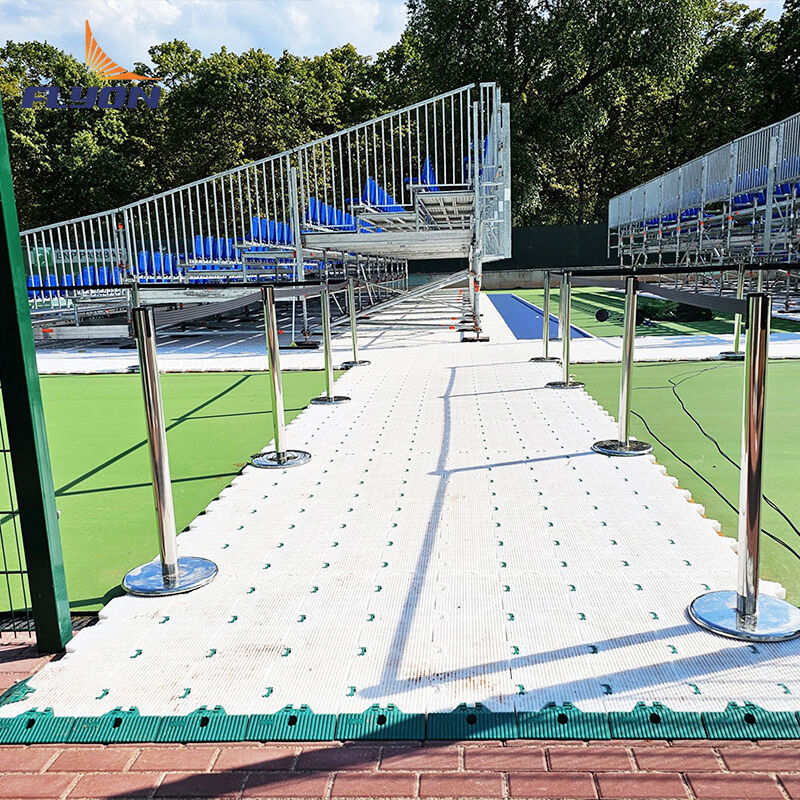
Why Tent Flooring Is Essential for Festival Guest Comfort and Safety
Mitigating Injury Risk on Uneven or Soft Ground
Festival grounds often have tricky spots where the ground gets really uneven, especially when rain turns everything muddy. Putting down proper tent flooring fixes this problem by creating a flat, secure walking surface that stops people from slipping or twisting their ankles. The difference matters most around busy areas such as near stages or along food vendor paths where lots of people gather. Recent stats from Event Safety Alliance show falls are responsible for more than 40 percent of injuries at events, which explains why having good footing isn't just nice to have but actually essential for safety. These modular floor systems work well even on sloped land or bumpy patches because they fit together tightly without leaving any dangerous gaps between sections.
Reducing Foot Fatigue and Enhancing Accessibility Across All Zones
Most festivals cover huge swaths of land, so people end up walking for miles every day over hard, uncomfortable ground. The right kind of tent flooring, especially those made with foam or rubber materials, makes a real difference in keeping feet from getting sore after all that walking around. And this isn't just about comfort for everyone else either. Smooth interlocking surfaces really help out folks who use wheelchairs or have trouble moving around freely. They can actually get around vendor stalls, check out performance areas, and find places to rest without needing constant assistance. Regular dirt or grass gets completely unusable when it rains, but good quality plastic or rubber tiles stay firm and provide grip even when things get wet. This kind of thoughtful setup means better access for everyone throughout the whole event space, whether someone is hanging out in the fancy VIP section or just chilling in the regular crowd areas.
Top Tent Flooring Materials: Rubber, Foam, and Plastic Tiles Compared
Shock Absorption, Durability, and Installation Speed by Material Type
The three main types of flooring materials for events all have their own strengths. Rubber is great for absorbing shocks and cuts down on foot tiredness significantly when compared to concrete or wood floors. Some studies show around 40% less fatigue over long periods. Plus, these rubber mats last forever basically, holding up through multiple festivals year after year. Foam tiles offer decent padding but what really stands out about them is how fast they go down. A team working on a big event can lay out half an acre worth in less than half an hour. Then there are plastic options which sit somewhere between the other two extremes. They snap together pretty easily thanks to those clever interlocking edges, yet still stand up well against constant walking and even some lighter gear being dragged across them. When setting up something like a main stage dance floor where people will be jumping around a lot, most organizers find that the extra time needed to install rubber floors is totally worth it because of how much better they perform under intense pressure.
Weather Resistance and Load-Bearing Performance in High-Traffic Scenarios
How materials hold up against weather and what weight they can take really matters when putting things into actual use. Rubber works great where there's lots of rain around because it keeps grip even when wet surfaces have a friction coefficient above 0.65 and can handle more than 1,000 pounds per square foot. That makes rubber perfect for stuff like temporary stages, spots under food trucks, and stacking speakers safely. Plastic tiles do okay with moisture generally speaking, but their grip tends to slip away completely during those big summer storms we all dread. Foam is another story entirely though. It soaks up water fast which leads to problems down the road like getting squished flat, breaking down faster than normal, and developing mold if left in damp places too long. For anyone concerned about keeping people safe and equipment lasting longer, pick the right material based on what needs doing. Rubber belongs at busy entry points where folks might be coming in soaked from the rain. Save plastic for walkways under cover or areas with moderate foot traffic. And leave foam for those brief moments when someone just wants to lounge somewhere dry without worrying about damage happening overnight.
Strategic Tent Flooring Deployment: Zoning, Flow, and Experience Design
Using Modular Tent Flooring to Define VIP, Lounge, and Dance Areas
Festival organizers are finding that modular tent floors make all the difference when it comes to turning messy layouts into spaces people actually want to navigate. When they lay down different materials or use colored sections, they're essentially drawing invisible lines between wild dance areas, chill VIP spots, and those backstage service paths nobody wants to get lost in. These visual cues help keep everyone moving where they need to go, which matters a lot at big events with tens of thousands of attendees packed together. The rough rubber tiles in front of stages give dancers better traction when things get intense, whereas softer foam or thinner rubber in lounges means folks don't tire out so fast but still stay steady on their feet. Studies indicate that having consistent surfaces throughout busy areas cuts down on trips and falls by around 40%. What makes these modular systems really stand out though is how easy they are to rearrange mid-event. If one section gets too crowded or needs extra space overnight, crews can just shift panels around quickly. This flexibility keeps safety intact while letting organizers maintain the experience they originally planned for festivalgoers.
Practical Considerations for Renting or Installing Tent Flooring
Start by looking at the site carefully first. Clear away any junk lying around, fix those uneven spots where water tends to pool, and make sure the ground is solid and flat so nothing shifts or breaks down too soon. When picking out materials, don't just go for what's cheapest. Think about how many people will be walking there, what kind of weather we usually get in this area, and whether anyone might need special access features. Rubber is still king for places that see lots of foot traffic, heavy loads, or rainy days. Plastic works pretty well for areas under cover or where not too many folks will be stomping around. Foam? That's great for temporary setups when the weather stays dry. Installation matters too. Stick closely to what the manufacturer says in their instructions. Secure those edges around the perimeter so nobody trips over them later. Check that the floor can actually handle whatever gets put on it – think food trucks parking there, big lights being set up, or crowds gathering for performances. Working with rental companies who know their stuff makes a huge difference. These pros have seen it all before and know how to get things set up fast while making sure weight is spread properly and everything meets accessibility rules like ADA standards. Good flooring choices aren't just about looks either. They build confidence among attendees, keep everyone safe from slips and falls, and show that organizers care about including everyone – which is exactly what makes festivals memorable and worth attending year after year.
FAQ
- Why is tent flooring essential for festivals? Tent flooring provides a stable and even walking surface, reducing slip and fall injuries, minimizing foot fatigue, and improving accessibility.
- What are the best materials for tent flooring? Rubber, foam, and plastic tiles are common materials, each offering different benefits like shock absorption, durability, and quick installation.
- How does tent flooring enhance safety at events? By offering consistent traction and absorbing shock, especially in high-traffic areas and uneven terrains.
- Can tent flooring materials withstand weather conditions? Yes, particularly rubber, which maintains grip even when wet, making it ideal for areas with heavy rain.