 EN
EN
 AR
AR
 FR
FR
 PT
PT
 RU
RU
 ES
ES
 BG
BG
 HR
HR
 CS
CS
 DA
DA
 NL
NL
 FI
FI
 DE
DE
 EL
EL
 HI
HI
 IT
IT
 JA
JA
 KO
KO
 NO
NO
 PL
PL
 RO
RO
 SV
SV
 CA
CA
 TL
TL
 ID
ID
 SR
SR
 SK
SK
 UK
UK
 VI
VI
 HU
HU
 TH
TH
 TR
TR
 MS
MS
 AZ
AZ
 KA
KA
 BN
BN
 LO
LO
 MN
MN
 MY
MY
 UZ
UZ
 EN
EN
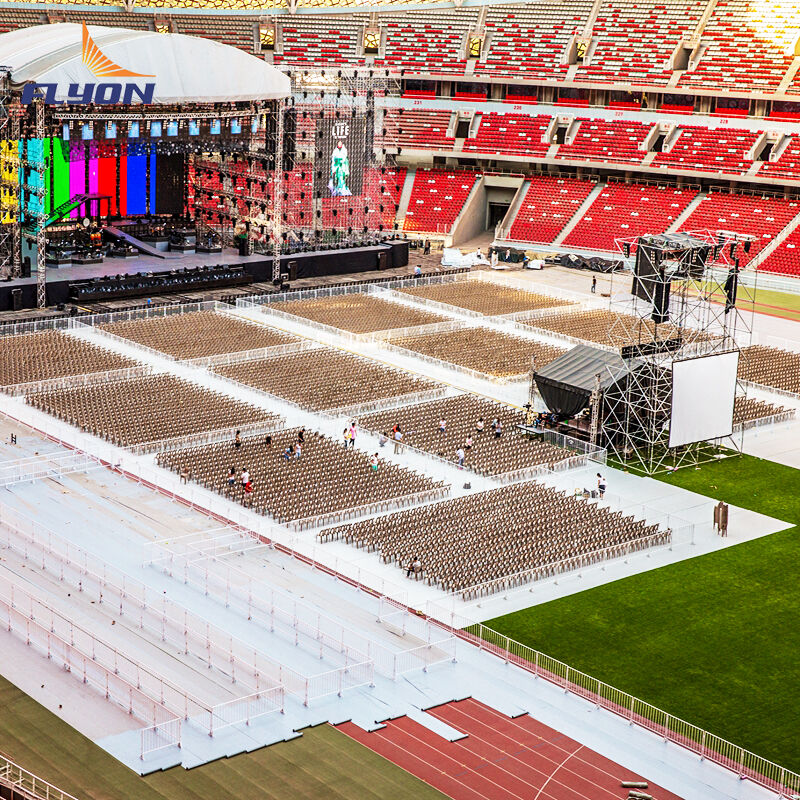
All-Season Structural Integrity of Synthetic Stadium Turf Protection
How Multi-Layer Fiber Architecture Prevents Seasonal Failure
Synthetic stadium turf protection relies on engineered multi-layer systems to withstand seasonal stress. Unlike single-material designs, advanced architectures integrate:
- Polypropylene primary backing, engineered for dimensional stability (thermal expansion <0.5%)
- Reinforced secondary coating, formulated to retain flexibility down to −20°C
- Hybrid infill matrices combining silica sand and thermoplastic elastomers (TPE), engineered to resist compaction across temperature extremes
This stratified design prevents delamination and surface warping by distributing thermal contraction forces. During freeze-thaw cycles, independent layer movement absorbs stress that would otherwise fracture monolithic structures. Field studies show such systems reduce seasonal deformation by 78% compared to conventional turf (Sports Surface Testing Laboratory, 2023).
Real-World Validation: Etihad Campus Turf Performance Across −5°C to +38°C Cycles
A premier European training facility demonstrates synthetic stadium turf protection resilience in extreme climates. Over three seasons, its FIFA Quality Pro-certified pitch maintained consistent performance across a 43°C operational range:
| Performance Metric | Winter (−5°C) | Summer (+38°C) | Variance |
|---|---|---|---|
| Surface evenness | 2.1 mm | 2.3 mm | ≈4.7% |
| Ball roll distance | 8.2 m | 8.5 m | ≈3.6% |
| Shock absorption | 62% | 60% | ≈3.2% |
The installation endured 19 full thermal transition cycles without fiber degradation or seam separation—validating all-weather structural integrity and confirming uninterrupted playability under FIFA’s most stringent performance thresholds.
UV Resistance and Long-Term Durability in Harsh Climates
Polymer Degradation Risks and the Role of Nano-Encapsulated UV Stabilizers
Synthetic turf installed at high altitude locations or near the equator suffers serious damage from intense sunlight when solar irradiance hits over 200 W per square meter regularly. Regular polymer fibers tend to lose around 40% of their strength within just five years of installation. This leads to brittle surfaces, noticeable color loss (with Delta E values above 5), and uneven playing surfaces that increase the chance of injuries during sports activities. The solution comes in the form of nano-encapsulated UV stabilizers which create a protective layer against harmful rays. These stabilizers work by absorbing radiation and stopping free radicals from breaking down the polymer chains. Independent lab testing following ASTM G154 standards shows synthetic grass treated with this tech keeps 95% of its flexibility even after receiving 15,000 MJ per square meter of UV exposure equivalent to about 15 years in harsh desert climates. What makes this technology particularly effective is how it releases protection gradually throughout day-night temperature changes, preventing the tiny cracks that plague traditional UV inhibitors over time.
Thermal Management: Cooling Technologies for Synthetic Stadium Turf Protection
Infrared-Reflective Fibers and Their Impact on Surface Temperature
The secret weapon behind synthetic stadium turf in places where summers get really hot? Infrared reflective fibers. These special materials come coated with minerals that bounce sunlight away instead of soaking it up, which means surfaces stay cooler. We're talking around 20 degrees Fahrenheit difference compared to regular turf when the sun is at its strongest. What makes this technology so great is that it works without needing any extra water or electricity. Players actually benefit because they don't have to deal with blistering heat while running around, plus the fibers maintain their flexibility for longer periods. Real world tests on actual fields have shown these reflective fibers cut down on damage caused by extreme heat and save money on repairs down the road. Best part? They still hold up against UV rays and keep playing conditions good throughout all seasons.
Storm-Resilient Drainage Systems for Uninterrupted Play
Good drainage systems are essential for keeping synthetic stadium turf playable even when it rains heavily. These systems have multiple layers underground that can handle more than 30 inches of rain each hour. Water moves from the permeable backing material into big collection channels below ground, which stops puddles from forming and keeps players from slipping. The field itself has a slight slope of about 1% across its surface so water flows naturally toward the edges where special drains collect it. There are also fabric-like filters between layers that stop dirt from moving around and help maintain the stability of everything underneath. After a storm hits, fields with these systems dry out quickly enough to be used again within minutes. That's a huge difference compared to natural grass fields that might take days to dry properly. Sports facilities that install this kind of comprehensive drainage system typically stay open for games and events about 98% of the time throughout the year, no matter what kind of weather their area gets. What used to be unpredictable because of bad weather is now something facility managers can plan for with confidence.
FAQ
What is synthetic stadium turf protection?
Synthetic stadium turf protection involves engineered systems designed to withstand stress from various environmental factors such as temperature variations, sunlight exposure, and heavy rain.
Why is UV resistance important for synthetic turf?
UV resistance is vital for preventing polymer degradation, maintaining turf flexibility, color, and structural integrity in areas with intense sunlight.
How do infrared-reflective fibers help in cooling turf surfaces?
Infrared-reflective fibers help by bouncing sunlight away, reducing surface temperature by about 20 degrees Fahrenheit compared to regular turf.
What are the benefits of a storm-resilient drainage system for stadium turf?
These systems ensure quick drying and uninterrupted play by effectively managing water runoff during heavy rains, keeping playing conditions optimal.