 EN
EN
 AR
AR
 FR
FR
 PT
PT
 RU
RU
 ES
ES
 BG
BG
 HR
HR
 CS
CS
 DA
DA
 NL
NL
 FI
FI
 DE
DE
 EL
EL
 HI
HI
 IT
IT
 JA
JA
 KO
KO
 NO
NO
 PL
PL
 RO
RO
 SV
SV
 CA
CA
 TL
TL
 ID
ID
 SR
SR
 SK
SK
 UK
UK
 VI
VI
 HU
HU
 TH
TH
 TR
TR
 MS
MS
 AZ
AZ
 KA
KA
 BN
BN
 LO
LO
 MN
MN
 MY
MY
 UZ
UZ
 EN
EN
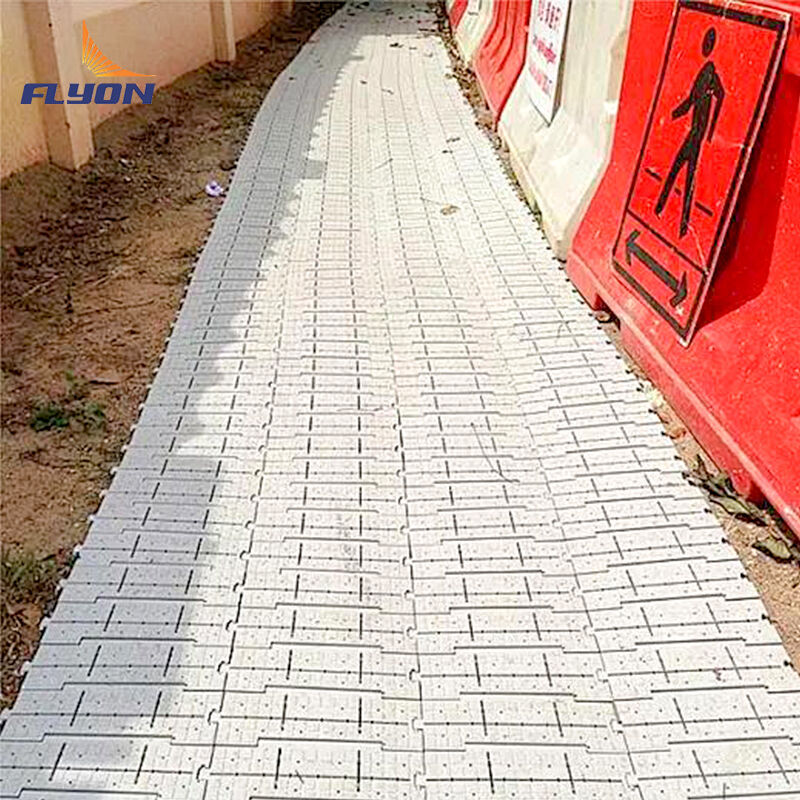
Why Synthetic Stadium Turf Protection Demands Exceptional Durability
The turf at stadiums gets hammered during all those big events concerts, games, festivals and stuff which really speeds up the wear and creates safety issues. Regular grass just cant handle this kind of traffic. It breaks down fast and needs around seven thousand to twenty three thousand dollars each year just to keep it looking decent, but even then it develops these dangerous bumps and dips. Synthetic options fight back against this problem because theyre built tough. These modern materials dont get crushed easily, stand up to sun damage, and water basically slides right off them. The bottom line is that these durable surfaces save money in the long run since replacing a whole field can cost upwards of seven hundred forty thousand dollars. That makes investing in quality turf protection absolutely essential if anyone wants to cut down on overall costs. Traditional patch jobs dont work here though. Real systems designed for heavy use keep the playing surface consistent throughout hundreds of events every year, keeping athletes safe and avoiding expensive shutdowns when repairs are needed.
Core Engineering Innovations in Synthetic Stadium Turf Protection
W/M-Shaped and Hollow-Core Fibers for Resilience and Recovery
Modern synthetic turf for stadiums uses specially designed fiber structures to prevent lasting damage from heavy use. The W/M shaped fibers bounce back after getting hit because they remember their original shape, kind of like springs. Meanwhile, the hollow core design creates tiny air spaces inside the fibers that act as little cushions against impact. Testing in labs shows these special fibers can spring back over 90% of their original form even after being tested 50 thousand times. This means fields stay level for longer, players don't get as tired during games, and the whole surface lasts much longer between needed repairs or replacements.
Triple Tuft-Bind Anchorage and Anti-Matting Blade Design
Top quality turf protection features what's called triple tuft bind tech. Basically, each thread gets secured at three different spots on the backing fabric instead of just two like most standard systems. This setup makes the fibers way harder to pull out, around 50 percent stronger actually, which stops them from shifting when players pivot or slide across the field. At the same time, special blade shapes with uneven cross sections help the grass blades bounce back naturally after being compressed. Together these innovations keep the ball rolling smoothly without those annoying inconsistencies, and they cut down on how often maintenance crews need to groom the field between games. These claims aren't just marketing fluff either. Independent tests following FIFA standards show there's barely any change in surface level, staying within 2mm even after intense stress tests.
Validated Performance: Testing Standards and Real-World Longevity Metrics
Getting premium protection for synthetic stadium turf means putting it through its paces with both standard tests and actual field performance checks. Standards such as ASTM F1951 actually test how well the fibers hold up against constant foot traffic from cleats over time, basically fast forwarding through years of wear in controlled conditions. The FIFA Quality Pro certification takes things a step further though. Their tests look at surface hardness and how much the turf resists rotation when players move around on it. They simulate thousands upon thousands of hours of intense match play to make sure everything still works properly. All these testing procedures help maintain accurate ball bounce characteristics and keep players stable on the field even after all that repeated stress on the system.
ASTM F1951 & FIFA Quality Pro: Measuring Wear Resistance for Intensive Use
ASTM F1951 puts artificial turf through its paces with over 6,000 test cycles using heavy studded rollers that simulate around ten years of pro soccer action on the field. The test measures how much the grass blades shorten and wear down over time. For FIFA Quality Pro certification, the field must keep less than 25% compaction in the infill material after all that stress, which helps maintain proper cushioning for players' knees and ankles when they land hard. Stadium managers who follow these guidelines often see their surfaces last about 40% longer than those without certification. This means better grip when it really counts during important matches and fewer injuries throughout the life of the playing surface.
Lifetime Cost per Play Hour: How Premium Turf Protection Lowers TCO
When we look at the lifetime cost for each hour of play, it becomes clear why synthetic stadium turf actually saves money in the long run. The fields made with those special polymer fibers and triple tufted backing last way longer between replacements. They can handle about three times as many games and practices before needing to be replaced, which means the initial installation costs get stretched out over 12 to maybe even 15 years rather than just 8. Maintenance costs matter too. Premium quality turf brings down yearly expenses by around $18k when compared to cheaper alternatives because there's less need for regular grooming work and adding new infill material. All these savings mean the cost per actual playing hour drops by roughly half. Instead of being seen as just another big purchase, good quality turf starts looking more like something that pays for itself over time through better performance and lower ongoing costs.
All-Climate Reliability: Weather Resistance as Integral to Turf Protection
UV Stabilization, Thermal Expansion Control, and Drainage Integrity
High quality synthetic turf protection systems are built to handle whatever Mother Nature throws at them. The materials used contain UV stabilizers that stop the fibers from breaking down and colors from fading even after years of direct sun exposure, so fields look good long term. When temperatures swing wildly between hot days and cold nights, special thermal controls keep the surface from buckling or warping, which means athletes get consistent footing no matter what. Beneath the surface, there's an impressive drainage system that can move away more than 20 inches of rainwater every hour. This keeps the field dry enough for games to go on without interruption. All these design elements work together to create turf that performs reliably whether it's blazing hot, freezing cold, or raining cats and dogs. Sports facilities report saving around 40% each year on maintenance expenses when they upgrade from standard installations to these optimized systems.
FAQ Section
Why is synthetic turf a better option than natural grass for stadiums?
Synthetic turf is more durable, requires less maintenance, and can save stadiums significant amounts of money in the long run. It remains intact and safe for use during frequent events.
How do W/M-shaped and hollow-core fibers benefit synthetic turf?
These fiber designs ensure the turf bounces back after heavy foot traffic and provides cushioning, making it last longer and offer a more even playing surface.
What does triple tuft-bind technology do?
It secures fibers better, making them more resistant to wear and tear, thereby maintaining the integrity of the turf surface even during intensive use.
How does synthetic turf perform under extreme weather conditions?
Thanks to UV stabilization, thermal expansion control, and effective drainage, synthetic turf remains reliable and functional in various weather conditions.