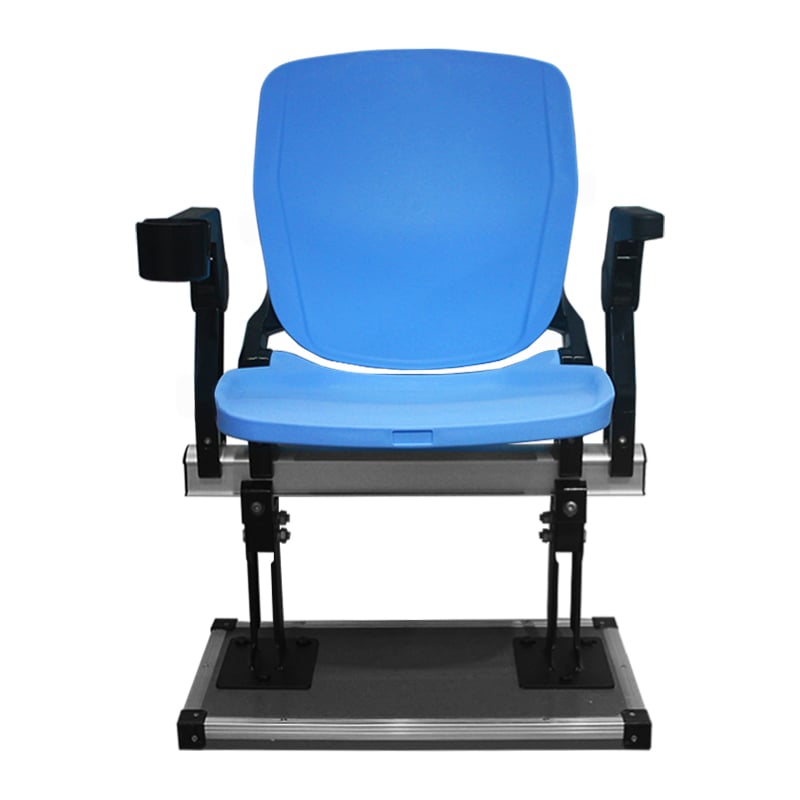
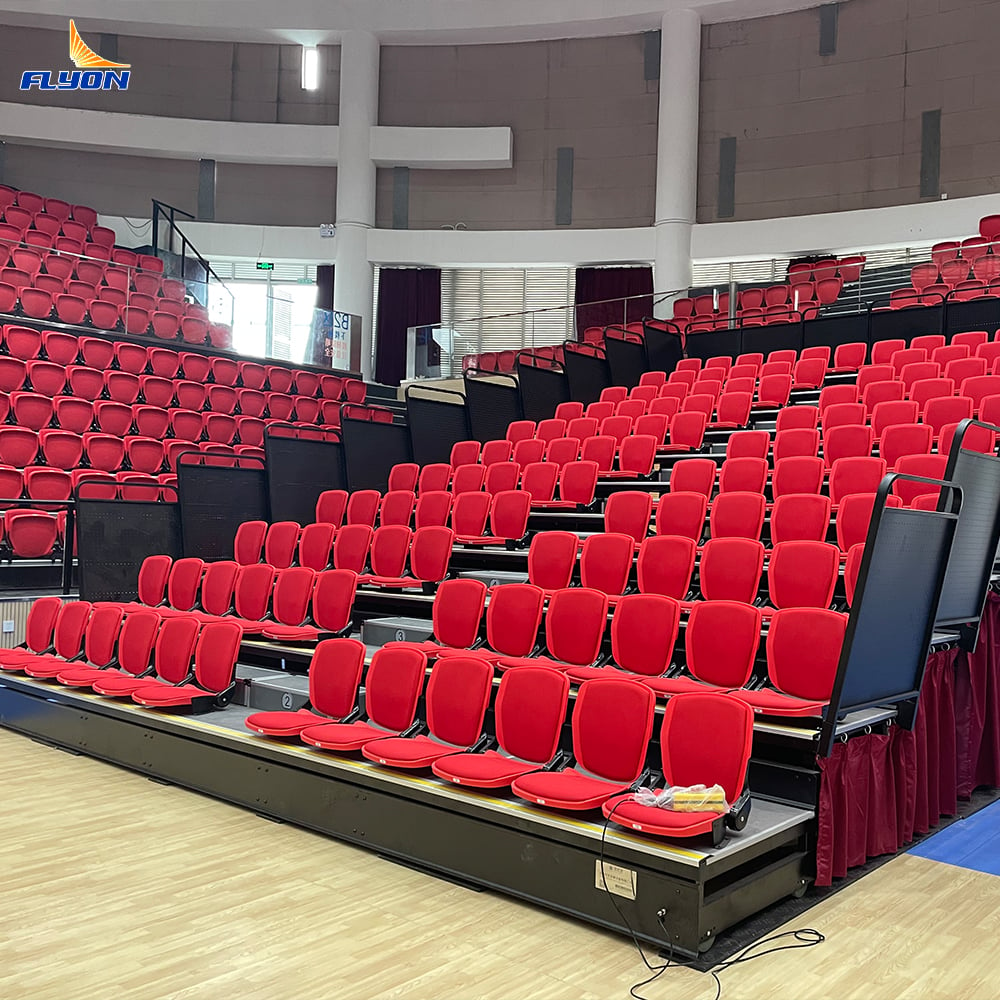
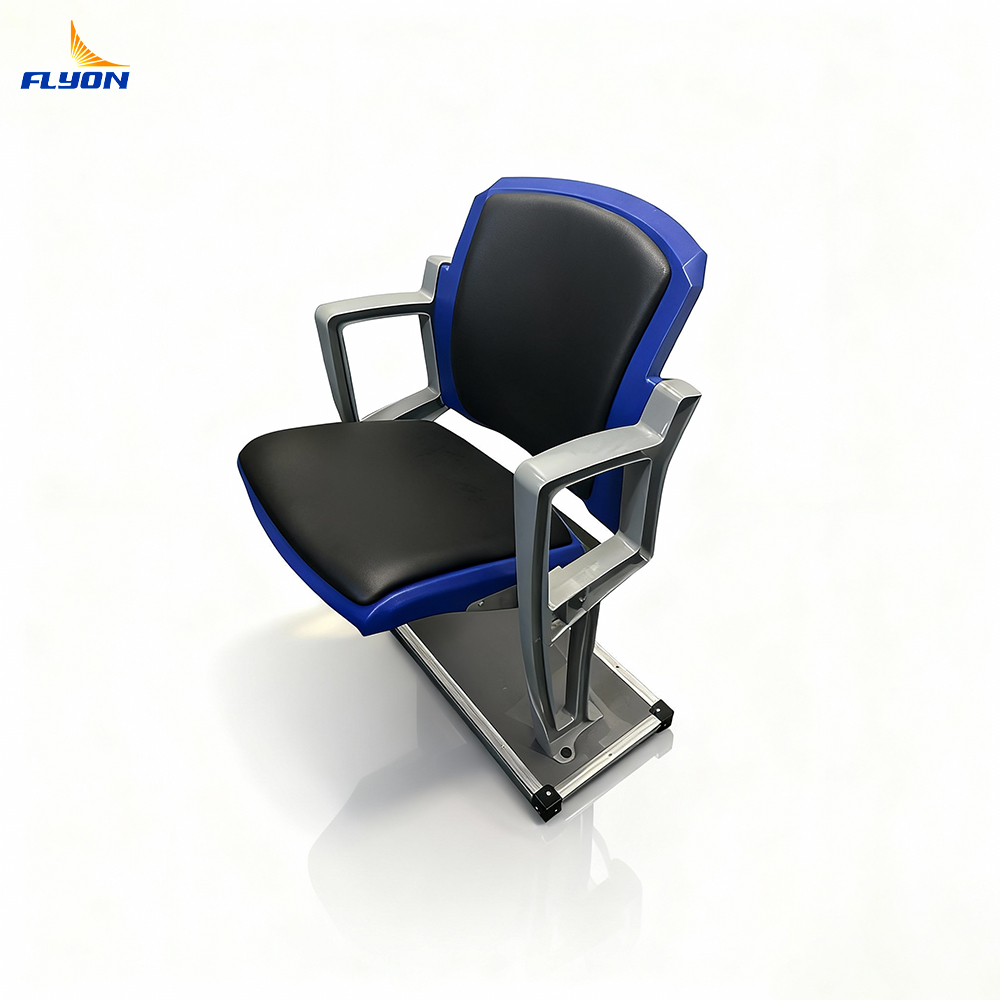
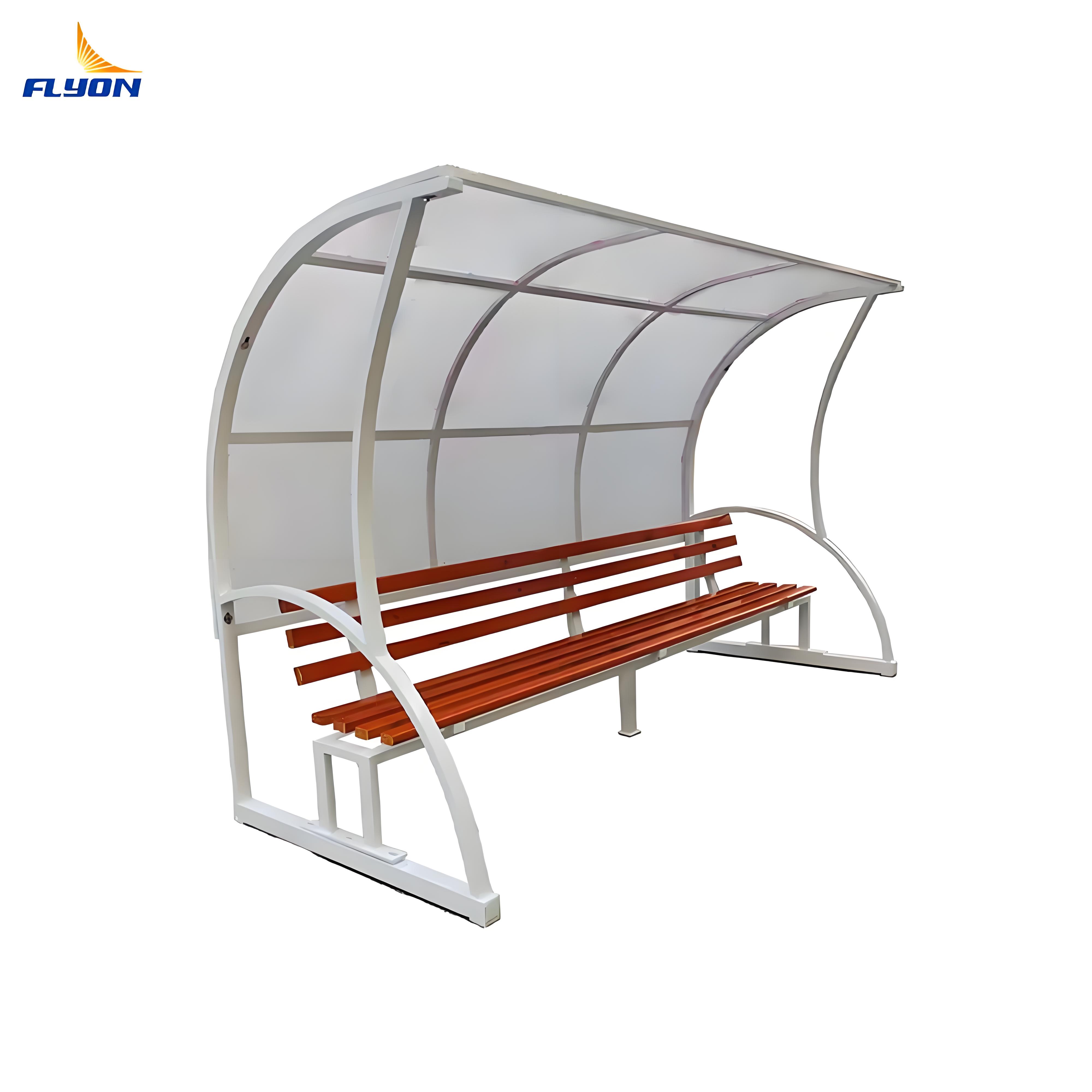
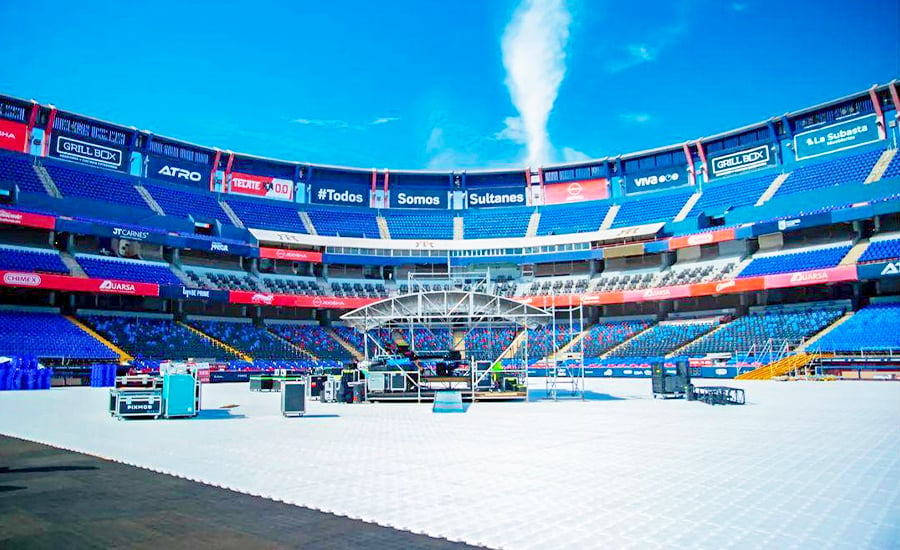
Ayon sa pananaliksik, ang mga upuan sa estadyum ay maaaring makalapag ng higit sa 45 iba't ibang uri ng mikrobyo at virus isang araw lamang pagkatapos umupo ang isang tao, kabilang dito ang E. coli at iba't ibang uri ng trangkaso ayon kay Smith at mga kasamahan noong 2023. Ang mga bahagi na madalas nating hapuin—tulad ng mga sandok sa braso at lalo na ang likod ng upuan—ay naging tunay na sentro ng pagkalat ng mga mikrobyo. Halos isang kada tatlo sa mga tao sa isang karaniwang laro na tumatagal ng tatlong oras ang posibleng mahawa mula sa mga kontaminadong lugar na ito. Ayon sa mga natuklasan ng mga unibersidad, ang mga upuan na may takip na tela ay nakakatipon ng humigit-kumulang apat na beses na dami ng paglago ng bakterya kumpara sa mas makinis na materyales dahil madaling sinisipsip nito ang pawis at mga patay na selula ng balat. Kaya naman nauunawaan kung bakit nagsisimulang muling isaalang-alang ng mga estadyum ang kanilang pagpili ng materyales para sa mga upuan.
Ang pang-araw-araw na pagpapaligo ay nag-aalis lamang ng 63% ng mga kontaminante sa ibabaw, samantalang ang malalim na paglilinis sa pagitan ng mga kaganapan ay hindi posible sa mga venue na nagho-host ng magkakasunod na mga laro. Ang mga mikrobyo tulad ng Staphylococcus aureus ay nabubuhay hanggang 72 oras sa mga hindi napoprosesong ibabaw, na lumilikha ng panganib sa pagkalat ng kontaminasyon mula sa isang bagay patungo sa iba. Ang mga kemikal na ginagamit sa paglilinis ay umuusok sa loob ng 2 oras, na iniwan ang mga upuan nang walang proteksyon hanggang sa susunod na siklo ng pagdidisinfect.
Ayon sa mga survey matapos ang pandemya, 81% ng mga dumadalaw ay binibigyang-priority ang mga venue na may mga tampok na pinalakas na kalinisan. Ang mga departamento ng kalusugan ay inirerekomenda na ngayon ang mga antimicrobial na interbensyon para sa mga ibabaw na ginagamit ng 50 gumagamit/oras—na isang threshold na nalampasan sa karamihan ng mga stadium. Ang pagbabagong ito ay sumasalig sa mga gabay ng CDC na binibigyang-diin ang mga preventive measure laban sa hindi direktang pagkalat ng mga pathogen sa mga lugar na puno ng tao.
Ang mga modernong antimicrobial coating ay gumagamit ng tatlong mekanismo upang labanan ang mga pathogen sa mga upuan ng stadium:
Bilang ang pag-aaral ng industriya ay nagpapatunayan , ang mga coating na ito ay nababawasan ang bakterya sa ibabaw ng 99.99% sa loob ng 24 oras habang pinapanatili ang epekto nito sa mahabang panahon. Ang lumalaking pag-aadopt ng teknolohiyang ito ay nakikita sa global antimicrobial coatings market, na inaasahang lalawakin mula sa $3.9 bilyon noong 2021 patungo sa $6.4 bilyon hanggang 2026 ( Frontiers in Public Health 2025 ).
Kapag ito ay tungkol sa pakikidigma laban sa mga mikrobyo, ang mga ion ng pilak ay pangunahing sumisira sa proseso ng pagre-replicate ng kanilang DNA at nakakaapekto rin sa paraan kung paano nila ginagawa ang enerhiya. Ang nanoteknolohiya ay nagpapalawig nito nang isang hakbang pa sa pamamagitan ng pagpapataas ng kahusayan gamit ang mas malaking surface area sa mga napakaliit na partikula ng pilak. Ano ang ibig sabihin nito? Ang mga coating ay maaaring pigilan ang paglago ng bakterya kahit kapag ginagamit sa konsentrasyon na humigit-kumulang apatnapu't porsyento (40%) na mas mababa kaysa sa kailangan ng tradisyonal na mga pamamaraan. Bukod dito, ang mga ion ng pilak na ito ay nananatiling epektibo sa loob ng ilang taon nang hindi nabubuhos palabas patungo sa mga kapaligiran, kaya nga sila ay lubhang epektibo sa mga bagay tulad ng mga upuan sa parke at mga upuan sa bus kung saan patuloy na hinahawakan ng mga tao ang mga ibabaw sa buong araw.
Ang mga advanced na pormulasyon ay kumikilos sa pamamagitan ng kemikal na pagkakabond ng mga antimicrobial na ahente sa mga hibla ng tela ng upuan, na nagpapatiyak na ang proteksyon ay mananatili sa loob ng 500+ na paglilinis. Ayon sa mga independiyenteng pagsusuri, ang mga upuan na may tratong ito ay nananatiling may 92% ng orihinal na kahusayan nito kahit matapos ang limang taon ng pagkakalantad sa labas. Ang tuloy-tuloy na proteksyon na ito ay nababawasan ang mikrobial na karga ng 83% kumpara sa mga ibabaw na walang coating sa pagitan ng mga propesyonal na paglilinis.
Ang mga upuan sa stadium na tinrato ng antimicrobial coatings ay nagiging talagang mahirap para sa mikrobyo na manatili roon. Ang mga pagsusulit ay nagpakita na ang mga espesyal na ibabaw na ito ay maaaring bawasan ang bakterya hanggang 99.99% sa loob lamang ng isang araw, na panatilihin ang bilang ng mikrobyo sa kontrol na humigit-kumulang sa 2.5 CFU kada square centimeter kahit na ang mga tao ay nakaupo roon buong araw. Ang coating ay gumagana sa pamamagitan ng pagpapabago sa paraan kung paano gumagana ang bakterya at virus sa cellular level, na nangangahulugan ng mas kaunting posibilidad na makalat ang mga sakit kapag maraming tao ang nagbabahagi ng parehong espasyo. Ang ganitong uri ng teknolohiya ay naging lalong mahalaga sa mga lugar kung saan madalas na nagkakaroon ng mga pulutong.
Ang mga upuan na may antimikrobial na katangian ay gumagana nang lubos kasama ang regular na paglilinis ng pasilidad dahil patuloy silang nagbibigay ng proteksyon kahit kapag hindi pa bago ang pagdidisinfekta sa mga ibabaw. Batay sa datos mula sa Finland, ang mga lugar na may espesyal na coating sa kanilang mga upuan ay nakarehistro ng halos kalahating bilang ng mga araw na hindi pumasok dahil sa karamdaman kumpara sa mga lugar na walang ganitong coating. Ito ay makatwiran, lalo na sa tingin ng sobrang karamihan ng tao sa ilang pasilidad. Kapag pinagsama ang pasibong proteksyon laban sa mikrobyo at aktibong mga gawain sa paglilinis, nabubuo ang isang mas ligtas na kapaligiran—lalo na kapag maraming tao ang pumapasok sa panahon ng mga abala o mga kaganapan.
Ang mga lugar na nagsimulang gumamit ng mga upuan na may antimicrobial na katangian ay nakakapansin ng tunay na pagkakaiba sa kung gaano kalinis ang iniisip ng mga tao. Isang kamakailang pananaliksik ang nakatukoy na humigit-kumulang tatlo sa apat na bisita ang pakiramdam na mas komportable at ligtas sa pag-upo sa mga espesyal na pinagtratong ibabaw na ito. Ang mga lugar kung saan na-install na ang teknolohiyang ito ay karaniwang nakakaranas ng pagbaba sa bilang ng impeksyon hanggang 80 porsyento, na sumasalungat sa mga rekomendasyon ngayon ng mga eksperto sa kalusugan para sa mga pampublikong lugar kung saan nagkakasama ang mga tao. Kapag nag-iinvest ang mga negosyo sa mga coating na may antimicrobial na katangian, hindi lamang nila sinusunod ang mga regulasyon sa kaligtasan kundi ipinapakita rin nila sa kanilang mga bisita na mahalaga ang kanilang kalusugan sa pamamagitan ng konkretong aksyon, hindi lamang ng walang saysay na pangako.
Sa isang kamakailang pag-aaral noong 2023 na tiningnan ang mga kumakatawan sa halos 10,000 upuan sa isang palpatayan, natuklasan ng mga siyentipiko ang isang kawili-wiling katotohanan tungkol sa mga espesyal na coating na inilalagay sa ilang ibabaw. Pagkatapos ng buong taon na nakaupo doon, ang mga upuan na tinrato ng antimicrobial na sangkap ay may napakaliit na bakterya na nananatili—tunay na 93% na mas kaunti. Kapag binilang nila ang lahat ng maliit na kolonya na lumalago sa bawat square inch, ang karaniwang upuan ay nagbigay ng average na 1,200 colony forming units samantalang ang mga nacocat na upuan ay halos 85 lamang. Ibig sabihin, ang mga antimicrobial na tratuhin na ito ay nabawasan ang presensya ng bakterya ng halos 93%, na nagpapakita ng isang mahalagang impormasyon kung paano gumagana ang teknolohiyang ito laban sa mikrobyo kahit kapag hindi regular na nililinis.
Ang regular na paglilinis ay nag-aalis lamang ng dumi mula sa mga ibabaw pansamantala, ngunit ang mga antimicrobial coating ay aktwal na nagpapanatili ng proteksyon sa mga bagay sa loob ng mahabang panahon. Ang mga pag-aaral ay natuklasan na ang mga upuan na tinrato ng mga coating na ito ay nananatiling epektibo laban sa mga mikrobyo tulad ng Staphylococcus aureus nang humigit-kumulang sa 85% kahit matapos nang limampung beses na propesyonal na paglilinis. Ito ay lubhang impresibo kung ihahambing sa mga karaniwang upuan na bumabalik sa kanilang maruming kalagayan sa loob lamang ng tatlong araw pagkatapos linisin. Ang patuloy na proteksyon ay nagbibigay ng malaking pagkakaiba sa mga lugar kung saan palagi’t laging pumapasok at lumalabas ang mga tao sa buong araw—tulad ng mga paradahan ng bus o mga gusali ng opisina—dahil walang oras ang sinuman para mag-deep clean nang paulit-ulit ang lahat bawat araw.
Isang stadium na may kapasidad na 65,000 upuan sa Florida ay binawasan ang kabuuang gastos sa kalinisan ng pasilidad nang 34% matapos i-retrofit ang mga upuan gamit ang silver-ion antimicrobial treatments. Ang mga datos matapos ang pagsasagawa ay nagpakita ng:
Ang mga resultang ito ay nagpapakita kung paano binabago ng mga advanced na coating ang mga upuan sa palpatayan mula sa potensyal na banta sa kalusugan tungo sa unang linya ng depensa laban sa pagkalat ng mga mikrobyo.
Ang mga istadyum ay tunay na ang unang mga lugar kung saan nagsimulang lumitaw ang mga espesyal na patong para sa upuan na ito, ngunit ngayon ay naroroon na ito sa lahat ng lugar — mula sa mga sentro ng pisikal na gawain hanggang sa mga subway at kahit sa mga ospital. Ayon sa isang pananaliksik na inilathala noong nakaraang taon, kapag inilagay ng mga doktor ang gamot na ito sa mga upuan sa silid ng paghihintay, nabawasan nito ang antas ng bakterya ng halos tatlong-kapat kumpara sa mga karaniwang upuan. Ang gamot na ito ay lubos na epektibo rin sa mga bagay tulad ng foam cushioning, na mahirap abutin nang maayos ng karaniwang mga produkto sa paglilinis. Ang mga lungsod na may malalaking sistema ng metro ay nakakita ng pagbaba ng bilang ng mikrobyo ng humigit-kumulang isang ikatlo simula nang simulan nilang ilagay ang mga patong na ito sa mga hawakan at upuan sa loob ng mga bus at tren. Nakakatulong ito sa pagpuno ng malaking puwang sa paraan kung paano natin panatilihing malinis ang pampublikong transportasyon. Ang mga pinakabagong pagsusuri ay nagpapahiwatig din na ang mga kagamitan sa pagsasanay at mga hawakan sa banyo na may ganitong protektibong patong ay nagpapababa ng posibilidad ng pagkalat ng mikrobyo sa pagitan ng mga taong gumagamit nito ng 58 porsyento.
Ang mga pananaw sa merkado ay nagsusugad na ang sektor ng antimicrobial coatings ay maaaring umabot sa humigit-kumulang $6.4 bilyon para sa taong 2026 habang dumarami ang mga industriya na sumasali, lalo na sa mga sentro ng transportasyon at mga paaralan. Maraming paliparan ang nagsimula nang mag-install ng mga espesyal na upuan sa mga gate, at ilang kolehiyo ay nakakakita ng humigit-kumulang 40% na pagbaba sa kawalan ng pagdalo ng mga estudyante na nauugnay sa mga kontaminadong ibabaw dahil sa kanilang pag-upgrade sa mga upuan sa mga silid-aralan. Ayon sa mga nangungunang eksperto sa larangang ito, may tatlong pangunahing bagay talaga na kailangang bigyan ng pansin kung gusto nating makita ang teknolohiyang ito na tunay na kumalat sa iba’t ibang merkado.
Ang pagbabagong ito ay kumakatawan sa isang pangunahing pag-iisip muli sa disenyo ng mga pampublikong espasyo, na binibigyang-prioridad ang proaktibong kontrol sa mikrobio kaysa sa reaktibong mga hakbang sa paglilinis.
Ang mga upuan sa estadyum ay maaaring makalapag ng higit sa 45 iba't ibang uri ng mikrobyo at virus sa loob ng 24 na oras, kabilang ang E. coli at iba't ibang uri ng trangkaso.
Ang tradisyonal na paglilinis ay nakakapag-alis lamang ng humigit-kumulang 63% ng mga kontaminante sa ibabaw at hindi praktikal para sa madalas na paglilinis sa mga lugar na may mataas na daloy ng tao. Ang ilang mikrobyo ay maaaring mabuhay nang mahabang panahon, na nagdudulot ng patuloy na panganib ng kontaminasyon.
Gumagana ang mga antimicrobial coating sa pamamagitan ng tatlong mekanismo: ang mga ibabaw na aktibo sa kontak ay sumisira sa mga cell membrane, ang mga materyales na nagpapalabas ng biocide ay nagpapalaya ng silver ions, at ang mga high-durability finish ay tumutol sa pagsuot.
Oo, ang mga advanced na antimicrobial treatment ay maaaring tumagal ng higit sa 500 na paglilinis, na nananatiling epektibo sa loob ng ilang taon kapag tama ang aplikasyon.
Ginagamit ang mga antimicrobial na coating sa mga gym, pampublikong transportasyon, mga lugar na paghihintay sa mga pasilidad ng pangangalagang pangkalusugan, at iba pa upang mabawasan ang paglago ng mikrobyo sa mga ibabaw na madalas hawakan ng publiko.
 Mga Maiinit na Balita
2026-09-30
2026-08-24
2026-08-10
2026-07-13
2026-07-10
2026-06-08
 EN
EN
 AR
AR
 FR
FR
 PT
PT RU
RU
 ES
ES
 BG
BG HR
HR
 CS
CS
 DA
DA
 NL
NL
 FI
FI DE
DE EL
EL
 HI
HI
 IT
IT JA
JA
 KO
KO
 NO
NO PL
PL RO
RO
 SV
SV
 CA
CA TL
TL
 ID
ID
 SR
SR
 SK
SK
 UK
UK VI
VI
 HU
HU
 TH
TH
 TR
TR
 MS
MS
 AZ
AZ
 KA
KA
 BN
BN
 LO
LO
 MN
MN
 MY
MY
 UZ
UZ


 EN
EN