 EN
EN
 AR
AR
 FR
FR
 PT
PT
 RU
RU
 ES
ES
 BG
BG
 HR
HR
 CS
CS
 DA
DA
 NL
NL
 FI
FI
 DE
DE
 EL
EL
 HI
HI
 IT
IT
 JA
JA
 KO
KO
 NO
NO
 PL
PL
 RO
RO
 SV
SV
 CA
CA
 TL
TL
 ID
ID
 SR
SR
 SK
SK
 UK
UK
 VI
VI
 HU
HU
 TH
TH
 TR
TR
 MS
MS
 AZ
AZ
 KA
KA
 BN
BN
 LO
LO
 MN
MN
 MY
MY
 UZ
UZ


 EN
EN
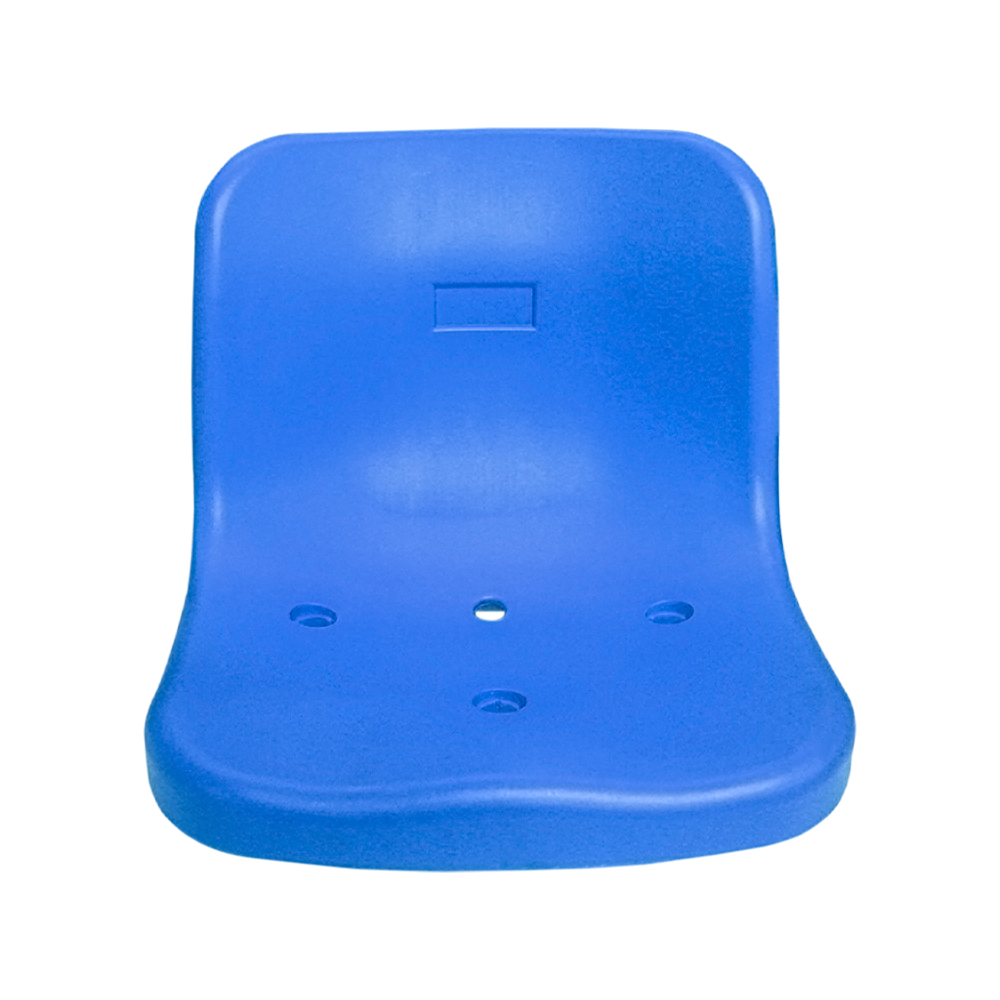
The Material Decision Behind Spectator Experience
Stadium seats face punishing conditions: UV exposure across 2,000+ sunlight hours annually, temperature swings from freezing to 40°C, cleaning chemicals between events, and thousands of occupancy cycles per season. Material selection determines the maintenance budget, replacement frequency, and fire safety compliance for the venue's entire seating lifecycle.
A football stadium in West Africa replaced metal bench seating with UV-stabilized polypropylene chairs after measuring surface temperatures exceeding 70°C during afternoon matches — conditions making seating painful and reducing spectator stay time. The change reduced peak temperature by approximately 25°C and eliminated the annual repainting cycle that metal required for coastal corrosion control.
Plastic-Based Seat Materials
Polypropylene (PP)
Injection-molded polypropylene dominates mid-range stadium seating. Raw material cost runs 40–60% below aluminum. UV stabilizers compounded during manufacturing — not applied as coatings — provide colorfastness throughout material thickness, meaning scratches do not expose differently-colored substrate. The structural design exploits flexibility: seats flex under impact then return to shape, eliminating the dented backs and bent armrests accumulating on metal seating.
Fire performance meets EN 12727 and BS 5852 through flame-retardant additives interrupting combustion. The self-extinguishing property matters in enclosed stands where egress depends on seating not contributing to flame spread or toxic smoke.
Glass-Reinforced Polypropylene
Glass fiber at 20–30% loading increases stiffness, enabling thinner sections that reduce weight by 15–20%. The trade-off is reduced impact toughness — glass-filled PP cracks under loads unfilled PP absorbs through flexure. Applications favor thin-profile tip-up seats where stiffness prevents excessive deflection.
Metal Seat Materials
Aluminum
Aluminum serves premium segments where corrosion resistance and refined appearance justify roughly double the per-seat cost of polypropylene. The passive oxide layer prevents oxidation fundamentally different from steel's active rust. Coastal installations favor aluminum over ferrous alternatives.
Structural efficiency translates to installation advantage: aluminum tip-up seats at 4–6 kg versus steel at 7–10 kg. Over 10,000 seats, the 30–40 ton reduction cascades into lighter structures and smaller foundations. The weight savings alone can justify the material premium on cantilevered upper tiers.
Steel with Protective Coatings
Powder-coated or galvanized steel provides lowest initial cost for fixed bench seating. However, coating integrity determines service life — a single scratch initiates corrosion spreading under surrounding coating. Annual touch-up is essential for coastal installations. Maintenance cost over 20 years often exceeds initial savings versus aluminum or polypropylene.
Composite and Specialty Materials
Compact Laminate (HPL)
High-pressure laminate — phenolic-impregnated kraft paper under heat and pressure — provides extreme durability resisting scratching, graffiti, burns, and chemicals beyond any thermoplastic. Trade-offs include higher weight and cost with limited formability. HPL suits areas subject to deliberate damage — supporters' sections, public concourses — where vandalism resistance justifies the premium. The through-colored core means damage stays the same color rather than exposing contrasting substrate.
Frequently Asked Questions
Which stadium seat material offers the best value for outdoor venues?
UV-stabilized polypropylene delivers optimal durability, colorfastness, and per-seat cost. The 20–25 year service life with minimal maintenance produces total cost approximately 40% below coated steel over the lifecycle. Shenzhen Flyon Sports supplies injection-molded PP seating certified to EN 12727.
How does polypropylene seating perform in extreme heat?
UV-stabilized PP reflects more solar radiation than dark metal, resulting in 15–25°C lower peak temperatures. Light colors maximize this benefit. Material maintains structural integrity to approximately 90°C, far above realistic ambient-plus-solar conditions.
Do aluminum stadium seats corrode in coastal environments?
Aluminum's natural oxide provides inherent corrosion resistance without coating failure risk. Marine-grade alloys (5000/6000 series) enhance pitting resistance. The absence of coating degradation makes aluminum the preferred metal for seaside stadiums.
What fire safety standards apply to stadium seating materials?
EN 12727 specifies fire performance for public building furniture. Materials must demonstrate limited flame spread, controlled smoke, and absence of flaming droplets. PP achieves compliance through flame-retardant additives. Steel and aluminum inherently meet combustion requirements.
Can stadium seats be customized in different colors?
Injection-molded PP accepts pigment during manufacturing for integral color. Custom colors require minimum 500–1,000 seats. Painted metal offers unlimited options but requires periodic repainting. Aluminum accepts anodizing in limited colors or powder coating for broader options.
What is the lifespan difference between polypropylene and metal stadium seats?
PP seats deliver 20–25 years with UV-stabilized formulations. Aluminum lasts 30+ years beyond mechanical damage. Coated steel lasts 10–15 years before coating failure in outdoor installations. Material choice should reflect the venue's expected operational lifespan and maintenance budget. For venues planning 25-year operational horizons, PP provides lifecycle cost advantage. For legacy venues expecting 40+ year service, aluminum's indefinite corrosion resistance justifies the higher initial investment through eliminated repainting and replacement cycles.
How does seat material affect venue acoustics and spectator comfort?
Polypropylene and HPL absorb less sound than upholstered alternatives but contribute to overall venue reverberation minimally compared to the dominant acoustic factors of roof geometry and wall surfaces. PP seats with contoured ergonomic profiles provide comparable short-duration comfort to padded seats for events under three hours. For extended events exceeding three hours, removable seat cushions or upholstered upgrade options improve comfort without committing the entire seating inventory to higher-cost padded specifications.