 EN
EN
 AR
AR
 FR
FR
 PT
PT
 RU
RU
 ES
ES
 BG
BG
 HR
HR
 CS
CS
 DA
DA
 NL
NL
 FI
FI
 DE
DE
 EL
EL
 HI
HI
 IT
IT
 JA
JA
 KO
KO
 NO
NO
 PL
PL
 RO
RO
 SV
SV
 CA
CA
 TL
TL
 ID
ID
 SR
SR
 SK
SK
 UK
UK
 VI
VI
 HU
HU
 TH
TH
 TR
TR
 MS
MS
 AZ
AZ
 KA
KA
 BN
BN
 LO
LO
 MN
MN
 MY
MY
 UZ
UZ


 EN
EN
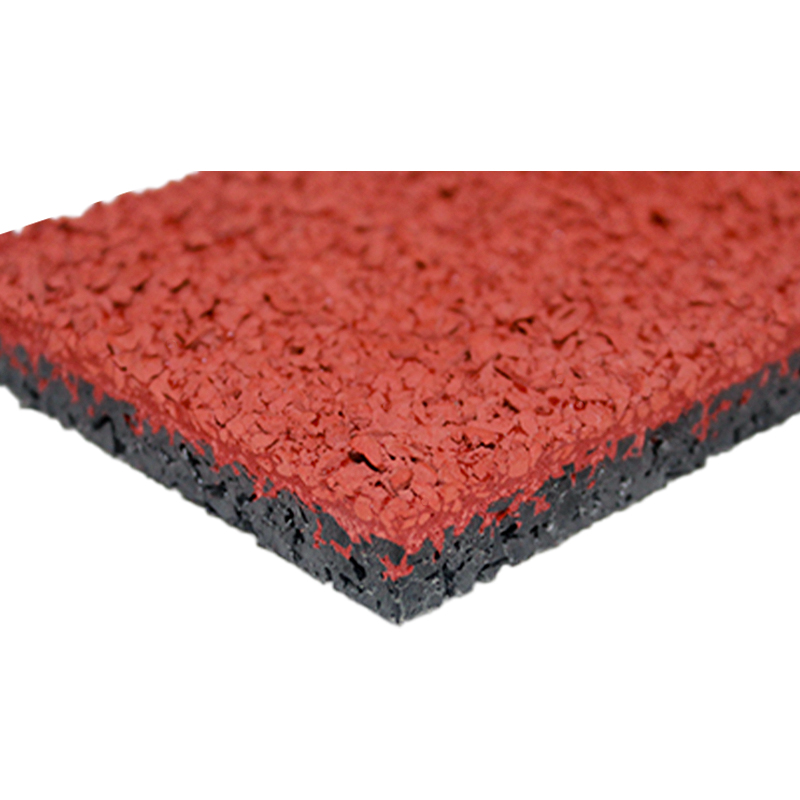
The Flexibility Challenge in Running Track Design
Standardized 400-meter ovals serve international competition, but most venues requiring synthetic surfaces — school fields, community centers, training facilities — operate within spatial constraints making standard dimensions impractical. A polyurethane track on a site limited to 80 meters cannot accommodate a full oval, yet the athletes training there need the same injury-reducing surface as Olympic-grade facilities.
Customization solves this. Pour-in-place polyurethane systems allow installers to apply the surface to any base geometry — straight sprint lanes of 60 or 100 meters, curved jogging paths through parkland, multi-lane straights integrated into existing plazas. The material adapts to the space rather than demanding the space conform to the track.
A community sports center in Nairobi needed a training surface for sprinters on a narrow parcel between existing football fields. The installed polyurethane track — a 130-meter six-lane straight with a 60-meter return path — delivered competition-grade quality on 40% of the footprint a standard oval would require. Athletes training there qualified for national competition within two seasons.
Material Properties Enabling Customization
Pour-in-Place Application Mechanics
Polyurethane track surfaces begin as liquid components mixed on-site with EPDM rubber granules and poured onto prepared asphalt or concrete bases. The liquid state before curing allows installers to screed material to any thickness, edge geometry, or lane configuration. Curing through chemical cross-linking produces a seamless surface without the adhesive joints that prefabricated roll systems introduce.
Thickness customization affects performance. Competition surfaces targeting IAAF certification pour at 13–15mm. Training surfaces pour at 9–11mm, reducing material cost while maintaining adequate shock absorption. The same polyurethane chemistry supports both profiles.
Color and Marking Integration
Polyurethane binder accepts pigment during mixing, producing integral color through material thickness rather than a surface coating that wears away. Red is international standard, but blue, green, and grey serve institutional branding. Lane markings integrate by spraying contrasting polyurethane coatings rather than adhesive tapes, eliminating trip hazards as tape degrades.
Performance Layers in Custom Configurations
The base mat layer at 8–10mm contains larger EPDM granules creating the elastic impact-absorbing foundation. IAAF Class II requires 35–50% force reduction — determined by base layer formulation and thickness. High-elongation polyurethane binders prevent cold-climate micro-cracking. Shenzhen Flyon Sports validates systems from -30°C to 70°C operational range.
The structural spray layer at 2–3mm bridges the elastic base to the textured wearing course, using finer granules that fill surface irregularities for consistent spike traction. The wearing course — 2mm of pigmented polyurethane with aggregate — provides the surface that running spikes engage without tearing.
Site Adaptation Strategies
Custom track design begins with CAD-based layout optimization balancing lane count against site dimensions. Four-lane 100m straights serve sprint training on narrow parcels. Six-lane 200m ovals fit inside existing athletic field perimeters. J-shaped configurations combine a straight sprint section with a single curved turn for hurdle training.
Base preparation remains consistent regardless of geometry: minimum 40mm asphalt on compacted aggregate with surface regularity within 3mm over 3 meters. Drainage gradients of 0.5–0.8% prevent standing water. Modular repairability means damaged sections in custom configurations can be replaced individually without full resurfacing — a significant lifecycle cost advantage for irregularly shaped installations.
Frequently Asked Questions
Can a polyurethane track be installed on irregularly shaped sites?
Yes. Pour-in-place systems apply to any base geometry. The liquid application conforms to whatever edge form the base provides. Shenzhen Flyon Sports offers CAD-based layout design optimizing lane count and geometry within site constraints.
What is the difference between sandwich and full-pour polyurethane track systems?
Sandwich systems layer pre-fabricated rubber mat as the elastic base with spray-applied polyurethane on top. Full-pour systems mix all layers on-site. Sandwich installs approximately 40% faster; full-pour provides superior thickness consistency. Both deliver IAAF-certifiable performance.
How thick should a polyurethane track be for different usage levels?
International competition: 13–15mm. School and recreational: 9–11mm. Thickness specification should match intended competition level. Training surfaces pour thinner, reducing material cost while maintaining adequate shock absorption for non-competitive use.
What base preparation is required before polyurethane track installation?
Asphalt bases need minimum 40mm thickness on compacted aggregate. Concrete requires surface grinding for mechanical key. Both must achieve surface regularity within 3mm over 3 meters. Drainage gradients of 0.5–0.8% prevent standing water that degrades the polyurethane-to-base bond. The asphalt or concrete must cure completely — typically 28 days for concrete — before polyurethane application begins, as residual moisture vapor from uncured substrate creates blistering beneath the finished surface.
How do custom polyurethane tracks handle thermal expansion?
High-elongation formulations accommodate movement through flexibility rather than expansion joints. Formulations validated from -30°C to 70°C with expansion below 2% prevent cracking and softening at extremes. Installation in harsh climates requires formulation adjustment.
What is the service life of a customized polyurethane track?
Properly maintained tracks deliver 12–18 years for recreational use, 10–15 years for high-use competition venues. The wearing course can be resurfaced at year 8–10, restoring traction without replacing base layers. Sandwich systems from manufacturers like Shenzhen Flyon Sports enable partial section refurbishment of damaged areas rather than complete track replacement.