 EN
EN
 AR
AR
 FR
FR
 PT
PT
 RU
RU
 ES
ES
 BG
BG
 HR
HR
 CS
CS
 DA
DA
 NL
NL
 FI
FI
 DE
DE
 EL
EL
 HI
HI
 IT
IT
 JA
JA
 KO
KO
 NO
NO
 PL
PL
 RO
RO
 SV
SV
 CA
CA
 TL
TL
 ID
ID
 SR
SR
 SK
SK
 UK
UK
 VI
VI
 HU
HU
 TH
TH
 TR
TR
 MS
MS
 AZ
AZ
 KA
KA
 BN
BN
 LO
LO
 MN
MN
 MY
MY
 UZ
UZ


 EN
EN
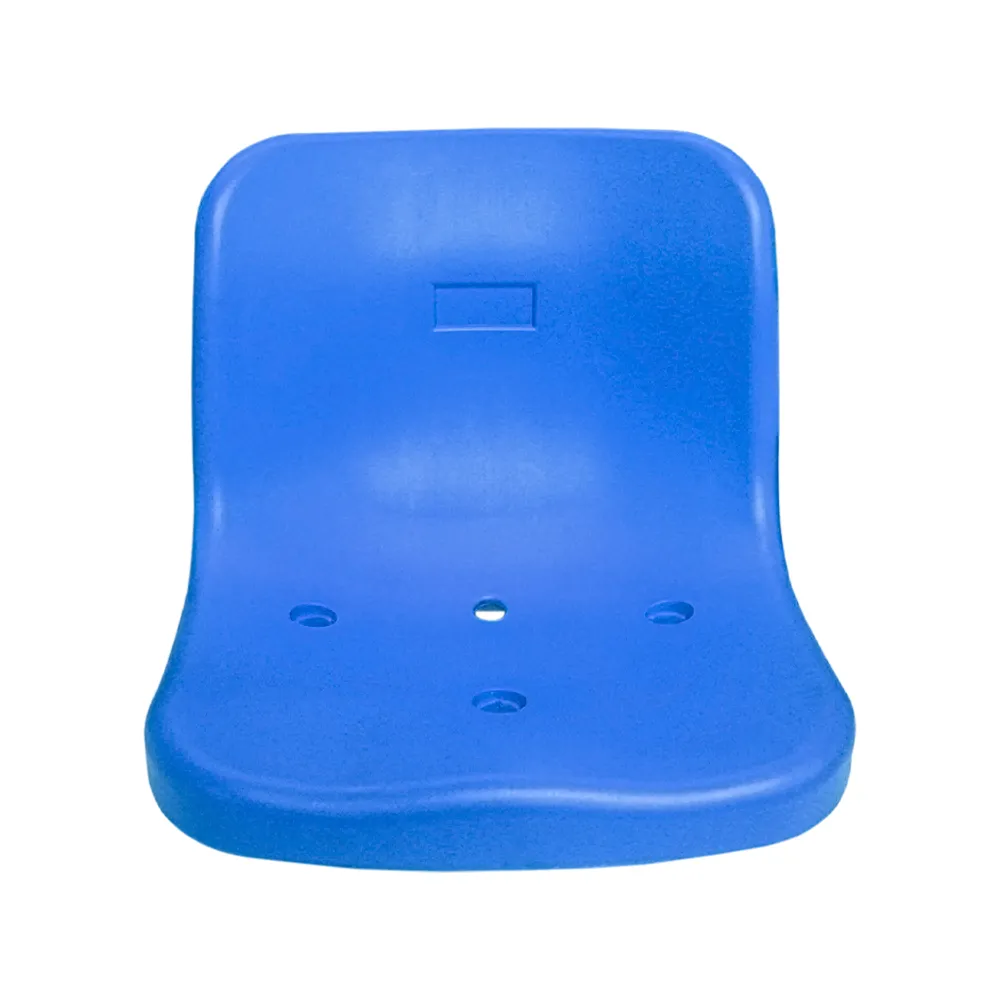
Sitting Through the Game: How Ergonomic Gymnasium Benches Turn Hours of Spectating Into Comfort
A basketball tournament runs from 9 AM to 9 PM. A season-ticket holder sits through four games, rising and settling back onto the same bench seat dozens of times — roughly 10 hours of cumulative seated pressure on the same contact points of the thighs, pelvis, and lower back. A flat wooden bench concentrates the body's weight onto the ischial tuberosities — the "sit bones" — at pressures exceeding 50 kPa, compressing the soft tissue between bone and bench surface and restricting blood flow to the area. After 40–60 minutes, the compression causes the discomfort that spectators relieve by shifting position. After 3–4 hours, the accumulated compression can cause residual soreness that persists into the following day.
An ergonomic gymnasium bench addresses this through contouring that distributes body weight across a larger contact area, backrest geometry that supports the lumbar spine without forcing an unnatural posture, and materials that provide controlled deflection under load — firm enough to support body weight without bottoming out, compliant enough to conform to individual body shape. The design challenge is achieving ergonomic performance across a population that spans the 5th-percentile female to the 95th-percentile male in a single bench profile that must also be durable, cleanable, and space-efficient for the venue operator.
How Bench Design Affects Body Pressure
The Contact Area Principle
Pressure equals force divided by area. For a 75 kg spectator, the seated weight borne by the bench surface is approximately 55–60 kg (the remainder is supported by the feet on the floor and the back against the backrest). On a flat bench, this load concentrates on roughly 80–100 cm² of contact area under the ischial tuberosities — producing localized pressure of 50–60 kPa. A contoured bench that distributes the same load across 200–250 cm² of thigh and pelvic contact area reduces the peak pressure by 50–60%, bringing it below the threshold at which soft-tissue compression causes discomfort within the typical event duration.
The contouring achieves this by supporting the thighs along their length rather than only at the sit-bone contact points. A subtle dip in the seat profile — 10–15 mm of curvature across the width of the seating surface — cradles the thighs without creating a "bucket" effect that restricts movement when standing up or shifting position. The front edge of the bench should be radiused (rounded downward) to prevent the sharp pressure line across the underside of the thighs that straight-edged benches create — a detail that is invisible to the eye but immediately noticeable to the body after 30 minutes of sitting.
Backrest Geometry
A backrest that tilts rearward at 10–15 degrees from vertical transfers a portion of the upper-body weight from the spine to the backrest surface, reducing the compressive load on the lumbar discs. The backrest should contact the lumbar region (the inward curve of the lower back) with a gentle convex curve that matches the natural lordosis of the spine — too flat and the lower back rounds into a slumped posture; too pronounced and the curve pushes the pelvis forward, creating an unnatural arch. The optimal backrest height supports the thoracic spine without pushing the shoulders forward — typically 35–45 cm above the seat surface.
Flyon Sport manufactures gymnasium benches with ergonomic profiles that incorporate these design principles into products built for the durability demands of sports venues. The company's spectator seating product line — which has been installed in major international venues including World Cup stadiums and national sports facilities — combines contoured seat surfaces with materials selected for long-term dimensional stability, impact resistance, and cleanability in high-traffic public environments. The bench designs integrate with Flyon Sport's broader seating portfolio, including fixed chairs, retractable bleachers, and metal structure bleachers, providing venue operators with consistent ergonomic quality across seating types.
Frequently Asked Questions
What is the difference between an ergonomic bench and a standard flat bench?
An ergonomic bench incorporates contouring that distributes body weight across the thighs and pelvis rather than concentrating it on the sit bones. The seat profile typically includes a subtle dip and a radiused front edge. Ergonomic models also include a backrest with lumbar support, while flat benches may be backless or have a straight vertical backrest.
How thick should the bench seat material be for comfort?
Seat material thickness alone does not determine comfort — a thick, hard material is less comfortable than a thinner material with the right contour and compliance. For polymer bench seats, a minimum thickness of 15–20 mm provides adequate structural support, with the comfort coming from the seat profile geometry rather than material thickness. Flyon Sport's bench seats balance material economy with ergonomic shaping.
Can ergonomic benches be used outdoors?
Yes — when manufactured from UV-stabilized, weather-resistant materials. Outdoor benches require drainage provisions (gaps or channels to prevent water pooling on the seat surface), UV-stabilized polymers that resist fading and embrittlement, and stainless steel or coated fasteners that resist corrosion. Flyon Sport provides weather-resistant bench options for outdoor stadium applications.
How do ergonomic benches affect venue seating capacity?
Ergonomic benches with contoured profiles typically require 45–50 cm of width per seat position, compared to 40–45 cm for flat benches. The additional width accommodates the contoured shape and provides personal space that reduces the shoulder-to-shoulder crowding that flat benches create. The capacity trade-off is modest and is offset by improved spectator satisfaction and longer dwell times.
What maintenance do gymnasium benches require?
Routine cleaning with mild detergent and water removes surface dirt and body oils. Annual inspection of mounting fasteners and structural connections confirms the benches remain securely attached to the supporting structure. Polymer bench seats require no painting, sealing, or refinishing — a maintenance advantage over wood benches that need periodic sanding and re-coating.
Are replacement bench seats available for existing bleacher structures?
Flyon Sport manufactures replacement bench seats compatible with standard bleacher mounting configurations. Venue operators upgrading from flat benches to ergonomic profiles can typically reuse the existing support structure. The manufacturer provides dimensional specifications and mounting-pattern verification to confirm compatibility before ordering.