 EN
EN
 AR
AR
 FR
FR
 PT
PT
 RU
RU
 ES
ES
 BG
BG
 HR
HR
 CS
CS
 DA
DA
 NL
NL
 FI
FI
 DE
DE
 EL
EL
 HI
HI
 IT
IT
 JA
JA
 KO
KO
 NO
NO
 PL
PL
 RO
RO
 SV
SV
 CA
CA
 TL
TL
 ID
ID
 SR
SR
 SK
SK
 UK
UK
 VI
VI
 HU
HU
 TH
TH
 TR
TR
 MS
MS
 AZ
AZ
 KA
KA
 BN
BN
 LO
LO
 MN
MN
 MY
MY
 UZ
UZ


 EN
EN
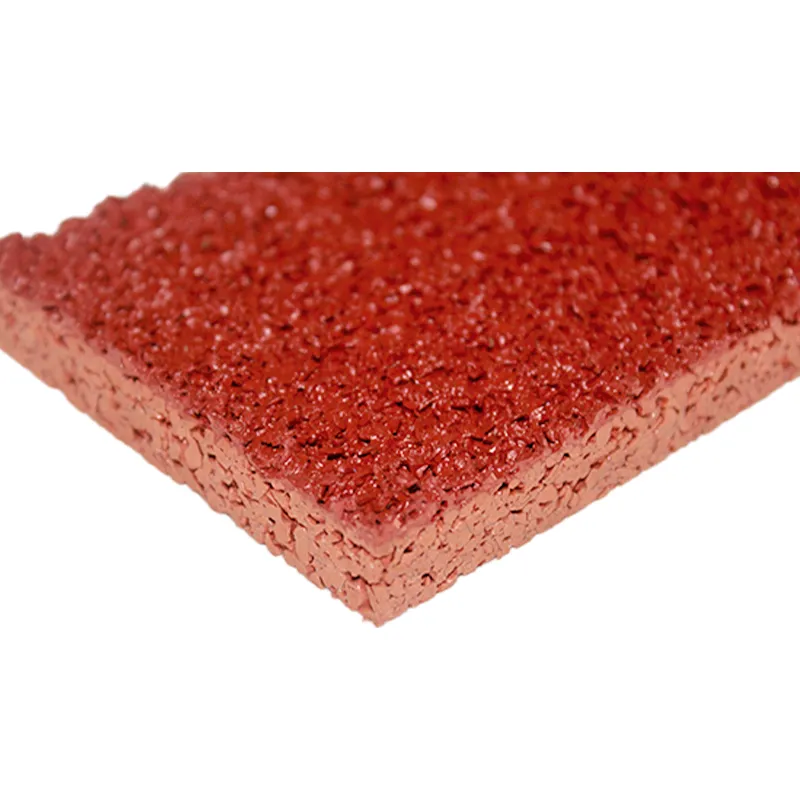
The Investment in Track Longevity
A synthetic outdoor running track represents a capital investment of 200,000 to 500,000 for a typical facility. The surface is engineered to deliver consistent traction and shock absorption for 10 to 15 years — but only with maintenance that begins on day one. Facilities that defer maintenance typically replace their tracks three to five years earlier than those with structured programs.
Environmental Degradation Mechanisms
Synthetic track surfaces face three primary degradation pathways. UV radiation breaks down the polyurethane binder that holds rubber granules together, causing surface embrittlement. Standing water from poor drainage softens the bond between surface and asphalt base, leading to delamination in freeze-thaw climates. Contamination from organic debris and improper footwear attacks the surface mechanically and chemically.
A well-maintained outdoor running track sheds these threats through regular cleaning, drainage management, and usage enforcement. Annual maintenance of 3,000 to 5,000 — roughly 1 to 2 percent of replacement cost — prevents premature replacement costing orders of magnitude more.
Routine Maintenance Procedures
Surface Cleaning
Loose debris — leaves, grass clippings, soil, gravel — should be removed at least weekly using a backpack blower or soft-bristle mechanical sweeper. Decomposing debris creates organic acids that accelerate polyurethane degradation, gradually softening the surface binder in ways visible only after several seasons of neglect. A three-foot perimeter around the entire outdoor running track should be cleared to prevent debris tracking back onto lanes, especially near landscaped areas where mulch and soil migrate onto the surface.
Monthly pressure washing removes embedded dirt and restores slip-resistant surface texture. Settings should not exceed 1,500 psi with a fan-tip nozzle held at least 18 inches from the surface. Higher pressure or closer nozzle placement erodes the rubber granule surface, creating low spots that pond water. Facilities in regions with heavy pollen seasons or adjacent to agricultural areas may need bi-weekly pressure washing during peak debris periods.
Drainage System Maintenance
An outdoor running track needs perimeter drainage and, on crowned installations, a surface gradient of 0.5 to 1 percent. Drainage channels should be cleared quarterly. Water standing longer than 15 minutes after rain indicates a grade depression or base settlement requiring surfacing repair.
Surface Inspection and Minor Repairs
Monthly walking inspections should examine the entire surface for seam separation, blistering, and granule loss. Seam openings exceeding 3 millimeters should be repaired with polyurethane sealant within 30 days. Blisters should be marked and tracked for growth — doubling in three months requires core sampling to determine the failure layer.
Usage Policies That Extend Track Life
Spikes longer than 6 millimeters puncture the surface and create moisture entry points. Spike length should be verified during event check-in and posted at every entrance. Bicycle tires, roller blades, and skateboards concentrate weight on a small contact patch and cut the surface. Vehicles — including maintenance carts — should never drive on the track.
A track should be closed when standing water is present. Snow and ice removal should use plastic shovels or brooms only. Chemical de-icers containing calcium or magnesium chloride attack polyurethane binders and should be prohibited within 10 feet.
A Practical Case: University Track Maintenance Program
A Division II university's outdoor running track showed significant wear after seven years — three to five years earlier than expected. Investigation revealed the maintenance program consisted of occasional debris removal without scheduled cleaning, drainage inspection, or usage enforcement. Three seam separations had been unrepaired for over two years.
The university implemented a structured program using products and guidance from Flyon Sport, a manufacturer of synthetic track surfaces. The program included weekly debris removal, monthly pressure washing, quarterly drainage checks, and immediate seam repair. Spike restrictions were enforced. Over three years, the rate of new surface defects decreased by 70 percent, extending the estimated replacement timeline by five to seven years. The 4,200 annual maintenance cost replaced what would have been a 280,000 replacement project.
Seasonal and Long-Term Maintenance
In freeze-thaw climates, a final drainage inspection before the first freeze prevents ice heaving in channels. Expansion joint sealant should be inspected and replaced if cracked. Full resurfacing — applying a new polyurethane wear layer — is typically required at years 8 to 12, costing 25 to 35 percent of full replacement and extending life by 5 to 8 years.
Frequently Asked Questions
How often should an outdoor running track be cleaned?
Weekly debris removal, monthly pressure washing, and quarterly drainage inspection are standard. High-debris environments with overhead trees may require twice-weekly dry cleaning.
What causes seam separation on synthetic tracks?
Water infiltration through unrepaired punctures, freeze-thaw cycling, and thermal expansion. Seam openings exceeding 3 millimeters should be repaired within 30 days.
Can a synthetic running track be repaired without full closure?
Small repairs under 1 square meter can be performed overnight. Larger repairs exceeding 10 square meters require 24 to 48 hours of lane closure for curing.
What spike length is safe for synthetic tracks?
Spikes should not exceed 6 millimeters on most outdoor running track surfaces. Manufacturers like Flyon Sport specify maximum spike lengths for their track systems.
How does standing water damage a synthetic track?
Standing water softens the surface-to-base bond, causing delamination. In freeze-thaw climates, penetrating water expands when frozen, accelerating seam separation.
What is the typical lifespan of a properly maintained track?
A synthetic outdoor running track with structured maintenance lasts 12 to 18 years before resurfacing at years 8 to 12 and full replacement at years 18 to 25.