 EN
 AR
 FR
 PT
 RU
 ES
 BG
 HR
 CS
 DA
 NL
 FI
 DE
 EL
 HI
 IT
 JA
 KO
 NO
 PL
 RO
 SV
 CA
 TL
 ID
 SR
 SK
 UK
 VI
 HU
 TH
 TR
 MS
 AZ
 KA
 BN
 LO
 MN
 MY
 UZ


 EN
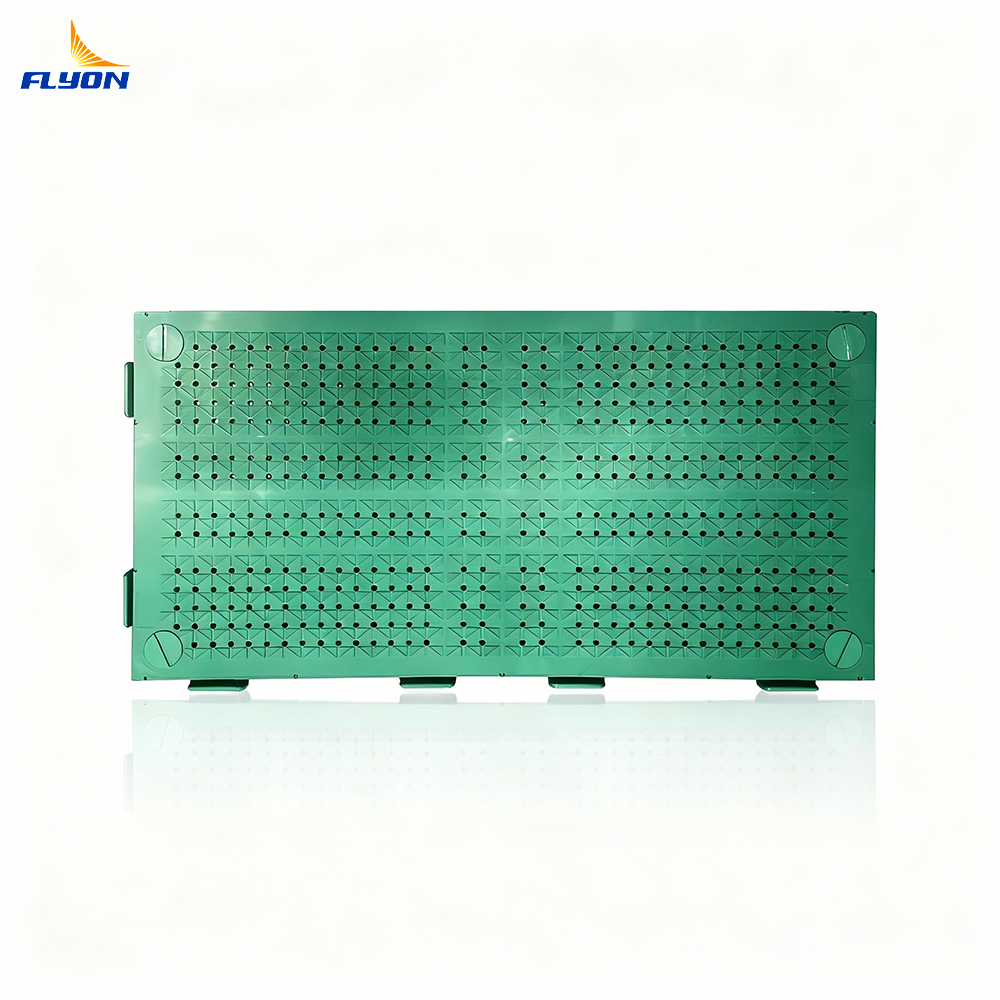
Are Reusable Grass Protection Mats Cost-Effective and Sustainable?
Event infrastructure has a waste problem. Plywood sheets, cheap plastic matting, and single-use ground cover accumulate in skips after every event, and the disposal cost lands on the organizer long after the ticket revenue is spent. Reusable grass protection mats address both halves of that problem: they protect turf through the event, and they return to the inventory for the next one. The economics improve with every reuse, and the sustainability case follows the same arithmetic, since a mat system that survives a hundred installations displaces a hundred sets of disposable alternatives. The variables that decide whether the promise holds are durability, lifecycle management, and honest accounting of handling labor.
Real-World Industry Case / Scenario
An Events Company's Three-Season Comparison
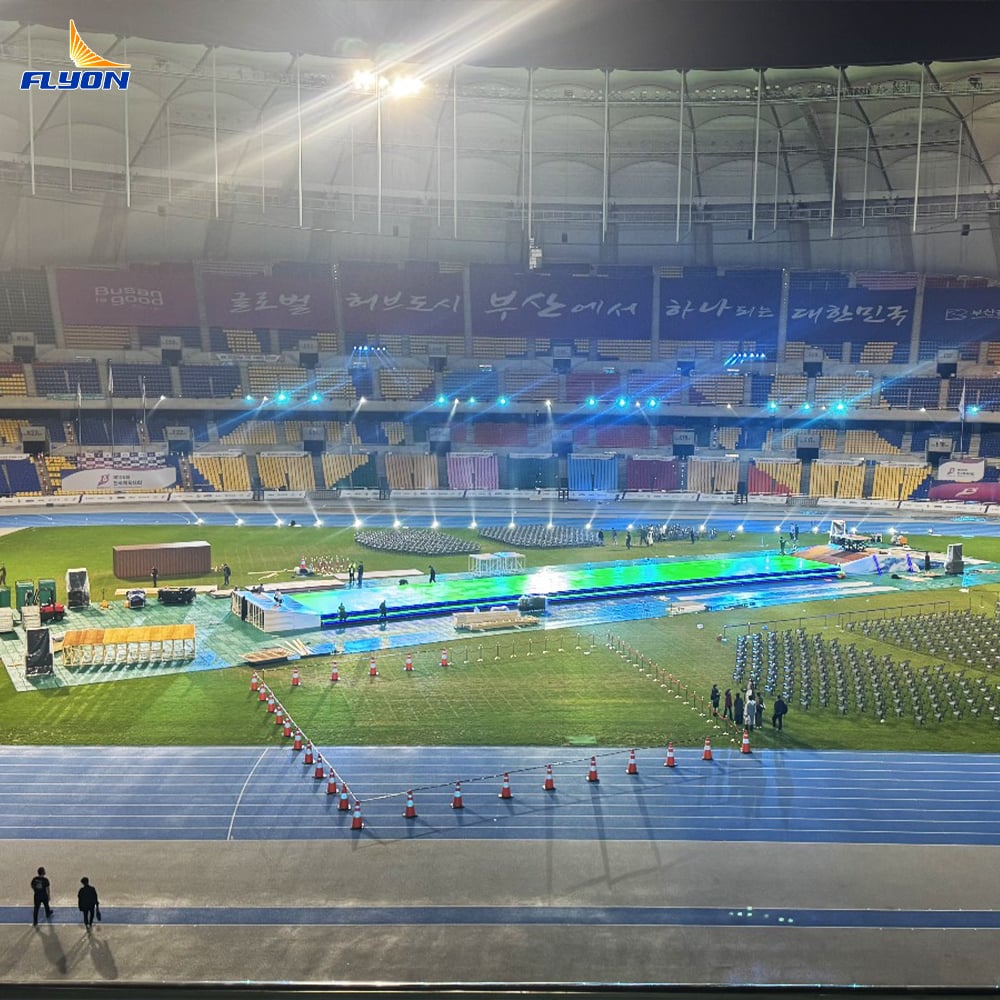
An events company running outdoor festivals and corporate days compared its historical single-use practice against a purchased inventory of interlocking grass protection mats across three seasons. The previous approach used plywood for vehicle routes and cheap matting for pedestrian areas, replaced each season and largely discarded afterward. The grass protection mats covered pedestrian routes, vehicle access, and staging areas across roughly forty events per year. The company tracked purchase and replacement costs, installation and removal labor, transport and storage costs, disposal costs avoided, and turf condition reports from the venues.
The comparison favored reuse decisively. Per-event ground protection cost fell once the inventory of grass protection mats amortized across the season, and the elimination of disposal skip costs removed a line item that had been invisible in planning. Venue feedback improved as well: turf under the mats recovered faster than turf under plywood, because the mats distributed load while still allowing light and water to reach the grass. Handling labor remained the largest operating cost, which is why mat weight and interlock design became the company's primary purchasing criteria for future inventory.
Risk & Failure Mode Analysis
UV Degradation and Material Fatigue
Reusable mats live outdoors, and ultraviolet exposure is their primary aging mechanism. Plastics without adequate UV stabilization become brittle, crack under load, and eventually fail in ways that turn a mat into debris on the turf. Freeze-thaw cycles compound the damage in cold seasons, where water expands in microcracks. Quality UV-stabilized grass protection mats are rated for outdoor service life, and the honest specification states an expected number of reuse cycles rather than implying indefinite life. Mats at the end of their service life should be retired, since a cracked mat protects nothing and creates a trip hazard.
Reuse economics depend on logistics as much as material quality. Mats stored in unstable stacks warp, and mats stacked wet grow mold and stain the turf beneath them on the next install. Installation errors create the failures that grass protection mats are supposed to prevent: gaps between the mats concentrate wheel load, edges curl, and unsecured runs shift under traffic. The corrective practices are unglamorous but decisive: clean and dry storage on pallets, documented installation patterns for routes and load areas, and edge securing where traffic turns. A mat system managed this way delivers the lifecycle its price assumes.
Technical Principles & Standard Compliance
Load Distribution and Ground Pressure
Turf damage is a function of ground pressure, and grass protection mats work by increasing the contact area over which vehicle and foot loads are distributed. A wheel that concentrates load on a small contact patch sinks and ruts; the same wheel crossing grass protection mats spreads that load across the mat's area and into a wider footprint beneath. Mat thickness, material stiffness, and interlock design determine how effectively load spreads, and the mat's rated load capacity must exceed the heaviest vehicle that will cross it. Pedestrian routes and vehicle routes are different specifications for grass protection mats, and mixing them up is the most common cause of mat failure in the field.
Materials, Permeability, and Turf Health
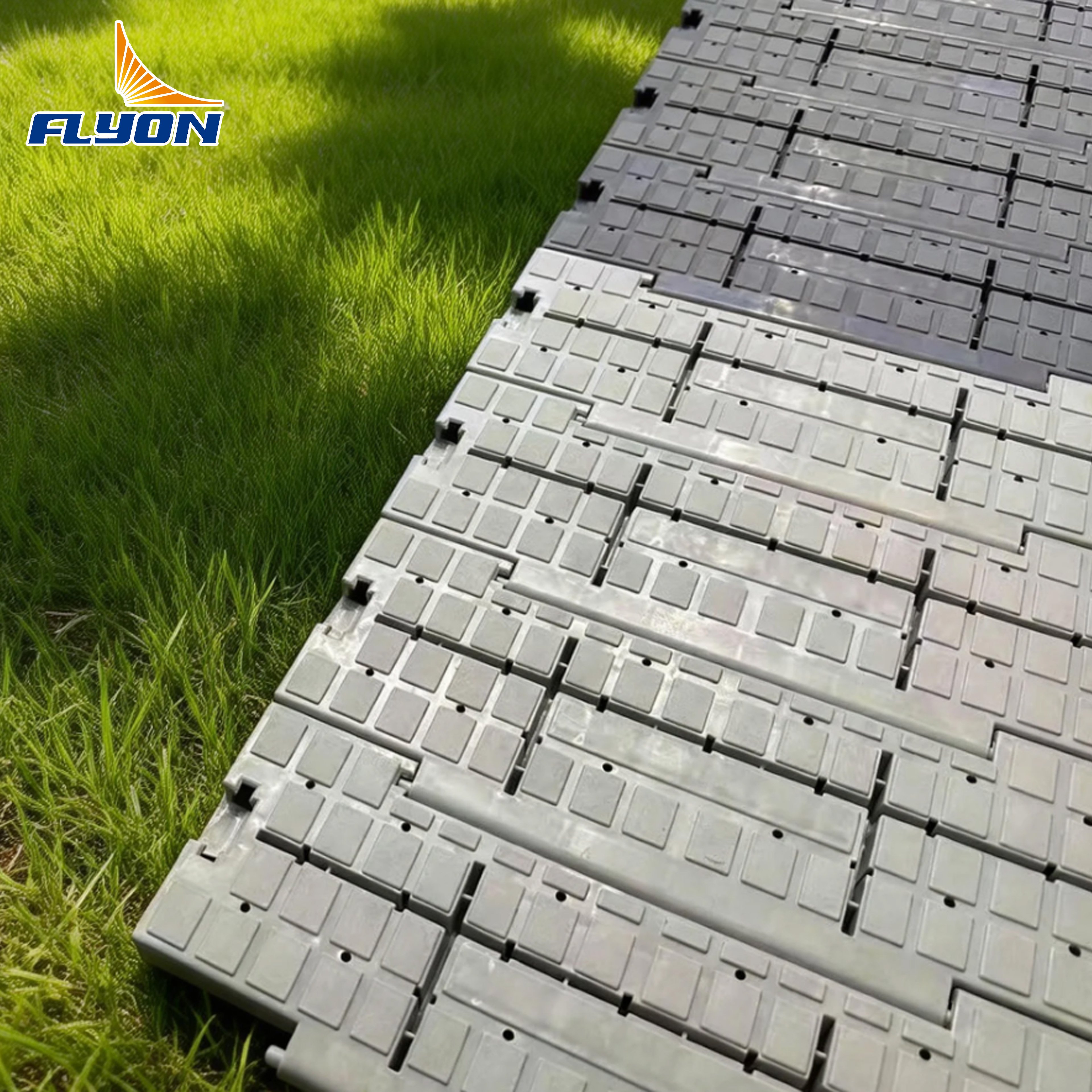
Protection that blocks light and water converts turf protection into turf damage over a multi-day event. Grass protection mats with open or partially open structure allow light penetration and rainfall to reach the grass, which keeps the root zone alive during covered periods and shortens recovery after removal. Common materials include UV-stabilized polyethylene and recycled plastic composites, selected for durability, weight, and permeability. Where grass protection mats serve load-bearing roles, rubber and composite variants provide higher load capacity at higher weight. The specification should balance the three properties explicitly, since optimizing any one of them in isolation produces a mat that fails at its actual duty.
Actionable Buyer & Maintenance Guide
Evaluating Lifecycle Cost
Lifecycle cost per event, not purchase price per square meter, is the correct comparison for grass protection mats. The calculation includes the amortized purchase cost across expected reuse cycles, handling labor for installation and removal, transport and storage costs, cleaning and inspection labor, replacement of damaged units, and the disposal cost avoided. An inventory of grass protection mats that costs three times a single-use alternative but delivers fifty reuse cycles wins that comparison by a wide margin. Procurement teams should require documented reuse cycle ratings from suppliers and should track actual damage rates to validate them.
Maintenance and Inventory Management
A reuse program needs an inventory discipline. Grass protection mats should be inspected after each event for cracks, warping, and damaged interlocks, with damaged units removed from service rather than stacked for future failure. Cleaning between events removes soil and organic matter that would otherwise stain turf and harbor growth. Storage on pallets, out of standing water, preserves flatness and extends life. Tracking units in service, units in repair, and units retired converts the inventory from a pile of plastic into a managed asset. Suppliers of reusable event ground protection such as Shenzhen-based Flyon Sport support this discipline with rated product data and replacement part availability.
Frequently Asked Questions
Question 1: How many times can grass protection mats be reused?
Answer: Quality UV-stabilized grass protection mats are typically rated for dozens to well over a hundred installation cycles, depending on material, load duty, and handling discipline. Actual life depends on storage and installation practices as much as on the material, since cracked, warped, and sun-embrittled units fail early. Suppliers should document expected reuse cycles, and operators should track real damage rates to validate those ratings against their own duty.
Question 2: Are reusable mats cheaper than plywood or single-use matting?
Answer: Over a season, yes, in most cases. Reusable grass protection mats carry a higher purchase price but amortize across many events, eliminate disposal costs, and reduce replacement purchases. Handling labor is the largest ongoing cost, which makes mat weight and installation speed important selection criteria. The comparison should be made on lifecycle cost per event rather than on purchase price per square meter.
Question 3: Do mats block light and water from reaching the grass?
Answer: Well-designed mats do not. Permeable or partially open grass protection mats allow light penetration and rainfall to reach the turf during covered periods, which keeps the root zone alive and shortens recovery time after removal. Fully solid mats or impermeable coverings risk turf damage that exceeds the traffic damage they prevent. Permeability should be a stated specification when selecting grass protection mats.
Question 4: What maintenance keeps a mat inventory serviceable?
Answer: Inspect grass protection mats after each event for cracks, warping, and damaged interlocks, and remove damaged units from service. Clean mats between events to remove soil and organic material, and store them on pallets out of standing water to preserve flatness. Tracking units in service, in repair, and retired converts the inventory into a managed asset and reveals the real reuse rate for lifecycle costing.