 EN
EN
 AR
AR
 FR
FR
 PT
PT
 RU
RU
 ES
ES
 BG
BG
 HR
HR
 CS
CS
 DA
DA
 NL
NL
 FI
FI
 DE
DE
 EL
EL
 HI
HI
 IT
IT
 JA
JA
 KO
KO
 NO
NO
 PL
PL
 RO
RO
 SV
SV
 CA
CA
 TL
TL
 ID
ID
 SR
SR
 SK
SK
 UK
UK
 VI
VI
 HU
HU
 TH
TH
 TR
TR
 MS
MS
 AZ
AZ
 KA
KA
 BN
BN
 LO
LO
 MN
MN
 MY
MY
 UZ
UZ


 EN
EN
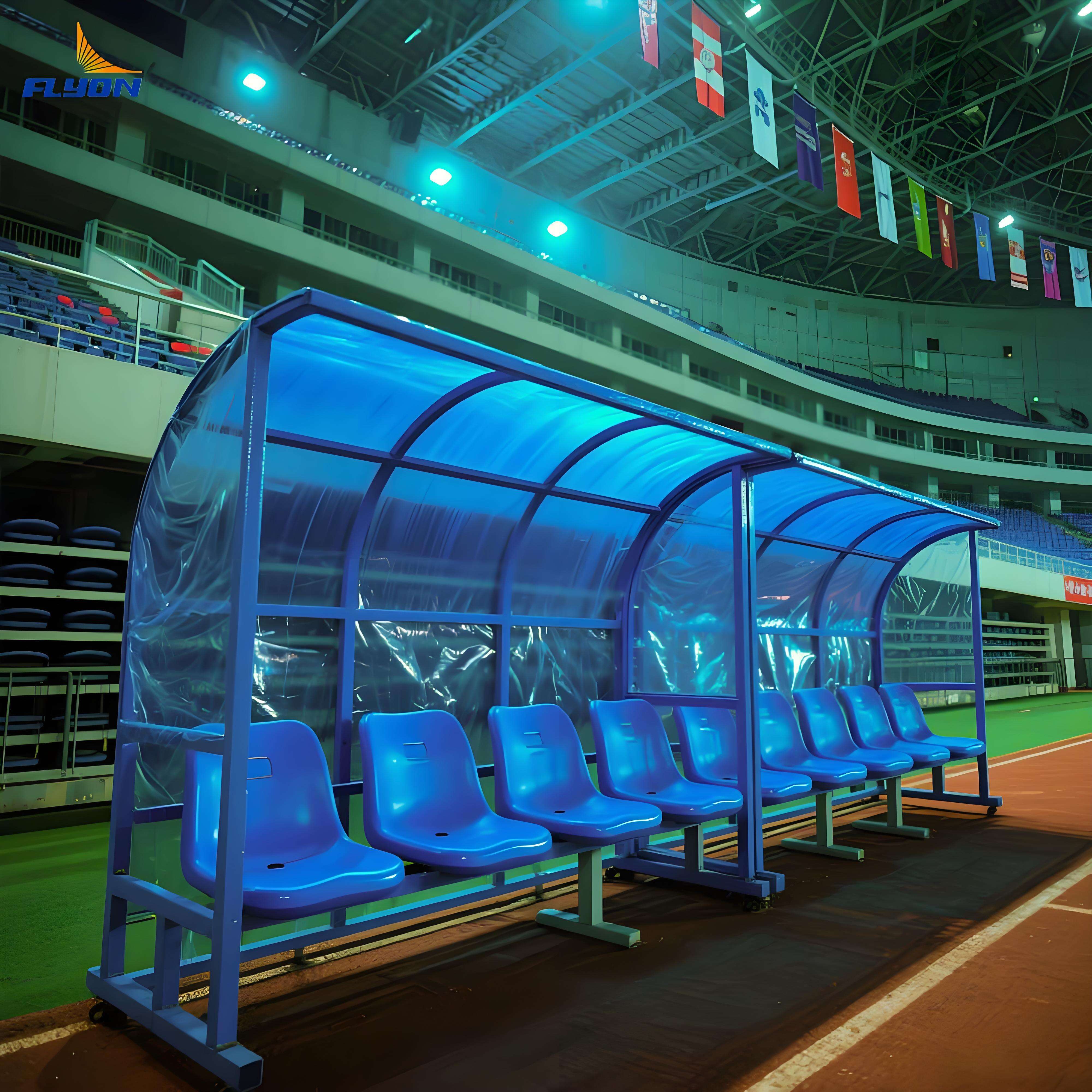
How Stadium Seating Design Has Evolved
A World Cup stadium in 1994 and one in 2026 share a common purpose — seating tens of thousands — but the stadium chairs installed in each represent entirely different eras of design. The 1994 seat was a single-piece plastic shell bolted to concrete. The 2026 seat may fold automatically, include integrated connectivity, and be manufactured from recycled marine plastic. The evolution reflects shifts in spectator expectations and material technology.
From Bleachers to Ergonomic Individual Seats
The global stadium seating market was valued at approximately $1.83 billion in 2025, growing as venues upgrade from bench bleachers to individual stadium chairs. Individual seats define capacity precisely — critical for ticketing, evacuation planning, and compliance. Ergonomic contouring with lumbar support and waterfall seat fronts reduces spectator fatigue during events lasting three hours or more. The difference between a contoured seat and a flat bench is measurable in spectator satisfaction and repeat attendance.
Real-World Case — A Multi-Purpose Arena Goes Modular
A 15,000-seat arena in Southeast Asia transitioned from basketball-only to hosting concerts, esports, and trade exhibitions. Fixed stadium chairs on concrete risers could not accommodate the variable layouts each event demanded. The venue installed modular telescopic seating — retractable platforms carrying foldable seats deployable by a small crew in under 4 hours. Seat count flexibility between 8,000 and 15,000 created new revenue streams from events previously impossible to host. The modular system paid for itself within two years through event diversification.
Material Innovation Driving Modern Stadium Chairs
UV-Stabilized Polymers, Coated Metals, and Sustainability
Modern stadium chairs use UV-stabilized polypropylene with hindered amine light stabilizers (HALS) that resist the chalking and embrittlement which degrades untreated plastic seats in open-air venues within 3 to 5 years. Glass-fiber-reinforced nylon seat frames offer metal-level structural strength with complete corrosion immunity and roughly 40% less weight than equivalent steel frames — reducing both installation labor and the structural load on the supporting risers. Metal components — brackets, hinges, mounting hardware — increasingly use 304-grade stainless steel or hot-dip galvanized steel with polyester powder coating at 80 to 100 microns. The combination delivers 15 to 20 years of outdoor corrosion protection in stadiums where rain, cleaning chemicals, and spilled beverages create a persistently corrosive micro-environment. Sustainability has entered mainstream specifications: major manufacturers now offer seat shells containing 30% to 50% post-consumer recycled content with full material traceability for green building certification programs such as LEED and BREEAM.
Functional Features Defining Premium Seating
Foldability, Armrests, and Accessibility
Modern stadium chairs incorporate automatic spring-loaded fold mechanisms that widen egress aisles by up to 150 mm per row when vacated — a direct safety benefit for evacuation capacity. Integrated armrests with molded cup holders eliminate break-prone separate attachments. Premium sections add padded cushions with anti-microbial vinyl upholstery and individual climate control vents in enclosed stadiums. Accessibility requirements — ADA in the US, EN 13200 in Europe — mandate dedicated wheelchair positions with companion seating and appropriate sightlines. Leading designs distribute accessible positions across multiple tiers using standard chairs with removable armrests, avoiding segregated zones.
What Venue Operators Should Evaluate
Five Design Criteria for Long-Term Value
First, material durability: request ASTM G154 or ISO 4892 weathering data for the specific polymer grade. Second, fire safety certification: BS 5852 in the UK, CAL 117 in California, EN 12727 in the EU for upholstered seats. Third, maintenance accessibility: seat shells replaceable individually without dismantling adjacent seats. Fourth, sightline compliance with the relevant sport governing body standards. Fifth, lifecycle cost including cleaning, hardware replacement, and vandalism repair over 10 years. Well-chosen stadium chairs last 15 to 25 years — the purchase commits the venue to a spectator experience for a generation.
Frequently Asked Questions
What materials are modern stadium chairs made from?
Modern stadium chairs use UV-stabilized polypropylene or glass-fiber-reinforced nylon for shells, with metal in 304 stainless or galvanized steel with polyester powder coating. Premium models include anti-microbial vinyl upholstery and recycled-content polymers.
How do modular stadium seating systems work?
Modular stadium chairs mount on telescopic platforms extending and retracting on motor-driven carriages. A small crew deploys or collapses thousands of seats in hours, converting venues between sports, concert, and exhibition configurations with different capacities.
Why are folding seats preferred in modern stadiums?
Spring-loaded fold mechanisms return the seat upright when vacated, widening egress aisles by up to 150 mm per row. This improves safety compliance and can reduce the number of required exit routes in the venue design.
What UV protection do outdoor stadium chairs need?
UV-stabilized stadium chairs incorporate HALS in the polymer to resist chalking and embrittlement. Untreated polypropylene degrades within 3 to 5 years outdoors; properly stabilized seats maintain integrity for 15 to 20 years.
How is accessibility addressed in stadium seating design?
ADA and EN 13200 require dedicated wheelchair positions with companion seating. Modern designs distribute accessible positions across multiple tiers using standard stadium chairs with removable armrests, avoiding segregated accessible zones.
What fire safety standards apply to stadium seating?
Upholstered stadium chairs must meet BS 5852 in the UK, CAL 117 in California, or EN 12727 in the EU, depending on venue location. Certification documentation should be verified during procurement.