 EN
EN
 AR
AR
 FR
FR
 PT
PT
 RU
RU
 ES
ES
 BG
BG
 HR
HR
 CS
CS
 DA
DA
 NL
NL
 FI
FI
 DE
DE
 EL
EL
 HI
HI
 IT
IT
 JA
JA
 KO
KO
 NO
NO
 PL
PL
 RO
RO
 SV
SV
 CA
CA
 TL
TL
 ID
ID
 SR
SR
 SK
SK
 UK
UK
 VI
VI
 HU
HU
 TH
TH
 TR
TR
 MS
MS
 AZ
AZ
 KA
KA
 BN
BN
 LO
LO
 MN
MN
 MY
MY
 UZ
UZ


 EN
EN
Mga Pangunahing Materyales na Nagtatakda ng Tinitis ng Track sa Athletics
Polyurethane, Mga Butil ng Goma, at Latex: Pagtutol sa Pagsuot sa Ilalim ng Paulit-ulit na Sprint at Pagtalon
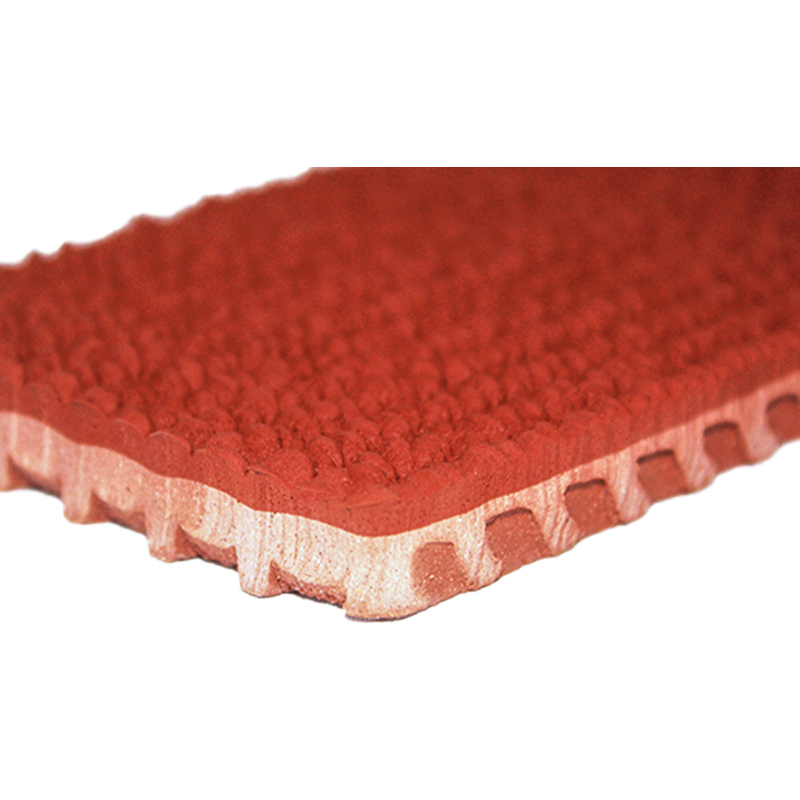
Ang tinitis ng isang track sa athletics ay nagsisimula sa komposisyon ng mga materyales nito. Ang polyurethane—na kadalasang pinagsasama sa mga recycled rubber granules at latex—ay bumubuo ng isang matatag, maraming layer na ibabaw na idinisenyo para sa mataas na impact na paggamit. Ang polyurethane binder ay nagbibigay ng kahutukan at malakas na adhesion, samantalang ang mga butil ng goma ay nagbibigay ng shock absorption at binabawasan ang hardness ng ibabaw. Ang isang karaniwang sistema ay may 13 mm na shock-absorbing base na may 4 mm na textured wear layer sa itaas, na idinisenyo upang tumutol sa deformation mula sa mga spike hanggang 9 mm at panatilihin ang pare-parehong performance sa ilalim ng mabibigat na training load. Ang latex ay nagpapahusay ng elasticity, na sumusuporta sa mabilis na rebound matapos ang bawat hakbang at binabawasan ang long-term fatigue cracking. Ang ganitong pagkakaisa ay nagpapanatili ng bounce, grip, at structural integrity nang higit sa isang dekada—kahit sa ilalim ng elite-level na paggamit.
Katatagan sa UV at Klima: Paano Pinipigilan ng mga Advanced na Pormulasyon ang Pagbibitak at Pagkupas sa Malupit na mga Kapaligiran
Ang pagkakalantad sa kapaligiran ay nagbibigay ng malaking banta sa haba ng buhay ng track. Ang radiation ng UV, mga ekstremong temperatura, at kahalumigmigan ay maaaring pabaguhin ang mga hindi protektadong ibabaw—na nagdudulot ng pagpapakulay, pagkakabrittle, at mikrokracking. Ang mga modernong cross-linked na polymer na formulasyon, na malawakang tinatanggap simula noong 2020, ay nagpapabuti nang malaki ng katatagan laban sa UV at pagtitiis sa init. Ang mga advanced na sistemang ito ay pinipigilan ang pagkakakuning-kuning at pinapanatili ang tensile strength, na nananatiling pare-pareho ang kulay at pagganap kahit matagal nang nakalantad sa direkta na sikat ng araw. Dagdag na mga additive na tumutulong sa paglaban sa klima ay higit pang binabawasan ang expansion at contraction, kaya nababawasan ang peligro ng cracking sa panahon ng freeze-thaw cycles o matagal na pagkakalantad sa mainit na kondisyon. Ayon sa mga pagsusuri sa antas ng pasilidad, ang mga maingat na idisenyong polyurethane track ay nananatiling may hanggang 94% ng orihinal na impact absorption nito kahit matapos nang sampung taon sa mga temperate na klima—na nagpapagarantiya ng patuloy na kaligtasan at pagganap sa iba’t ibang heograpiya.
Mga Subbase at Sistema ng Drainase: Mga Saligan ng Pangmatagalang Isturktura
Aspalto kontra sa Konkreto na mga Subbase: Pag-absorb ng Impact, Paglaban sa Cracks, at Pagkakabahagi ng Beban para sa Estabilidad ng Track sa Athletics
Ang subbase ay ang mahalagang pundasyon na nangangasiwa kung paano tumutugon ang isang athletics track sa paulit-ulit na mataas na impact na pwersa. Ang aspalto ay nag-aalok ng superior na impact absorption dahil sa kanyang likas na flexibility, na nagpapakalma ng enerhiya at binabawasan ang transfer ng stress sa surface layer. Ang kongkreto ay nagbibigay ng mas mataas na dimensional stability at mas pantay na distribution ng load—lalo na mahalaga para sa mga throwing events—ngunit nangangailangan ng expansion joints upang pangasiwaan ang thermal movement. Sa mga rehiyon na madalas magkaroon ng freeze-thaw cycles, ang kaunting flexibility ng aspalto ay tumutulong upang maiwasan ang cracking; ang kongkreto naman ay higit na epektibo kung saan ang long-term rigidity at resistance sa point loading ang pinakamahalaga. Anuman ang napiling materyal, ang optimal na kapal ng subbase (karaniwang 150–250 mm), tamang compaction, at eksaktong grading ay hindi pwedeng balewalain upang maiwasan ang settlement, rutting, o edge failure sa paglipas ng panahon.
Integrated Drainage Design: Pagbawas ng Hydrostatic Pressure upang Panatilihin ang Adhesion ng Surface at Kalusugan ng Base
Ang pagsusulat ng tubig ay nananatiling isa sa pinakakaraniwang dahilan ng maagang pagkabigo ng track. Kung walang epektibong sistemang pang-uga, ang hidrostatikong presyon ay tumataas sa ilalim ng ibabaw, na nagpapahina sa mga adhesive bond at nagpapakilos ng delamination o blistering. Ang isang integrated drainage system ay sumasali sa isang permeable subbase—karaniwang crushed stone o graded gravel—kasama ang geotextile separation fabric upang mapanatili ang matagalang hydraulic conductivity at maiwasan ang soil migration. Ang minimum na 0.5–1.0% longitudinal at transverse slope ay nagdidirekta ng runoff patungo sa catch basins o weep pipes, na nagsisigurado na ang tubig ay lumalabas bago lubusang mabasa ang foundation. Ang disenyo na ito ay nagpaprotekta sa parehong asphalt at concrete subbases laban sa moisture-induced degradation at pinapanatili ang mechanical bond sa pagitan ng mga layer—na kritikal para sa pagpapanatili ng surface responsiveness at kaligtasan ng mga atleta.
Pantay na Pagbibigay-diin sa Pagganap at Kaligtasan: Pagkakapare-pareho at Pag-iwas sa Sugat sa Paglipas ng Panahon
Ang isang matibay na track para sa athletics ay dapat panatilihing may mga katangian ng pagganap na maaasahan—lalo na ang pagbawas ng puwersa, pahalang na depekto, at pagbabalik ng enerhiya—sa buong kanyang buhay-pangserbisyo. Habang lumalabo ang ibabaw nang hindi pantay o nabubuo ang mga lokal na malambot na lugar, ito ay nagdudulot ng kawalan ng katatagan na nagpapataas ng panganib ng pagkakalipad, pagkakalukot, at pagkakabagsak—lalo na sa panahon ng pagpapabilis, pagpapabagal, o mga yugto ng pagtalon. Ang pare-parehong absorpsyon ng shock ay binabawasan ang nakakumulang stress sa muskulo at buto, na direktang sumusuporta sa pag-iwas sa mga sugat sa mga kasukasuan at konektibong tissue. Para sa mga atleta na nagsasanay araw-araw sa buong taon sa mataas na antas ng kompetisyon, ang ganitong katiyakan ay mahalaga: ito ay nagbibigay-daan sa tiwala sa pagpapakita ng mga teknikal na galaw nang walang mga kompensatoryong pag-aadjust na maaaring magdulot ng sobrang paggamit na mga sugat. Sa huli, ang tibay ay hindi lamang tungkol sa haba ng buhay—ito ay tungkol sa pagpapanatili ng konsistensya sa biomekanikal na nagtatakda ng ligtas at mataas na antas ng pagganap sa sports.
Mga Proaktibong Estratehiya sa Paggawa ng Panatilihang Pagganap ng Track para sa Athletics
Mga Pansalitang Pampalawak ng Serbisyo na Nagpapahaba ng Buhay-Pangserbisyo Hanggang sa Higit sa 12 Taon
Ang proaktibong pagpapanatili na batay sa datos ang pinakaepektibong paraan upang palawigin ang buhay-pangserbisyo at panatilihin ang kaligtasan. Ang mga sistematikong pagsusuri kada tatlong buwan—na nakatuon sa mga lugar na madaling wear tulad ng loob na lane, mga linya ng pagsisimula, at mga transisyon sa kurba—ay nagbibigay-daan sa maagang pagtukoy sa pagkawala ng texture, pagbabago ng kulay, o maliit na puringi. Kapag pinagsama sa mahigpit na mga protokol sa paglilinis pagkatapos ng isang kaganapan upang alisin ang organic debris, alikabok, at mga partikulo, ang mga gawaing ito ay nakakapigil sa mabilis na oxidation at sa degradasyon dulot ng kontaminasyon.
Mga pangunahing aksyon sa pagpapanatili:
- Pang-ulit-ulit na pagse-seal ng mga sambungan bawat dalawang taon gamit ang mga sealant na may polymer modification, fleksible, at stable sa UV upang pigilan ang pagsusulot ng tubig
- Agad na pagse-seal ng mga puringi gamit ang mga elastic binder na sumasabay sa thermal movement nang hindi nawawala ang adhesion
- Tinutukoy na pagre-resurface sa mga bahaging nabawasan ang thickness bawat 8–12 taon, na gabay ng mga sukatan sa paggamit at field testing
Ang mga pasilidad na sumusunod sa mga iskedyul ng predictive maintenance ay nag-uulat ng average na pagbawas sa taunang gastos sa pangangalaga ng $12–18 bawat square foot—at ang 72% ay nagsasabi ng mas mababang gastos at mas kaunti ang emergency repairs kumpara sa mga reaktibong pamamaraan (Sports Surface Journal, 2023). Ang disiplinadong estratehiyang ito ay karaniwang nagpapahaba ng ligtas at kompetisyon-grade na buhay ng serbisyo nang higit sa 15 taon.
Madalas Itanong
Ano ang mga karaniwang ginagamit na materyales para sa mga track sa athletics?
Karamihan sa mga track sa athletics ay gawa sa polyurethane, rubber granules, at latex. Ang mga materyales na ito ay sama-samang nagbibigay ng tibay, kakayahang absorbo ng impact, at elastisidad.
Paano nakaaapekto ang UV at ang mga kondisyon ng panahon sa haba ng buhay ng track?
Ang radiation ng UV at ang matinding kondisyon ng panahon ay maaaring magdulot ng surface cracking, pagkulay, at pagkakabrittle ng ibabaw. Ang mga advanced na formulation mula noong 2020 ay nagpapabuti ng resistensya laban sa UV at sa klima, na nagsisiguro ng mas mahabang buhay ng mga track.
Bakit mahalaga ang subbase para sa tibay ng track?
Ang subbase ay nagbibigay ng istruktural na katatagan at pag-absorb ng impact.
Ano ang mga benepisyo ng mga integrated drainage systems?
Ang mga integrated drainage systems ay nanghihinto sa pagpasok ng tubig, binabawasan ang hydrostatic pressure, at pinapanatili ang mga mekanikal na ugnayan sa pagitan ng mga layer upang maiwasan ang maagang pagkabigo ng track.
Paano makakatulong ang proaktibong pagpapanatili sa pagpahaba ng buhay ng isang track?
Ang regular na inspeksyon, pag-seal ng mga crack, muling pag-seal ng mga joint, at pagreresurfacing sa mga nasira o naka-wear na bahagi ay maaaring makapag-extend nang malaki sa serbisyo ng track habang binabawasan ang mga gastos sa pagpapanatili.
Talaan ng Nilalaman
- Mga Pangunahing Materyales na Nagtatakda ng Tinitis ng Track sa Athletics
- Mga Subbase at Sistema ng Drainase: Mga Saligan ng Pangmatagalang Isturktura
- Pantay na Pagbibigay-diin sa Pagganap at Kaligtasan: Pagkakapare-pareho at Pag-iwas sa Sugat sa Paglipas ng Panahon
- Mga Proaktibong Estratehiya sa Paggawa ng Panatilihang Pagganap ng Track para sa Athletics
-
Madalas Itanong
- Ano ang mga karaniwang ginagamit na materyales para sa mga track sa athletics?
- Paano nakaaapekto ang UV at ang mga kondisyon ng panahon sa haba ng buhay ng track?
- Bakit mahalaga ang subbase para sa tibay ng track?
- Ano ang mga benepisyo ng mga integrated drainage systems?
- Paano makakatulong ang proaktibong pagpapanatili sa pagpahaba ng buhay ng isang track?