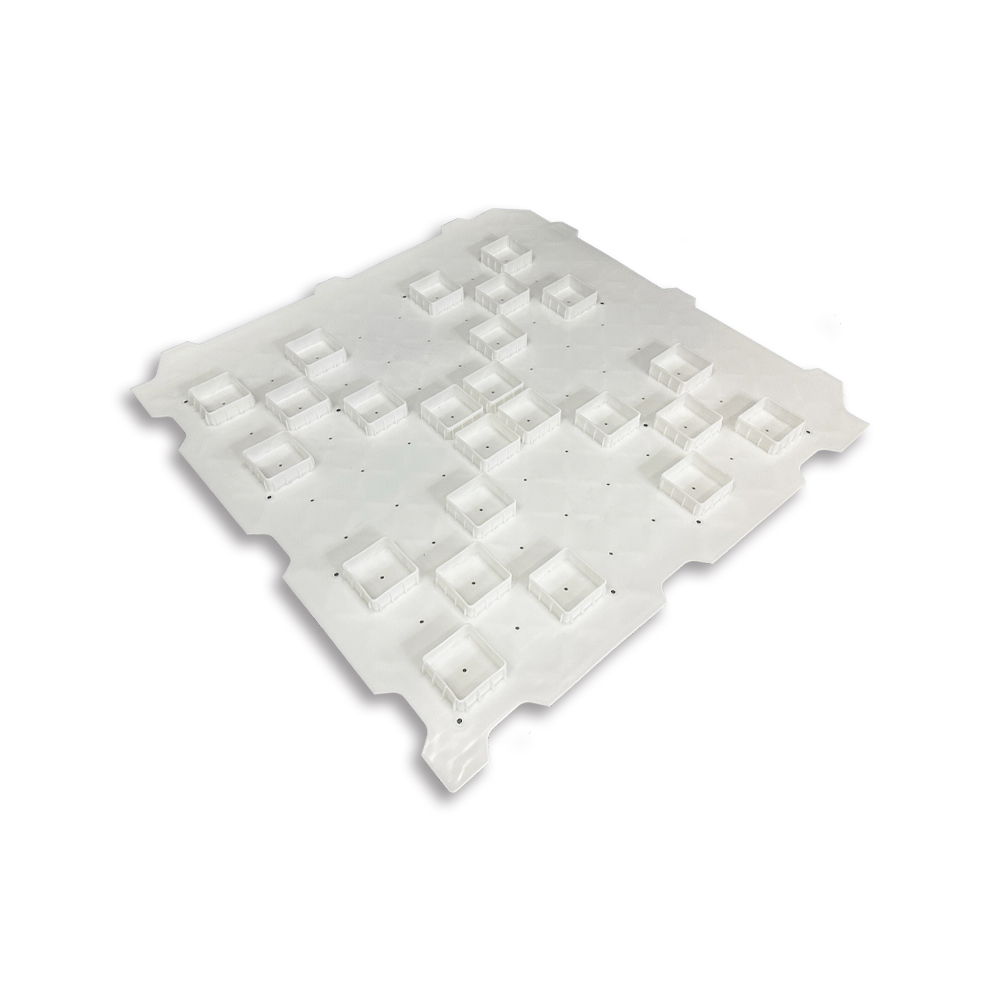
Between the Event and the Grass: How Ground Protection Mats Preserve Venue Surfaces Under Heavy Traffic A weekend music festival draws 30,000 attendees across a municipal park's manicured lawn. Without proper ground protection, the combination of h...
VIEW MORE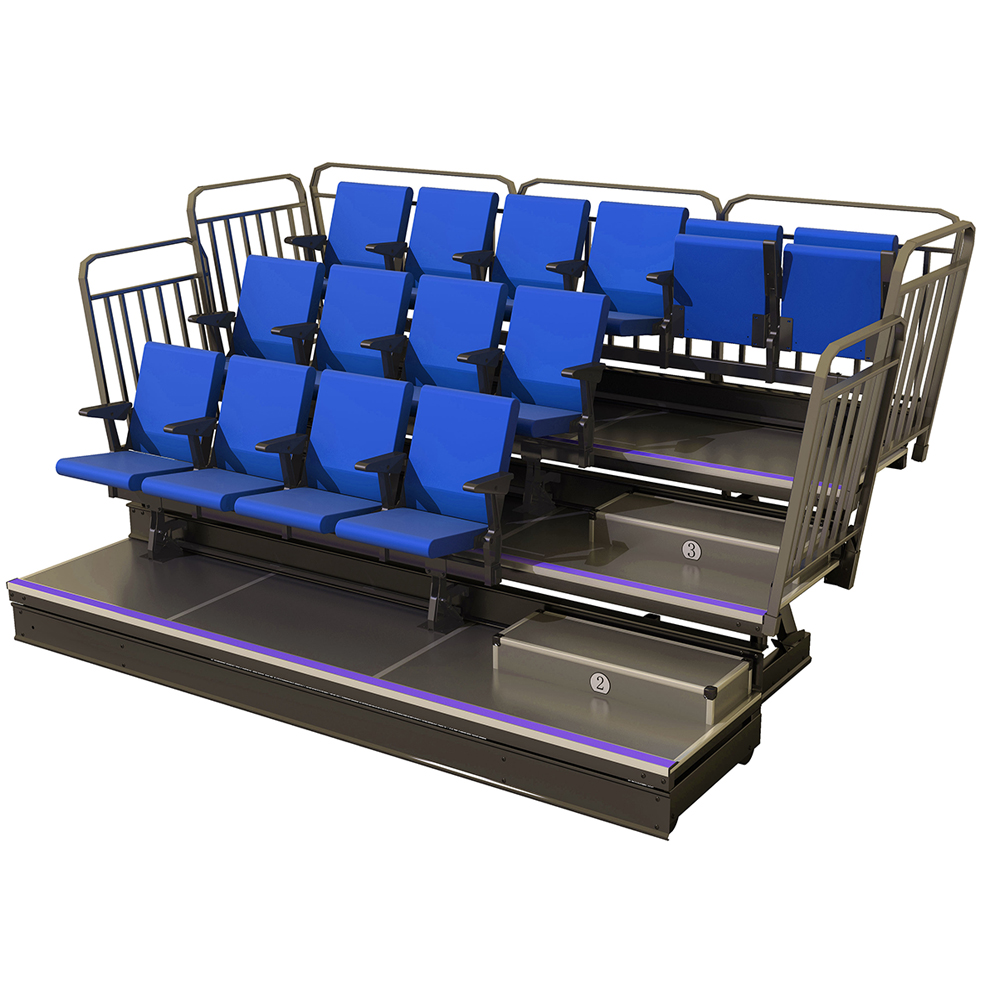
Selecting indoor sports facilities infrastructure requires balancing spectator safety, longevity, and capital expenditure. Procurement managers often face tight budgets, making installation labor costs a critical factor. Implementing efficiently en...
VIEW MORE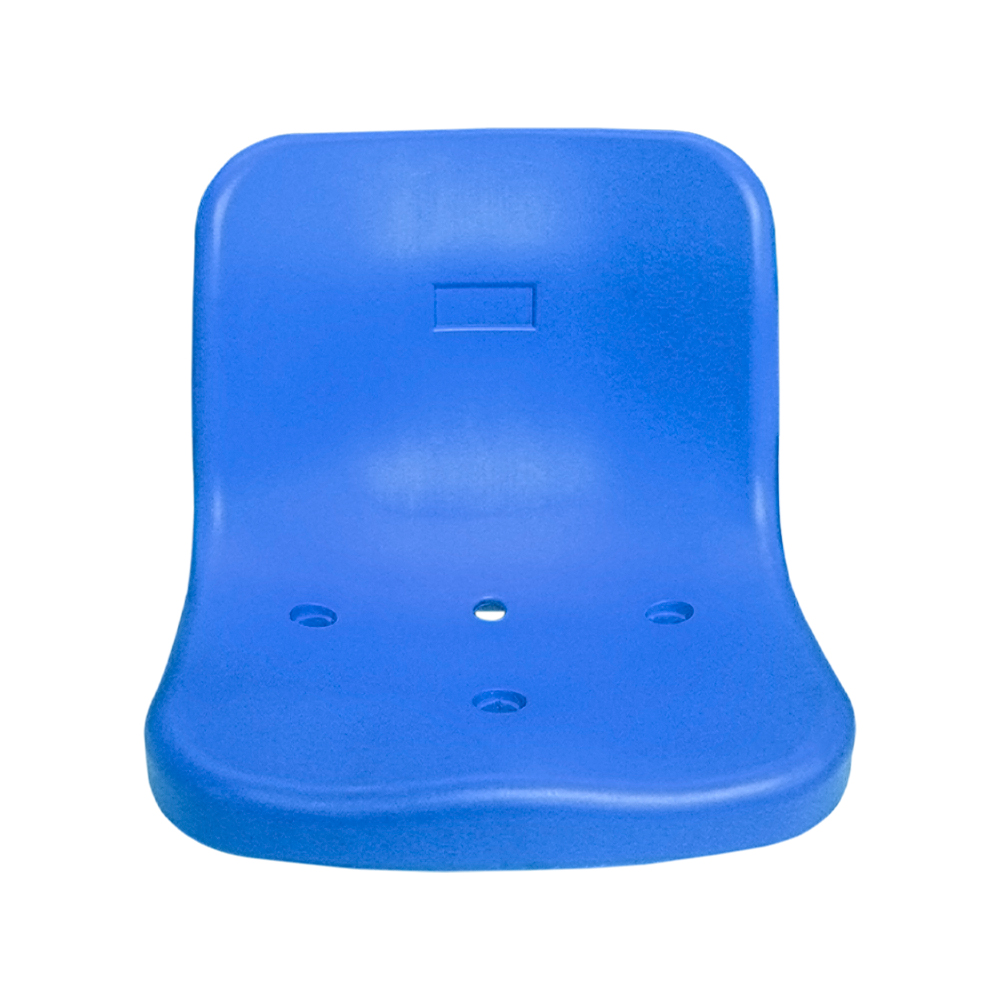
The Material Decision Behind Spectator Experience Stadium seats face punishing conditions: UV exposure across 2,000+ sunlight hours annually, temperature swings from freezing to 40°C, cleaning chemicals between events, and thousands of occupanc...
VIEW MORE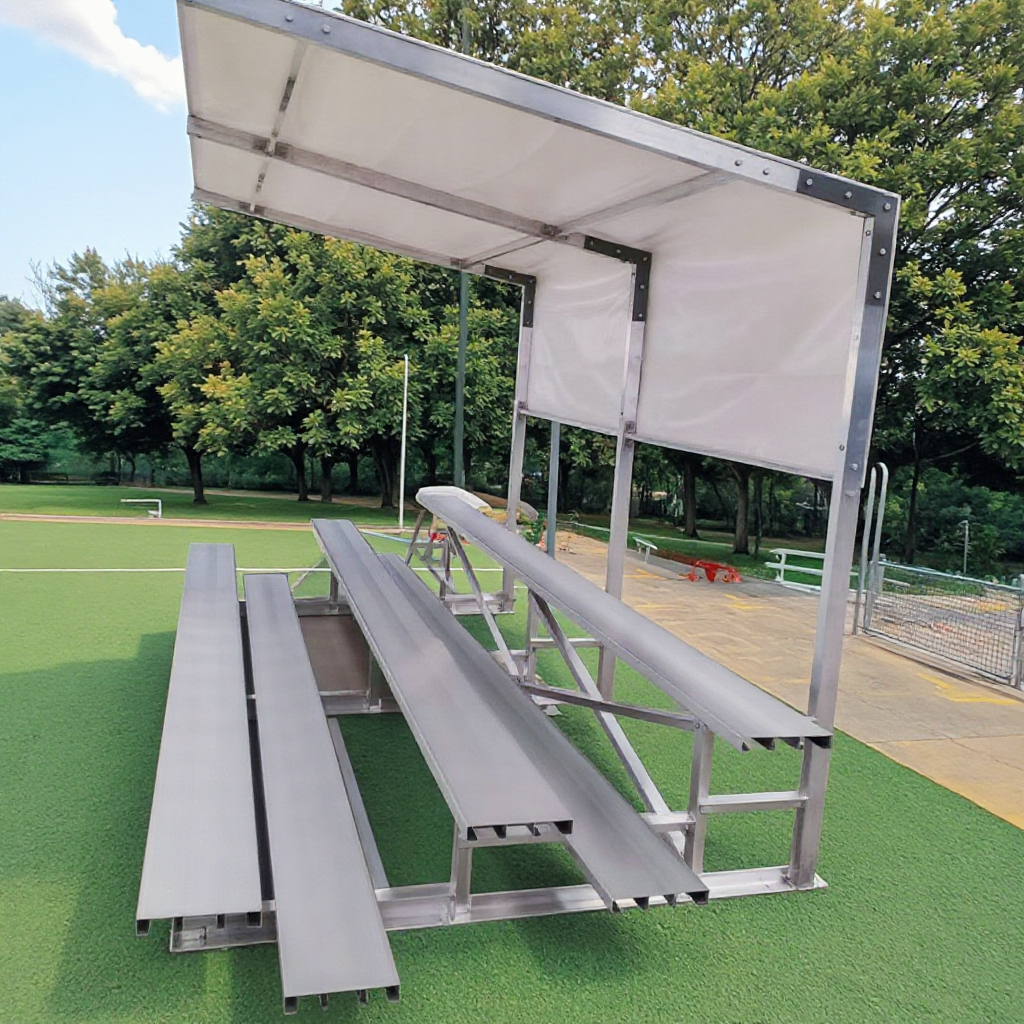
Why Safety Engineering Defines Bleacher Design Portable bleachers deploy for seasonal events and temporary capacity expansion, then relocate when venues return to baseline configuration. Portability introduces challenges absent from permanently anc...
VIEW MORE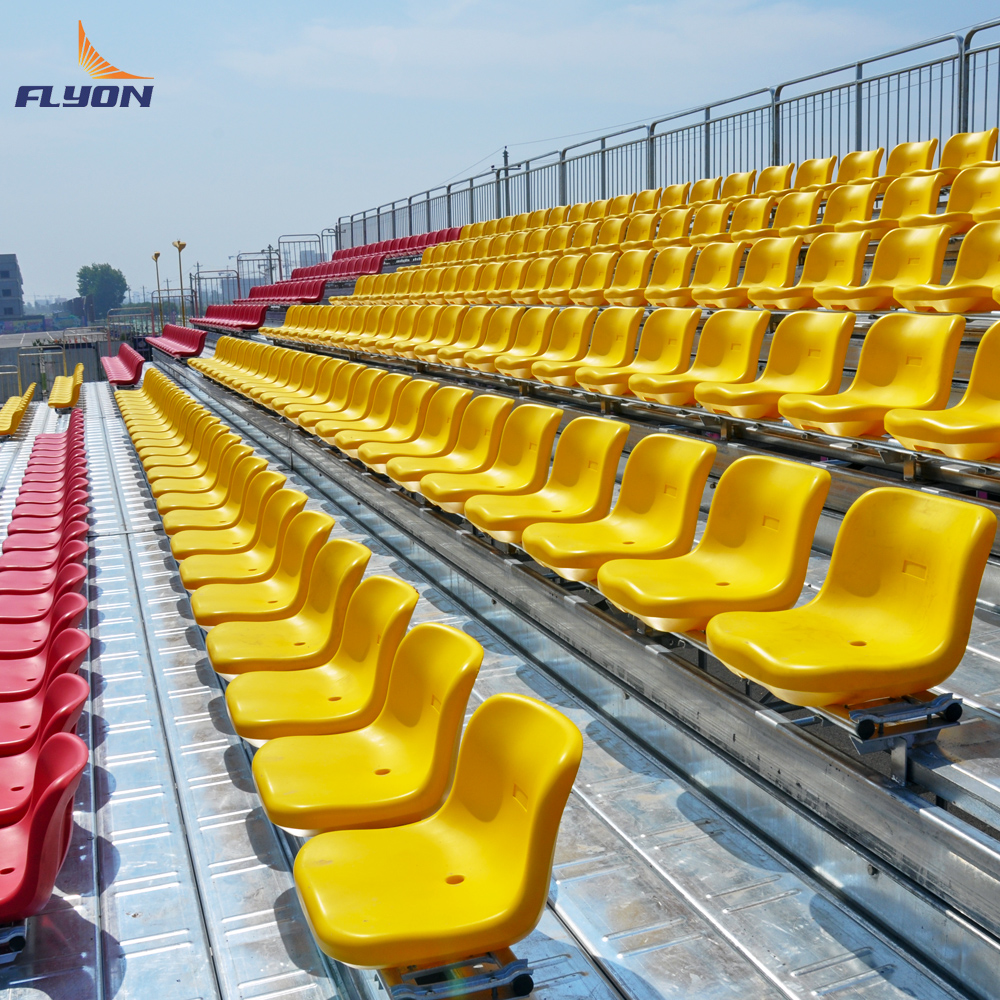
The Space Optimization Function of Retractable Seating Multi-purpose venues face an economic equation that fixed seating cannot solve. Basketball competition needs 3,000 seats courtside. A trade exhibition three weeks later needs flat floor with ze...
VIEW MORE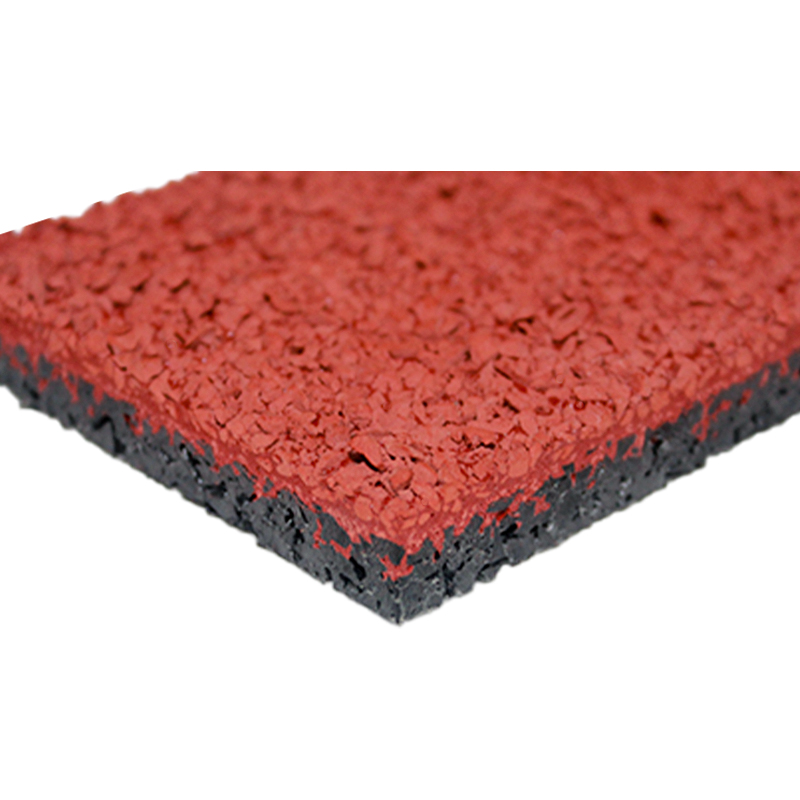
The Flexibility Challenge in Running Track Design Standardized 400-meter ovals serve international competition, but most venues requiring synthetic surfaces — school fields, community centers, training facilities — operate within spatia...
VIEW MORE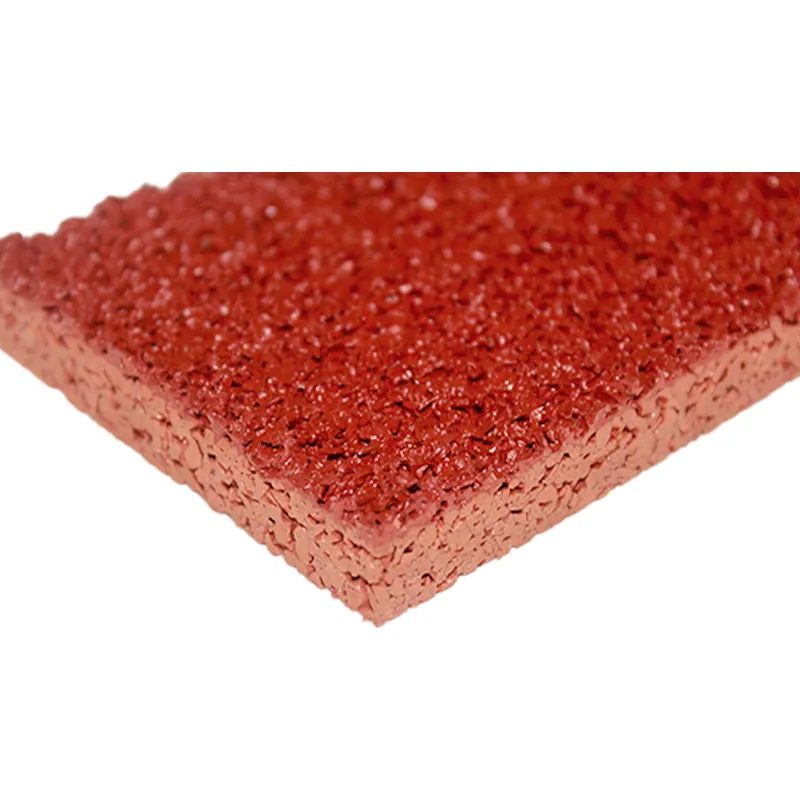
The Investment in Track Longevity A synthetic outdoor running track represents a capital investment of 200,000 to 500,000 for a typical facility. The surface is engineered to deliver consistent traction and shock absorption for 10 to 15 years &mdas...
VIEW MORE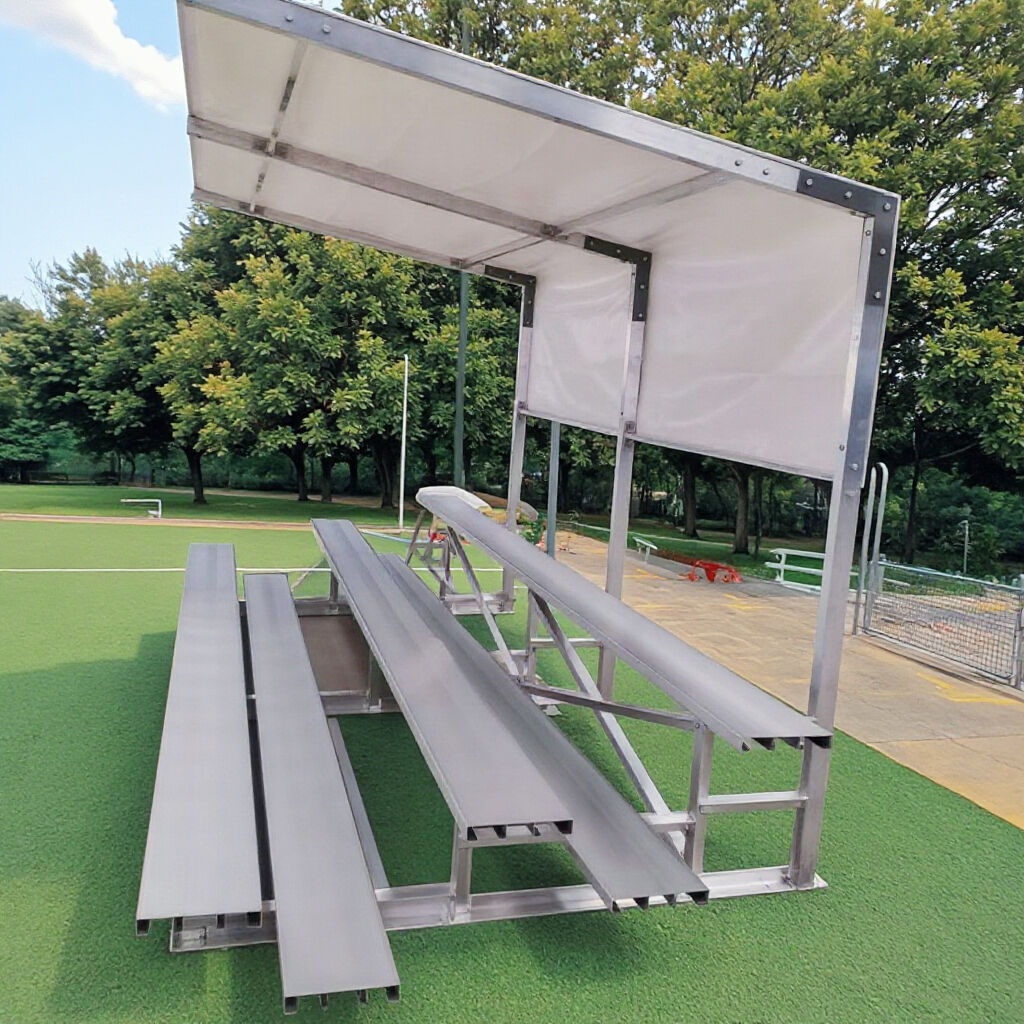
Why Aluminum Portable Bleachers Are the Practical Seating Choice Steel bleachers rust. Wood bleachers rot and require annual refinishing. Concrete bleachers are permanent — once poured, the field configuration cannot change. Aluminum portable...
VIEW MORE
How Stadium Seating Design Has Evolved A World Cup stadium in 1994 and one in 2026 share a common purpose — seating tens of thousands — but the stadium chairs installed in each represent entirely different eras of design. The ...
VIEW MORE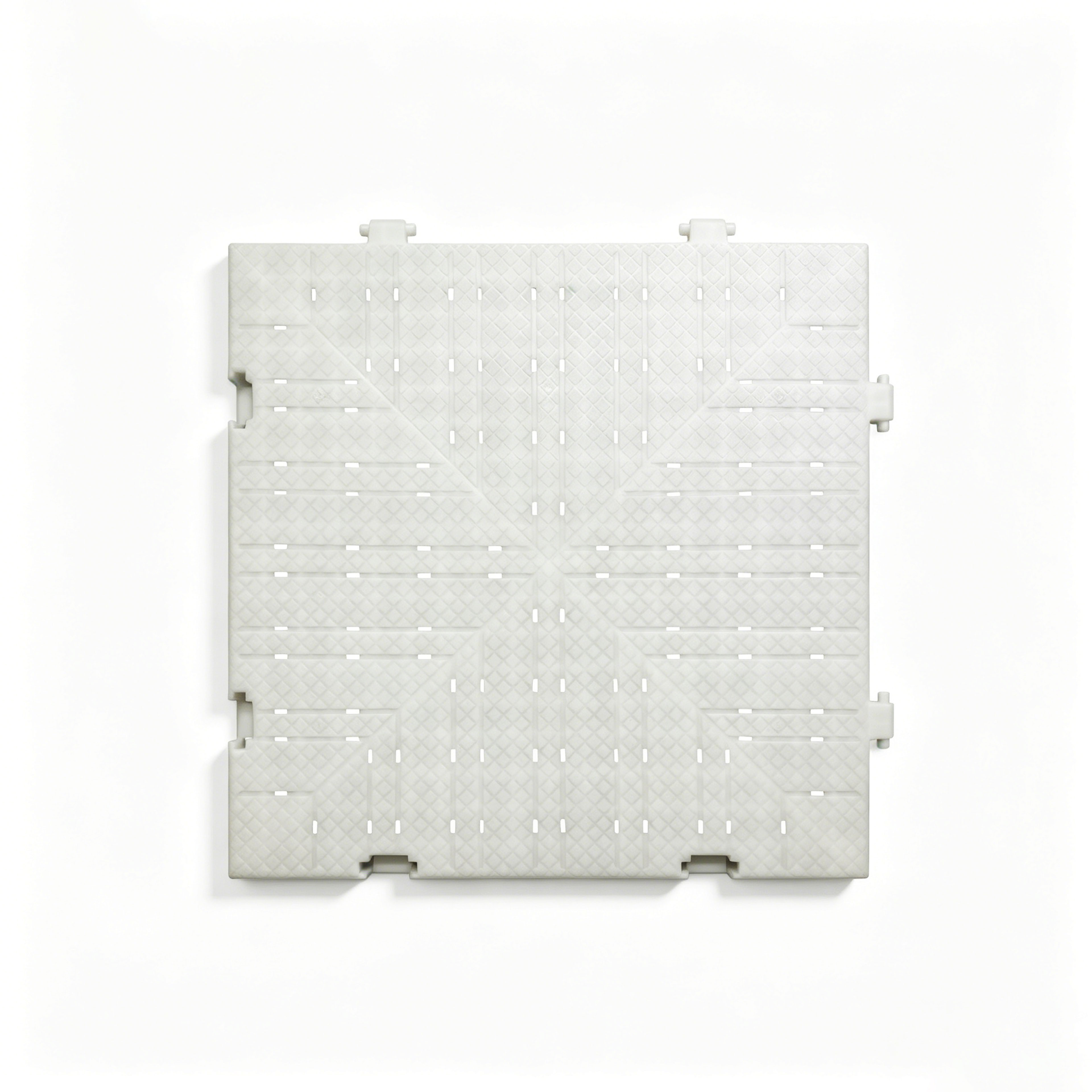
Why Running Track Cracks Demand Immediate Attention A hairline crack on a running track rarely stays hairline for long. Water seeps in, freezes, expands, and widens the gap. UV radiation degrades the exposed edges. Athletes' spikes catch the lip an...
VIEW MORE
Structural Engineering Principles and Material Science Load Distribution Dynamics and Structural Metal Integration Designing crowd containment structures that can adapt smoothly to different architectural layouts requires a deep understanding of stru...
VIEW MORE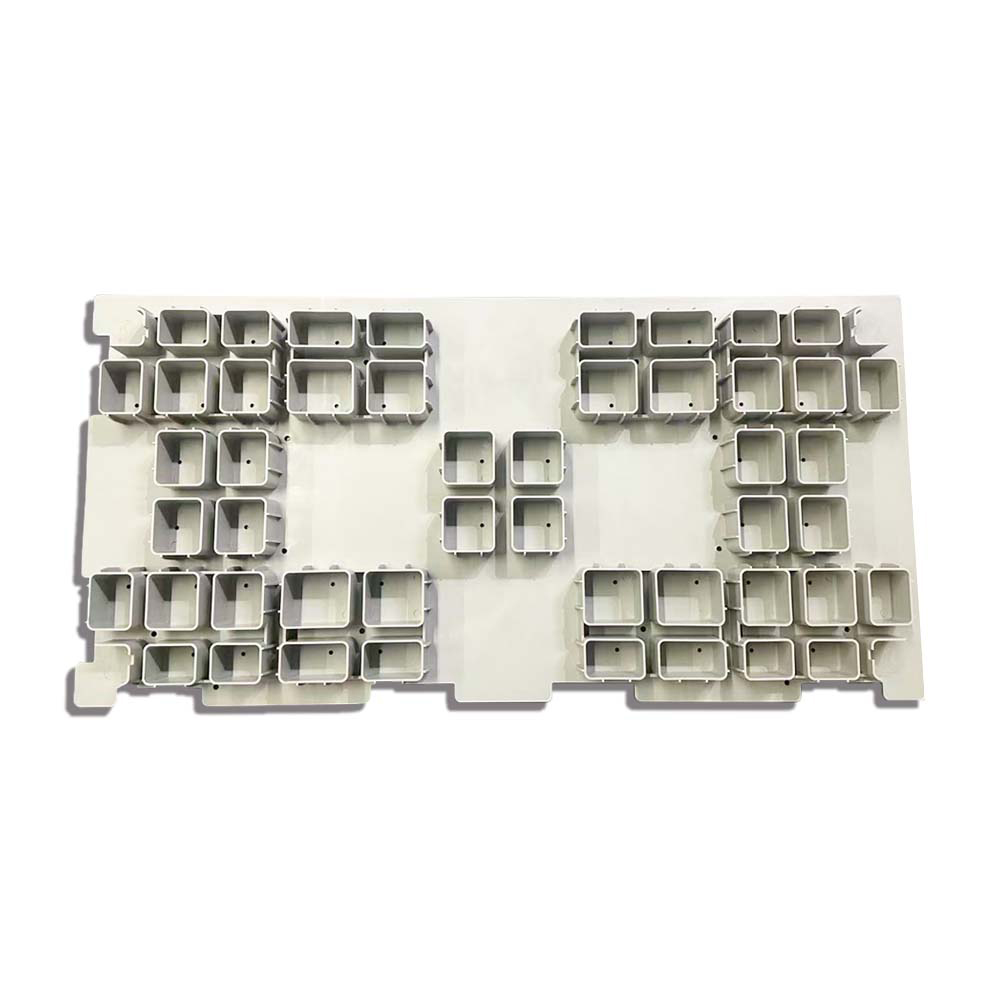
Why Lightweight Composite Mats Excel in Rapid Deployment LogisticsMaterial Science Advantage: High Strength-to-Weight Ratio and Modular Interlocking DesignLightweight composite mats leverage advanced material science—integrating high-strength fibers ...
VIEW MORE EN
 AR
 FR
 PT
 RU
 ES
 BG
 HR
 CS
 DA
 NL
 FI
 DE
 EL
 HI
 IT
 JA
 KO
 NO
 PL
 RO
 SV
 CA
 TL
 ID
 SR
 SK
 UK
 VI
 HU
 TH
 TR
 MS
 AZ
 KA
 BN
 LO
 MN
 MY
 UZ


 EN